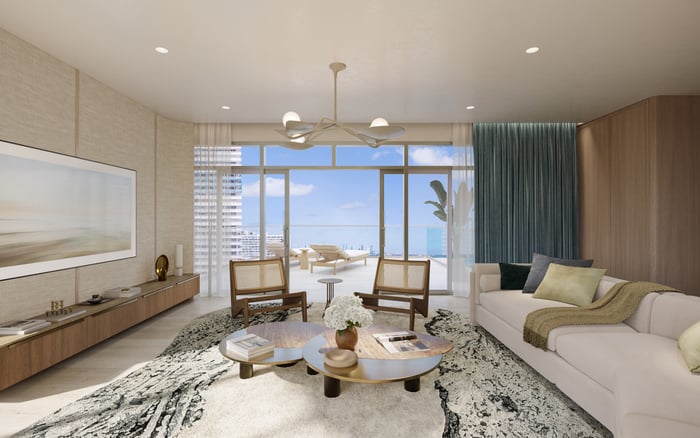
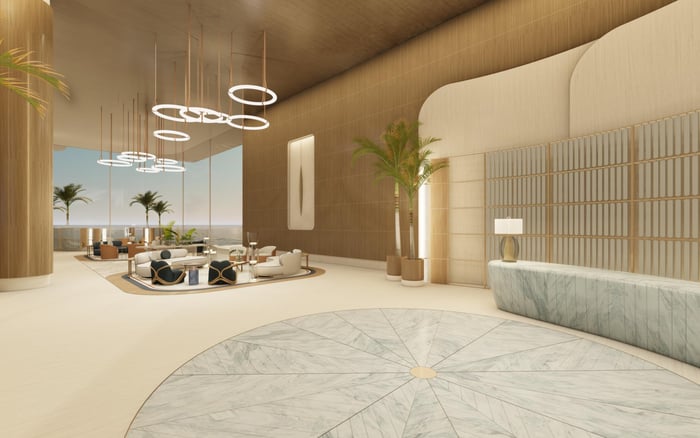
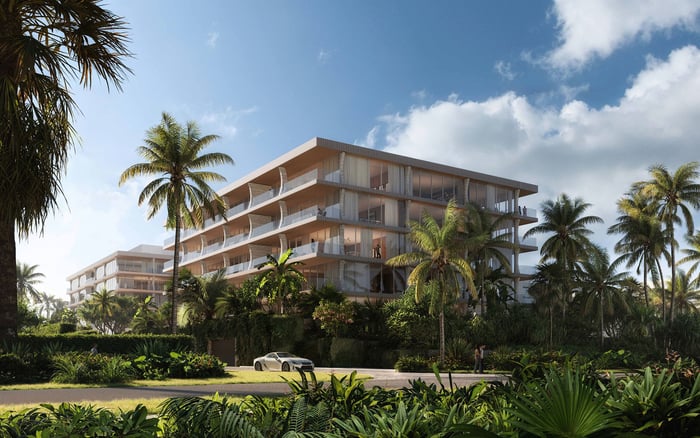
Seasonal ownership changes the way morning light should be judged. For South Florida buyers, sunrise is not only a view question, but a daily comfort, privacy, terrace, and resale-quality question.
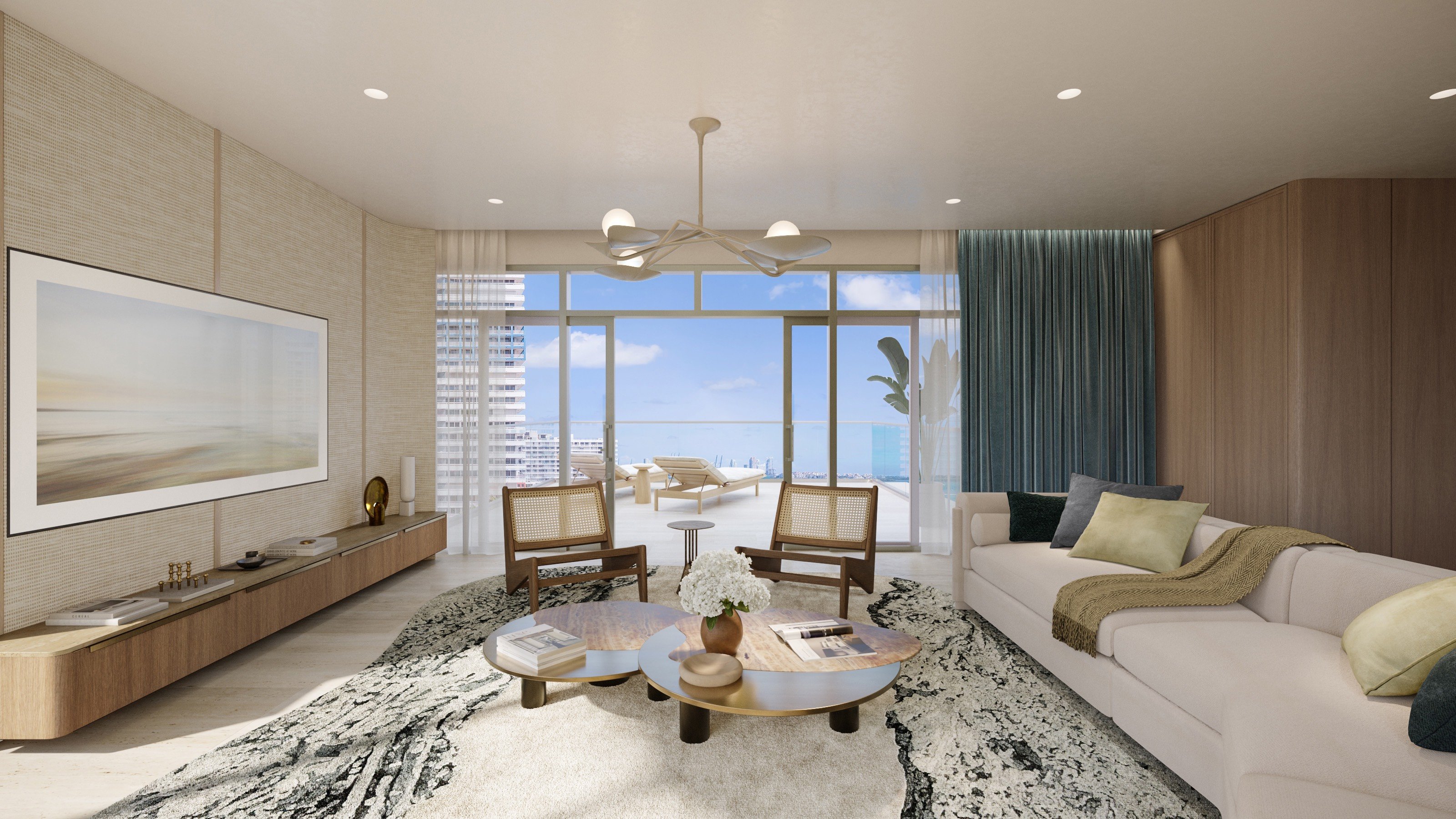
For a seasonal buyer, sunrise light is not merely the first photograph in a listing gallery. It is the hour that sets the tone for the residence. It shapes how the primary suite wakes, how the kitchen feels before the day begins, how a Balcony performs with coffee, and whether a Terrace functions as a true room or simply as a view platform.
The full-time buyer can learn a home gradually. They experience the light across workdays, weekends, storms, travel schedules, and ordinary routines. Seasonal buyers do not have that luxury. Their ownership window is more concentrated, more intentional, and often more emotionally charged. The home must deliver quickly. Morning light, therefore, deserves a sharper standard.
In South Florida’s upper tier, buyers often speak fluently about water, ceiling height, floor level, privacy, finishes, and service. Yet sunrise is too often reduced to a simple question: east-facing or not? That is not enough. A seasonal residence is lived in by rhythm. The better question is not whether the home receives sunrise, but whether that sunrise supports the way the owner actually uses the home during the months they are there.
Seasonal buyers tend to treat the residence as a reset. Mornings carry a disproportionate share of value because they are private, quiet, and repeatable. Before lunch reservations, yacht plans, school visits, club commitments, or family arrivals, the home has a brief opportunity to feel completely personal.
That is why sunrise quality should be evaluated room by room. A bedroom washed in early light can feel serene to one owner and too exposed to another. A breakfast area that glows beautifully may still be impractical if glare makes it uncomfortable. A living room with dramatic light may impress during a showing, yet fall short if the seating layout cannot absorb brightness with ease.
The seasonal buyer should also consider arrival psychology. A second home often has to perform immediately after travel. The first morning matters. If the residence feels harsh, dim, overly public, or disconnected from the view at daybreak, the ownership experience begins with friction. If it feels calm and legible, the home becomes restorative almost at once.
View and light are related, but they are not the same. A home can have a commanding view and still have difficult morning conditions. Another can have a more restrained outlook but beautifully usable light. The distinction is especially important in Oceanfront residences, where buyers may assume the most dramatic exposure is automatically the most livable one.
Light must be judged in layers. First is direction, which sets the broad pattern. Second is filtration, including overhangs, neighboring structures, balcony depth, glass specification, and interior materials. Third is use: how the owner occupies the home at the relevant hour. A sunrise that is dazzling from an empty living room may be less successful once that same room contains art, pale upholstery, a breakfast table, and guests who want to linger.
Privacy belongs in the same conversation. Morning routines are intimate. A residence that feels visually open at noon may feel exposed at sunrise, especially when bedrooms, baths, or terraces are part of the morning sequence. Seasonal buyers should ask not only what they can see, but what can see them.
Different South Florida settings create different sunrise questions. In Brickell, morning light may be filtered through the geometry of nearby towers, making the quality of light as important as the direction. Buyers should observe how reflections, setbacks, and neighboring glass affect the mood of the interiors.
In Aventura, the question may be how sunrise interacts with wider views, daily routines, and the movement between indoor space and outdoor amenities. A home can feel expansive in plan but still require careful study of which rooms receive the most useful early light.
For a buyer comparing a waterfront condominium with a more urban residence, the standard should not be identical. Waterview living often invites a more meditative morning, where the eye moves outward and the home feels connected to the horizon. Urban living can be more architectural, with light bouncing, framing, and shifting through built form. Neither is inherently better. The right answer depends on the buyer’s seasonal ritual.
A Terrace should never be judged only at cocktail hour. For many seasonal owners, the morning terrace is the true measure of livability. It is where coffee, reading, calls, stretching, and quiet conversation happen before the day becomes public.
The test is simple in concept but demanding in practice. Can the owner sit comfortably? Is the light pleasant or punishing? Does the railing preserve the view while seated? Is the outdoor furniture likely to be used in the morning, or is the space too exposed? Does the terrace feel connected to the kitchen, primary suite, or living room, or does it require an awkward path that discourages daily use?
The most successful sunrise terraces offer a sense of ceremony without inconvenience. They allow the owner to step outside instinctively. They do not require rearranging cushions, lowering shades, moving chairs, or avoiding glare. In luxury real estate, ease is a form of value.
Primary suites deserve their own sunrise analysis. Many buyers are drawn to bedrooms that open dramatically toward the morning, but drama is not always rest. The seasonal buyer should decide whether the bedroom is meant to energize, cocoon, or remain flexible.
Window treatment strategy matters, but it should not be used to excuse poor fit. If a room only works with shades fully closed, the buyer should recognize that they are purchasing the view more than the light. Conversely, if the room can hold soft morning brightness while preserving privacy and rest, it becomes a stronger seasonal asset.
Guest rooms require equal care. Visiting family and friends may keep different schedules. A room that delights an early riser may frustrate a late sleeper. In a residence intended for hosting, the best sunrise profile is not simply the brightest. It is the most manageable across different occupants.
The kitchen is where sunrise becomes practical. Stone, lacquer, metal, glass, and pale millwork all respond differently to morning brightness. A kitchen that photographs beautifully can still feel visually sharp when light hits reflective surfaces. The breakfast area adds another layer: the view may be exquisite, but the seating must remain comfortable.
Seasonal buyers should imagine the first hour of an ordinary morning. Where does coffee happen? Where is a phone placed? Where does a child sit? Where does a guest stand while conversation begins? These details reveal whether sunrise supports life or merely decorates it.
A well-oriented kitchen does not need constant adjustment. It feels awake but not overexposed, polished but not theatrical. That balance is particularly valuable in a seasonal home because routines are compressed. The owner wants the home to work immediately, without discovering its inconveniences by trial and error.
Height changes light, but it does not automatically improve it. Higher residences may feel more open, while lower residences may offer a more intimate relationship with landscape, water, or streetscape. The seasonal buyer should resist treating floor level as a substitute for light quality.
The better question is composure. Does the home feel calm at sunrise? Does the view hold together from the rooms where mornings actually occur? Does the light flatter the materials? Does the outdoor space feel usable? Does the residence remain private when the day begins?
This is where disciplined in-person evaluation matters. A buyer should avoid making sunrise judgments from afternoon showings alone. If morning use is central to the purchase, the home deserves to be seen or carefully evaluated through that lens.
The seasonal sunrise standard should be personal, but it should also be structured. Begin with the primary suite, kitchen, breakfast area, living room, and principal outdoor space. Ask how each performs during the first part of the day. Then consider privacy, glare, shade control, furniture placement, art placement, and the relationship between indoor and outdoor circulation.
Next, separate emotional impact from daily use. A spectacular first impression is valuable, but seasonal ownership rewards repetition. The same light should feel good on the tenth morning, not only the first.
Finally, think ahead to guests and resale. Future buyers may not share the same schedule, but they will understand a residence that handles morning light with elegance. A home that wakes beautifully, privately, and comfortably has a quiet advantage because it appeals to both feeling and function.
Why does sunrise matter more for seasonal buyers? Seasonal buyers use the home during concentrated periods, so the first hours of the day carry more lifestyle value and deserve greater precision.
Is east-facing always the best choice? Not necessarily. Direction matters, but privacy, glare, room layout, outdoor usability, and materials determine whether the light is truly livable.
How should I evaluate a Balcony for morning use? Sit down, not just stand at the railing. The best Balcony preserves comfort, privacy, and view quality from the position where you will actually use it.
What should I look for in an Oceanfront residence? Look beyond the drama of the view. Evaluate whether morning brightness supports the bedroom, kitchen, living room, and terrace without creating glare or exposure.
Does a Waterview home always have better sunrise light? A Waterview can create a calm morning atmosphere, but the interior still needs the right layout, shading, and privacy to make the light useful.
Should buyers tour in the morning? If sunrise is central to the purchase, a morning evaluation is highly valuable. Afternoon impressions rarely reveal the full daily rhythm of the home.
How does Brickell change the sunrise conversation? In Brickell, nearby architecture can filter, reflect, or frame light. Buyers should study not only exposure, but also how surrounding buildings affect the interior mood.
What is different about evaluating sunrise in Aventura? In Aventura, buyers should consider how morning light works with views, amenities, outdoor areas, and the practical flow of daily seasonal living.
Can window treatments solve poor sunrise conditions? They can improve comfort, but they should not be the entire solution. If shades must remain closed every morning, the light may not suit the intended lifestyle.
What is the best sunrise standard for a seasonal home? The best standard is repeatable comfort: light that feels beautiful, private, and easy in the rooms and outdoor spaces used at the start of the day.
When you're ready to tour or underwrite the options, connect with MILLION.
If branded residences are on your mind — as a home or as an allocation — we would be glad to share what we are seeing, privately.
Begin a quiet conversation