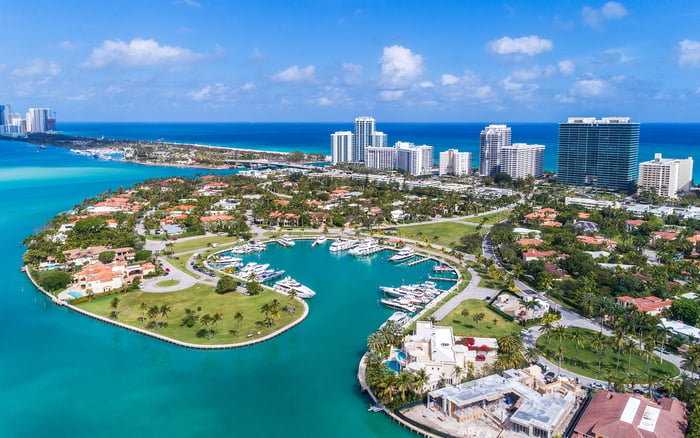
In Bal Harbour, the most consequential cost may be hidden in the building envelope rather than reflected in the asking price. Buyers should examine structural records, leak history, balcony waterproofing, coastal maintenance, reserves, and the precise language of window warranties before valuing a residence.
In Bal Harbour, a compelling asking price can matter less than the condition of the concrete, balcony edges, sealants, windows, roof details, and mechanical equipment surrounding a residence. Salt-laden air need not produce dramatic visible damage to affect value. Chlorides can penetrate concrete, reach reinforcing steel, and contribute to corrosion, spalling, delamination, and increasingly complex repairs.
That distinction is critical in a luxury condominium purchase. A renovated interior may be privately owned, while the source of moisture or deterioration may lie within a façade, slab edge, roof assembly, garage, or other common element. The buyer is therefore underwriting both the residence and the association’s ability to identify, fund, and complete coastal work.
This applies throughout Bal Harbour, including due diligence involving Oceana Bal Harbour and Rivage Bal Harbour. The relevant question is not whether a property presents beautifully, but whether the building’s records support the quality that presentation suggests.
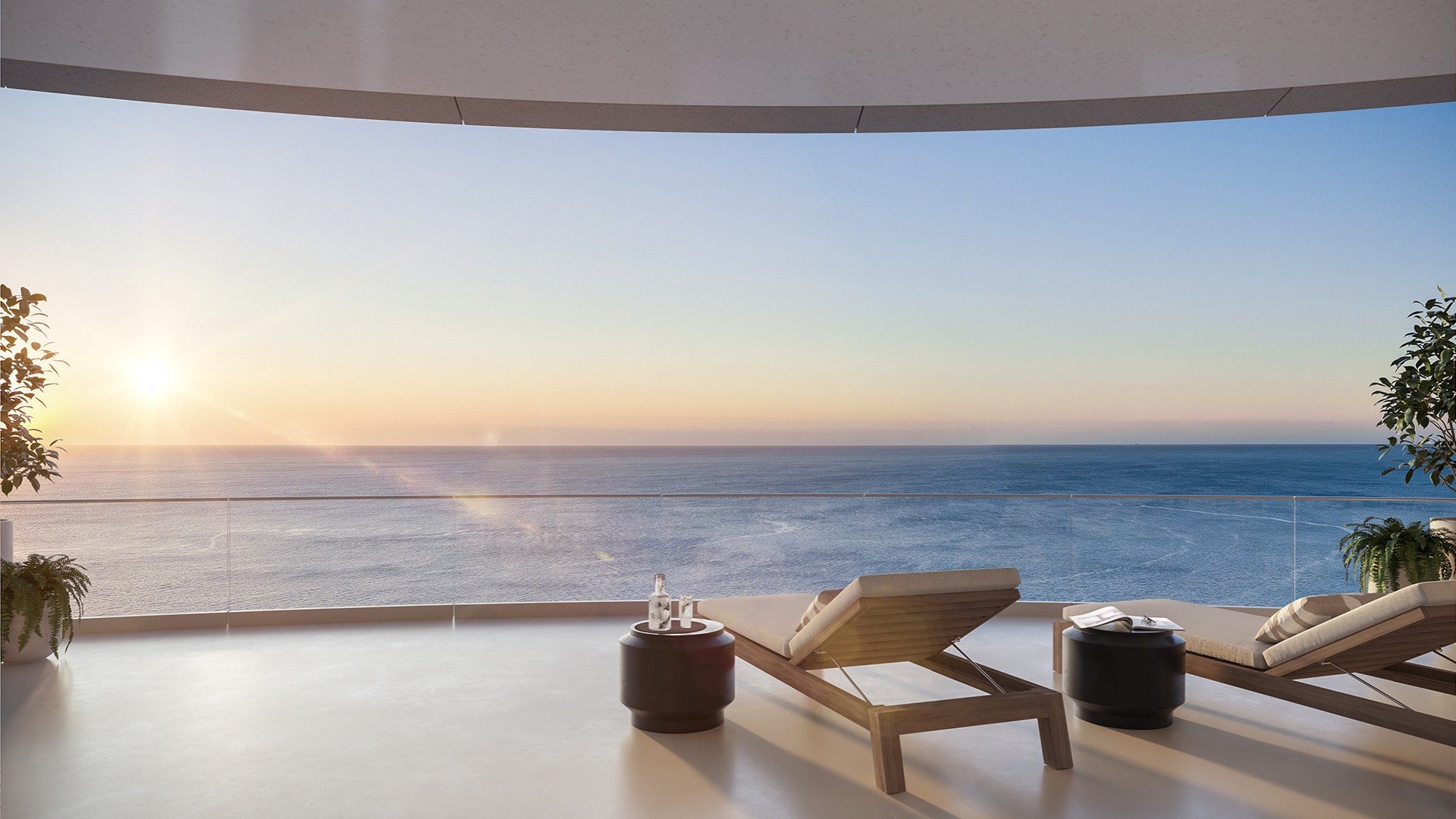
A balcony is more than an outdoor amenity. Its slab, edge, railing penetrations, drains, transitions, and waterproofing layers are directly exposed to moisture and salt. When waterproofing fails, water can migrate toward reinforcing steel, turning staining, cracked finishes, or loose material from a cosmetic issue into a structural repair.
A specialist should review evidence of ponding, patched surfaces, failed sealants, efflorescence, underside cracking, exposed metal, and prior concrete restoration. Buyers should also determine whether work was isolated to one stack or formed part of a broader repair program. Fresh paint can improve appearances without explaining the underlying moisture path.
Essential documents include the latest milestone inspection, structural engineering materials, reserve study, repair schedule, assessment history, and invoices. Balconies, façades, garages, roofs, and waterproofing assemblies warrant particular attention. Florida’s inspection and structural-reserve framework can make deferred deterioration more likely to require formal evaluation and funding rather than indefinite postponement.
A dry wall at inspection does not erase a building’s leak history. Water can travel behind finishes, move between common and private elements, and recur during wind-driven rain or under particular weather conditions. The consequences may include damaged finishes, mold allegations, mechanical problems, disputed responsibility, litigation, and buyer resistance at resale.
Publicly disclosed litigation involving the St. Regis Bal Harbour included allegations of flooding in parking areas, residences, and gyms, together with claimed cracking in concrete pillars and corrosion of steel supports. Materials in that dispute characterized the alleged intrusion as severe, widespread, and ongoing. The association also alleged structural and mechanical defects and invasive mold. These remain litigation claims, not final findings of liability.
In a separate Whitehall at Bal Harbour matter, a unit owner alleged failures to address the causes of water intrusion and to maintain, repair, or replace common elements. The broader lesson is practical: buyers should review board minutes, insurance claims, litigation disclosures, repair invoices, moisture findings, and evidence of recurring leaks-not merely the current condition of one apartment.
Both oceanfront and bayfront properties encounter salt, but direct Atlantic wind and spray generally place greater pressure on exterior railings, hardware, coatings, and mechanical equipment. Oceanfront buildings may require more frequent washdowns and greater reliance on coastal-grade materials. Exposure is not limited to concrete. Aluminum screen frames, fasteners, condenser fins, copper tubing, HVAC mounts, flashing, drip edges, and roof coping can all become maintenance points or water-entry paths.
The same discipline applies when comparing nearby coastal options such as The Surf Club Four Seasons Surfside or Eighty Seven Park Surfside. Waterfront prestige should be paired with a clear understanding of exposure, material specifications, cleaning cycles, and replacement planning.
“Impact windows” describes a performance category, not a promise that every coastal failure will be covered. Warranty definitions of salt-air exposure and coastal environments vary. Coverage may also differ among glass, aluminum, finishes, hardware, seals, and other components.
One standard limited warranty expressly excludes corrosion caused by a salt atmosphere. It also requires windows and doors to be washed with tap water at least every six months, along with supporting service invoices and public records when a claim is made. Certain parts receive only one year of coverage, while glass and specified finishes carry different terms. Other products may restrict coastal, high-rise, or High-Velocity Hurricane Zone installations unless the correct product and documentation are in place. Some premium offerings may include limited salt-corrosion coverage through a dedicated coastal addendum, but that addendum must be obtained and preserved.
Request the manufacturer, model, installation date, warranty, coastal addendum, transfer provisions, maintenance instructions, service history, and proof of compliant installation. An impact-window specialist should assess coatings, hardware, seals, corrosion, and whether current conditions remain eligible for coverage.
For an investment or resale purchase, a modest discount can be overwhelmed by structural work, reserve contributions, recurring coastal maintenance, or window replacement denied under an exclusion. Buyers should compare the concession with plausible building-level obligations, not only with recent interior sales.
The strongest offer strategy follows technical review. Engage a marine high-rise structural engineer or building-envelope consultant, coordinate the findings with condominium-document and insurance review, and clarify whether identified work is funded, scheduled, disputed, or merely discussed. In Bal Harbour, informed restraint is often the most luxurious form of confidence.
Why does salt air matter if no corrosion is visible? Chlorides can penetrate concrete and affect reinforcing steel before extensive exterior damage becomes obvious.
Is balcony staining necessarily a structural defect? Not always, but it can indicate failed waterproofing or moisture migration and deserves specialist review.
Which association records are most important? Request milestone inspections, engineering materials, reserve studies, repair schedules, assessment history, board minutes, and invoices.
Can a unit inspection reveal every leak? No. Some leaks are intermittent, concealed, weather-dependent, or rooted in common elements beyond the residence.
Why review litigation disclosures? They may reveal recurring intrusion, disputed maintenance responsibility, claimed defects, and potential effects on cost or marketability.
Are bayfront buildings protected from salt exposure? No. They still face marine conditions, although direct Atlantic wind and spray generally create greater oceanfront exposure.
Does an impact-window label guarantee corrosion coverage? No. Many warranties emphasize manufacturing defects while limiting or excluding environmental or salt-air corrosion.
What window documents should transfer at closing? Obtain the exact warranty, coastal addendum, product details, installation records, transfer terms, maintenance instructions, and service invoices.
Can regular washing affect a warranty claim? Yes. Some terms impose periodic washing and documentation duties, making maintenance records materially important.
How should a buyer evaluate an asking-price concession? Compare it with potential assessments, reserve needs, envelope repairs, recurring maintenance, and uncovered window replacement.
For a confidential assessment and a building-by-building shortlist, connect with MILLION.
If branded residences are on your mind — as a home or as an allocation — we would be glad to share what we are seeing, privately.
Begin a quiet conversation