For serious Bay Harbor Islands buyers, school planning, recurring travel, security procedures, and daily convenience may prove more consequential than changeable interior finishes.
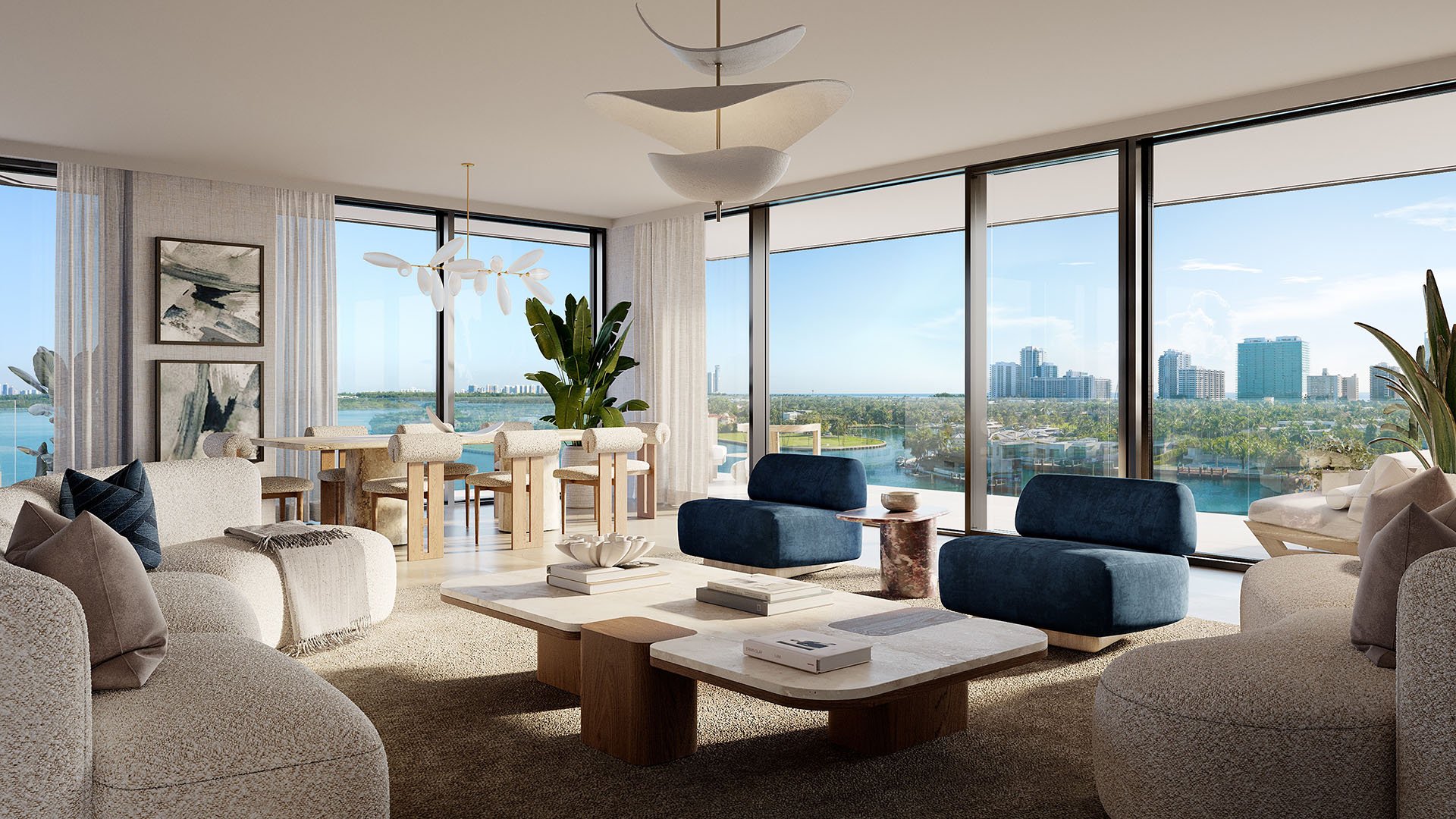
Stone, millwork, and appliance packages are immediately legible during a property tour. The deeper value of a Bay Harbor Islands residence may emerge through the way a household moves each day. For a serious buyer, school planning, recurring commutes, security procedures, and access to frequently used destinations can be more consequential than decorative details.
This is not an argument against exceptional interiors. It is a reminder that many finishes can be altered, while location and daily travel patterns are less flexible. A disciplined acquisition process therefore looks beyond presentation and asks whether an address supports the household’s actual calendar, responsibilities, and privacy expectations.
A private-school decision should be treated as a separate due-diligence track rather than a secondary benefit attached to a property search. Buyers should identify the schools under consideration, confirm current admissions and transportation information directly, and test the practical journey from each potential residence.
The relevant question is not simply whether a school appears nearby. Families should consider departure times, pickup responsibilities, after-school activities, schedule changes, and how those journeys interact with work and other commitments.
School assumptions should be verified before they influence a purchase. A residence with impressive finishes may be a weaker fit if the associated routine creates avoidable friction throughout the week.
Commute quality is more than the distance between home and work. For many households, it includes school, activities, appointments, shopping, dining, worship, and social commitments. A residence can be visually compelling yet poorly matched to the order in which those journeys occur.
Buyers considering Alana Bay Harbor Islands or The Well Bay Harbor Islands can map a typical week before comparing interiors. The useful comparison is not merely one residence against another, but one daily operating model against another.
Testing routes at relevant times can help reveal whether a schedule feels manageable. Buyers should evaluate the full sequence of recurring trips rather than relying on a single drive or an abstract estimate.
Security can feel reassuring during a showing, but serious review requires more than atmosphere. Buyers should distinguish the wider neighborhood context from the procedures and physical provisions of the property under consideration.
Access control, visitor handling, deliveries, parking, staffing, and emergency procedures belong in property-specific due diligence. These details should be confirmed directly rather than inferred from design, finishes, or market positioning.
Privacy and controlled access are lived experiences. Their importance may vary depending on children, guests, household staff, travel patterns, and personal preferences, so each buyer should define acceptable standards before touring.
Neighborhood convenience becomes meaningful through repetition. Buyers can list the destinations they expect to use each week, then assess how naturally each residence fits that pattern. The objective is not to select a property by proximity alone, but to understand whether its setting supports the preferred version of daily life.
When comparing Bay Harbor Towers with Onda Bay Harbor, buyers can apply the same calendar-based test. Each option should be considered in relation to school plans, recurring journeys, security expectations, and frequently used destinations.
This approach keeps the evaluation focused on personal fit without assuming that one routine works for every household.
A disciplined buyer can separate criteria into three levels. First are fixed location considerations, including school geography and access to recurring destinations. Second are property operations, such as entry procedures, parking, deliveries, and the practical experience of arriving and leaving. Third are interiors, where materials, fixtures, and decorative choices may be more readily changed.
This hierarchy prevents a dramatic kitchen or terrace from eclipsing less photogenic realities. It also clarifies trade-offs: one residence may lead on visual impact, while another may better support household movement and privacy expectations.
The most durable definition of luxury includes what a household experiences on an ordinary weekday, not only what a buyer sees during the first visit.
Why can school planning matter more than finishes? School routines can shape a household’s calendar for years, while many finishes can be changed after purchase.
How should buyers evaluate private-school access? They should confirm current information directly and test the practical journey from each residence under consideration.
What does commute rhythm mean? It is the combined pattern of recurring household journeys rather than a single home-to-work trip.
Which recurring trips should buyers map? Buyers can consider school, work, activities, appointments, shopping, dining, worship, and social commitments relevant to their household.
Should routes be tested before a purchase? Yes. Testing important routes at relevant times can provide a clearer view of the household’s likely routine.
How should buyers assess security? They should review both the neighborhood context and the property’s specific access and operating procedures.
Which property procedures deserve review? Access control, visitor handling, deliveries, parking, staffing, and emergency procedures may all warrant direct confirmation.
Why is neighborhood convenience important? Frequently repeated journeys can influence daily satisfaction more than features used only occasionally.
How can buyers compare Bay Harbor Islands residences consistently? They can apply the same hierarchy of school planning, commute rhythm, security, convenience, property operations, and interiors to every option.
Where should finishes rank in the final decision? Finishes remain important, but buyers may reasonably prioritize fixed location factors and daily operating needs first.
To compare the best-fit options with clarity, connect with MILLION.
If branded residences are on your mind — as a home or as an allocation — we would be glad to share what we are seeing, privately.
Begin a quiet conversation