Formula 1 Miami reveals a useful distinction for luxury buyers: regional event demand is broad, but the most restrictive road controls are concentrated around Hard Rock Stadium. Privacy-minded purchasers should evaluate access routes, building operations, hotel exposure and arrival sequences at the address level.
For a luxury buyer, Formula 1 Miami matters not simply because a major international event arrives each year, but because the weekend reveals how an address performs when roads, hotels, restaurants and transportation services face unusual pressure.
The race is staged at the Miami International Autodrome around Hard Rock Stadium in Miami Gardens. Its most intensive traffic controls have therefore been concentrated in northern Miami-Dade, not across the entire coastal luxury corridor. That distinction matters. A buyer who values residential privacy need not avoid Miami during race weekend, but should understand the routes and operating model associated with a particular residence.
Recurring pressure points have included Florida’s Turnpike Exit 2X, NW 199th Street, NW 27th Avenue and NW 14th Court. In recent event years, restrictions have extended from Thursday through Sunday, with Exit 2X ramps unavailable for prolonged periods and selected surface roads closed during evening windows.
Hard closures and broader hospitality demand are distinct phenomena. Downtown Miami, Brickell, Miami Beach, Surfside, Bal Harbour and Sunny Isles Beach have not appeared within the documented stadium-area hard-closure grid. Yet residences in these districts can still feel the event through busier restaurants, fuller hotels, increased ride-share activity and greater demand for private transportation.
This is why straight-line distance from the circuit is an incomplete measure of privacy. A coastal home may be far from the controlled streets yet share its porte cochère, lobby circulation or valet operation with transient guests. Conversely, a dedicated residential building with disciplined access may provide a more composed arrival, even in a highly active district.
In Brickell, buyers comparing The Residences at 1428 Brickell with other urban options should examine how residential arrivals function during peak demand. In Miami Beach, The Perigon Miami Beach warrants the same operational scrutiny: not merely its location, but the entire sequence from street to residence.
For privacy-sensitive buyers, the most revealing due diligence often begins outside the unit. The essential questions concern access control, transient occupancy, any hotel component, valet configuration, service entrances, guest processing and the number of viable routes to the property.
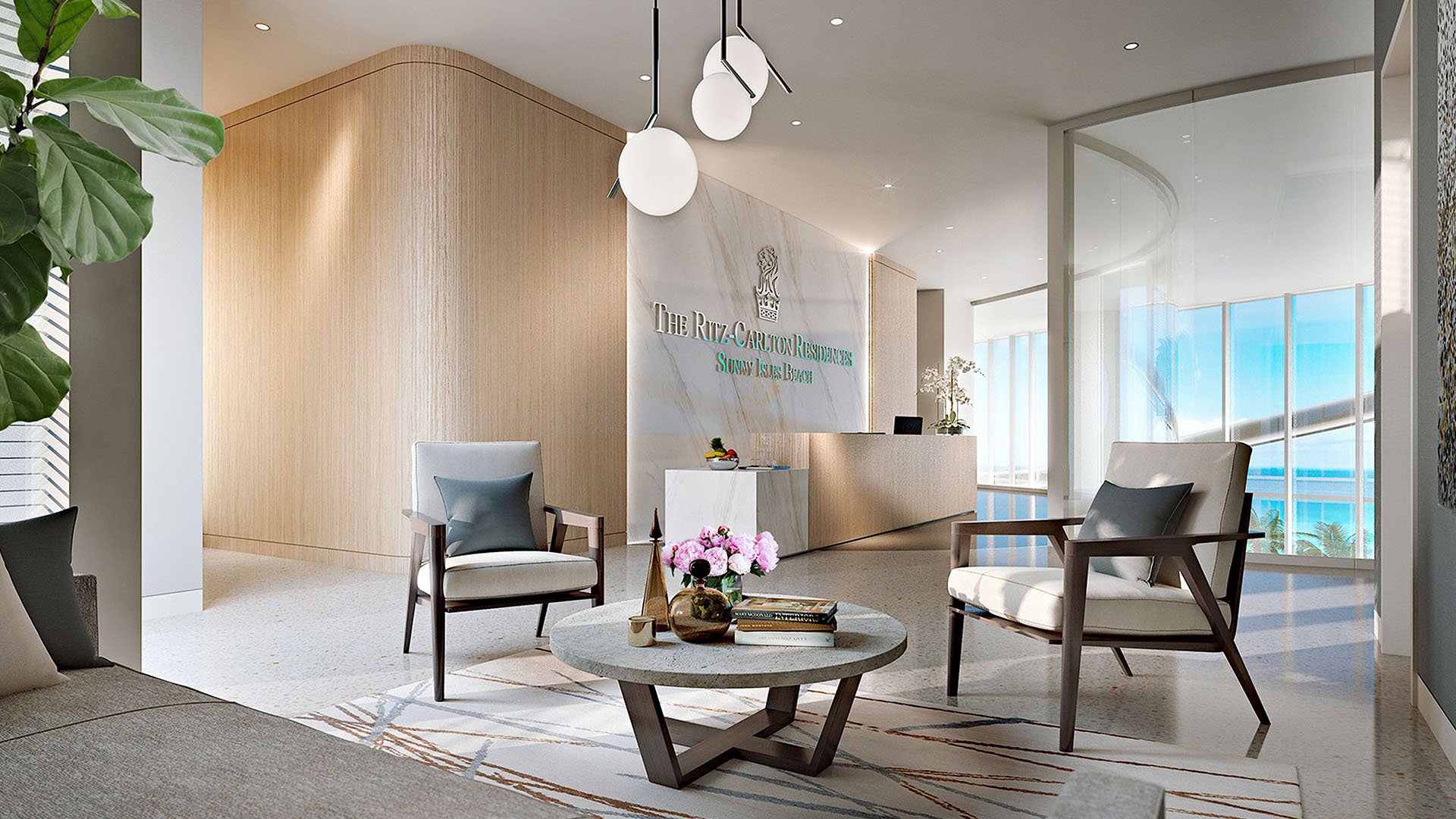
A polished lobby cannot compensate for a single congested driveway. Buyers should observe whether resident and visitor movements converge, whether a chauffeur can wait discreetly, and whether deliveries or ride-share vehicles can obstruct the principal entrance. These considerations belong in any serious Buyer's Guides analysis because privacy is operational, not decorative.
This framework applies equally to branded and hospitality-associated residences. The question is not whether a property carries a hotel name, but whether owners, guests, staff and visitors move through clearly managed channels. The appropriate test is building-specific and should be repeated at the busiest available hour.
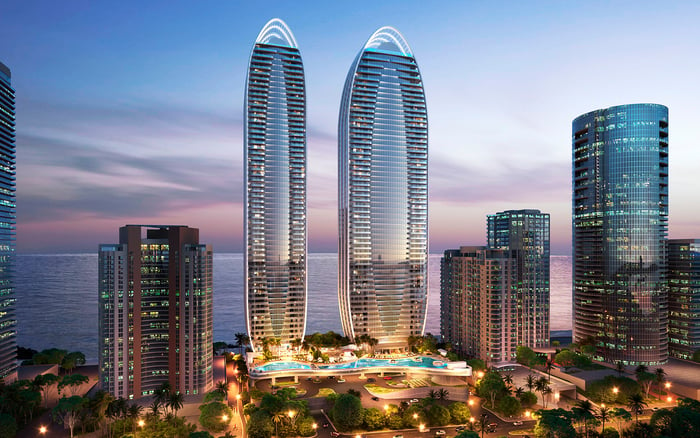
For buyers drawn to Sunny Isles Beach, Bentley Residences Sunny Isles offers a relevant point of comparison in a coastal market outside the stadium closure grid. In Surfside, The Delmore Surfside can likewise be assessed for the practical separation between a private home and the region’s event-weekend lifestyle activity.
A meaningful access review should follow actual routines rather than generic mapping estimates. Buyers who rely on chauffeurs or private cars should test journeys to airports, Broward County and Palm Beach County, particularly when a route could depend on Exit 2X or the affected section of NW 199th Street.
When those Turnpike ramps close, traffic is redirected to other interchanges and surface roads, creating potential cut-through pressure in residential areas near the stadium. Properties with practical access to I-95 or routes that bypass the stadium zone may experience less race-specific friction than homes dependent on the NW 199th Street interchange.
The exercise should include a primary route, a credible alternative and an arrival plan for guests. Buyers should also determine whether household staff, security teams and service providers can reach the residence without relying on the same constrained approach. Privacy can erode quickly when an otherwise discreet schedule depends on a single road.
Traffic advisories issued before race weekend allow owners to arrange airport transfers, errands and time away around announced restrictions. Exact closure hours and lane controls change by year and by day, so the previous season’s plan should never be treated as current.
The larger lesson is precision. F1 does not place all of South Florida under the same traffic conditions. It creates an intense, recurring access pattern around Hard Rock Stadium while generating a broader layer of hospitality demand across the region. A discerning purchase is therefore guided by route resilience, controlled access and the character of daily building operations.
Where is the Formula 1 Miami race staged? It is staged at the Miami International Autodrome around Hard Rock Stadium in Miami Gardens.
Which roads face the most recurring restrictions? The principal pressure points include Turnpike Exit 2X, NW 199th Street, NW 27th Avenue and NW 14th Court.
Is Brickell inside the stadium hard-closure grid? No. Brickell is not within the documented stadium-area grid.
Is Miami Beach unaffected by race weekend? It sits outside the documented hard-closure grid, but hospitality and transportation demand can still rise elsewhere in the region.
What should a privacy-focused buyer inspect first? Begin with access controls, valet flow, guest processing, transient occupancy and backup driving routes.
Why does Exit 2X matter to buyers? Its closure can remove the nearest Turnpike access and divert vehicles to other interchanges and surface streets.
Can coastal residences still encounter hotel traffic? Yes. Being outside the stadium closure zone does not eliminate busier hotels, restaurants or ride-share activity.
Should a chauffeur test routes before purchase? Yes. Test routine trips to airports, Broward and Palm Beach using both primary and alternate routes.
Do closure schedules remain the same each year? No. Timing and lane restrictions vary, so owners should verify the current race-weekend advisory.
What is the central buying takeaway? Evaluate the specific address, arrival sequence and route network rather than treating all of Miami as equally affected.
For a discreet conversation and a curated building-by-building shortlist, connect with MILLION.
If branded residences are on your mind — as a home or as an allocation — we would be glad to share what we are seeing, privately.
Begin a quiet conversation