For Greenwich buyers evaluating a Miami residence, Edgewater presents a compelling ownership thesis built around discretion, service, and operational simplicity. The strongest decision is not based on amenity volume alone, but on how well a residence supports effortless arrivals, privacy, household routines, and long absences.

For a Greenwich buyer considering a Miami residence, the central question is rarely whether a property feels luxurious during a presentation. It is whether ownership will remain composed on an ordinary Tuesday, during a late arrival, or after the home has stood unoccupied for several weeks.
That distinction helps explain Edgewater’s appeal. The neighborhood can be evaluated not simply as a place to acquire square footage, but as a setting for a more edited form of Miami ownership. Service, privacy, and ease become the defining criteria. The ideal residence should reduce the instructions, handoffs, and follow-ups required of the owner.
This is particularly relevant to a second-home purchase. A residence used selectively must function equally well when occupied and empty. Arrival readiness, household oversight, guest protocols, and responsive management matter as much as finishes. The most persuasive proposition is a home that feels prepared without feeling publicly managed.
Service is most valuable when it is consistent, discreet, and aligned with the household’s habits. Buyers should look beyond an extensive amenity menu to examine who handles requests, how responsibilities are divided, and what happens outside conventional hours. A polished lobby experience is not the same as comprehensive residential support.
The comparison should begin with actual use cases. Can the team prepare the residence before an arrival? How are deliveries received and transferred? What is the process for admitting family, staff, or vendors? Who coordinates maintenance inside the residence, and how is the owner kept informed?
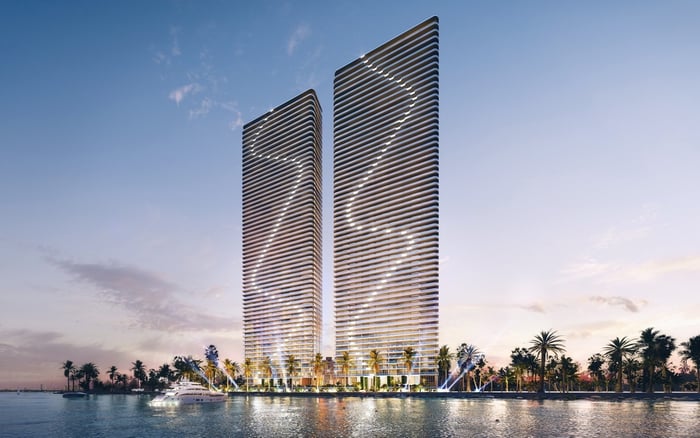
Projects such as EDITION Edgewater may enter the conversation for buyers exploring a hospitality-oriented residential identity. Yet the brand or concept should begin the diligence process, not conclude it. Branded residences deserve the same scrutiny as any other property: buyers should understand precisely which services are included, which carry separate charges, and which depend on availability.
Privacy is not created by the language of exclusivity alone. It is shaped by the route from vehicle to residence, the visibility of amenity spaces, elevator arrangements, guest access, package handling, and the separation of residents from service activity. Buyers should study movement through the property as carefully as the floor plan.
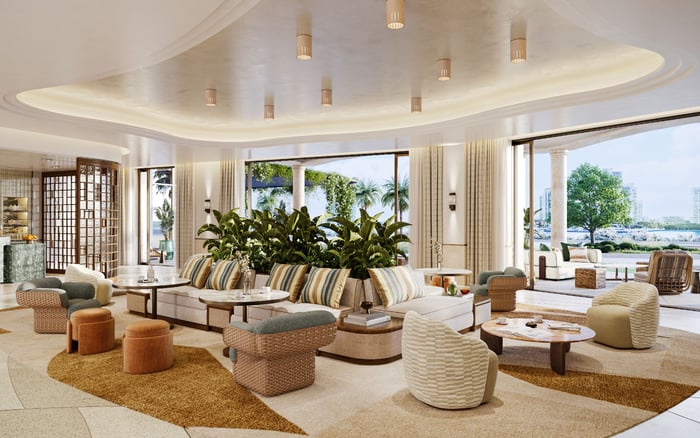
A private residence also requires interior discretion. Bedroom placement, acoustic separation, the exposure between entertaining and family areas, and the relationship between service spaces and principal rooms all influence how comfortably a household can operate. These details become especially important when owners host guests or travel with family and staff.
When reviewing Aria Reserve Miami, the more useful exercise is to map a complete arrival rather than focus solely on the first visual impression. Repeat the test at different times and across different household scenarios. Privacy should remain intact when the property is busy, not only when the sales environment is controlled.
“No-frictions” does not mean responsibility-free. It means predictable responsibilities are absorbed by clear systems, capable personnel, and transparent communication. Buyers should request precise explanations of property management, residence care, emergency procedures, billing, access permissions, and vendor coordination.
This is where new-construction decisions require particular care. Renderings can convey atmosphere, but operational quality must be evaluated through documents, proposed staffing, budgets, management structure, and the practical promises contained in purchase materials. Counsel and financial advisers should review the obligations that continue after closing.
A buyer comparing The Cove Residences Edgewater with other options can create a straightforward ownership matrix. Score each residence on arrival, privacy, in-home service, absence management, guest handling, maintenance coordination, and cost visibility. The exercise turns an emotional selection into a more durable decision.
The right lifestyle is personal. One owner may prioritize quiet mornings and private dinners, while another expects frequent entertaining and a highly active social calendar. The building should support the preferred rhythm without forcing the owner to participate in a public expression of luxury.
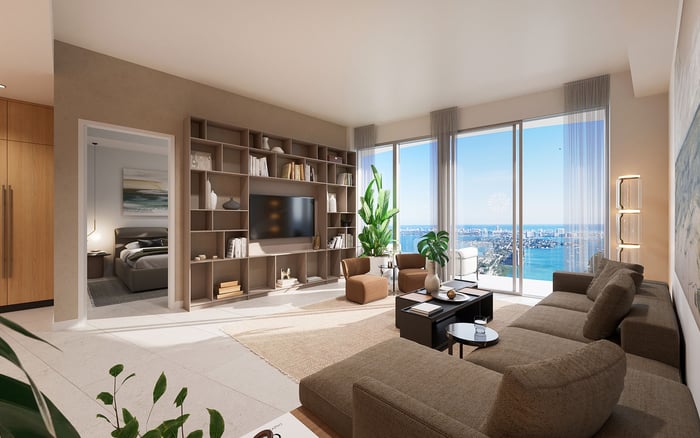
Waterfront orientation may contribute to the desired atmosphere, but buyers should still evaluate the residence at the level of daily experience. Consider light, outlook, terrace usability, room proportions, storage, and the transition between indoor and outdoor areas. A compelling view cannot compensate for an awkward household plan.
Villa Miami offers another relevant point of comparison within the broader Edgewater conversation. Rather than asking which presentation is most dramatic, ask which ownership model feels calmest. The best answer is often the residence that demands the least behavioral compromise.
A Greenwich buyer should approach Edgewater with a concise hierarchy. First, define how the residence will be used. Second, identify which services genuinely remove work. Third, test privacy from arrival through departure. Fourth, examine the economics and rules with professional advisers. Finally, compare the promises of the sales experience with the written ownership structure.
This approach preserves aspiration while controlling complexity. It also recognizes that convenience is not a decorative feature. In an ultra-premium residence, convenience results from thoughtful design, accountable management, and a service culture that respects the owner’s time.
Why might a Greenwich buyer consider Edgewater? Edgewater can be considered through the lens of service, privacy, and streamlined Miami ownership rather than amenity count alone.
What defines no-frictions ownership? It is an ownership model in which clear systems, responsive personnel, and transparent responsibilities address routine needs.
How should buyers evaluate residential service? Test real scenarios involving arrivals, deliveries, guests, vendors, maintenance, and periods when the residence is empty.
Is a hospitality brand enough to ensure service quality? No. Buyers should verify included services, additional charges, staffing expectations, and contractual obligations.
What is the most important privacy test? Trace the complete route from arrival to residence, including guest, delivery, amenity, and service circulation.
How should a buyer compare Edgewater projects? Use a consistent matrix covering privacy, household support, residence design, management, rules, and cost visibility.
What should be reviewed for a second home? Focus on residence monitoring, pre-arrival preparation, emergency procedures, vendor access, and communication while away.
Why does the floor plan matter to privacy? Room placement and circulation determine how easily family, guests, and staff can occupy the home without unnecessary overlap.
Should amenities drive the purchase decision? Amenities should support the owner’s actual routine, not substitute for strong operations or a well-resolved residence.
Who should assist with due diligence? Buyers should engage appropriate legal, financial, insurance, inspection, and real-estate advisers for the specific transaction.
For a discreet conversation and a curated building-by-building shortlist, connect with MILLION.
If branded residences are on your mind — as a home or as an allocation — we would be glad to share what we are seeing, privately.
Begin a quiet conversation