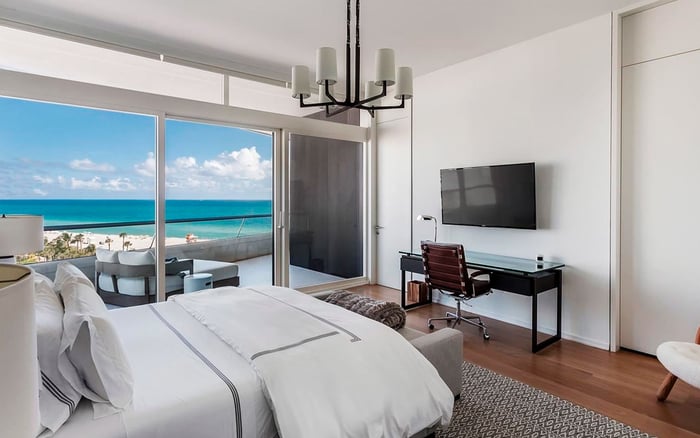
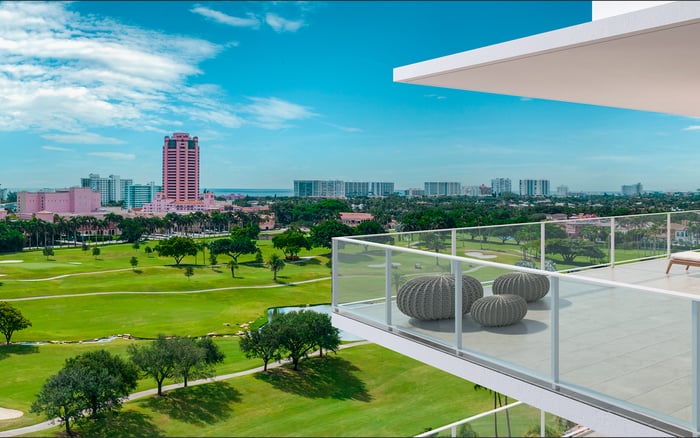
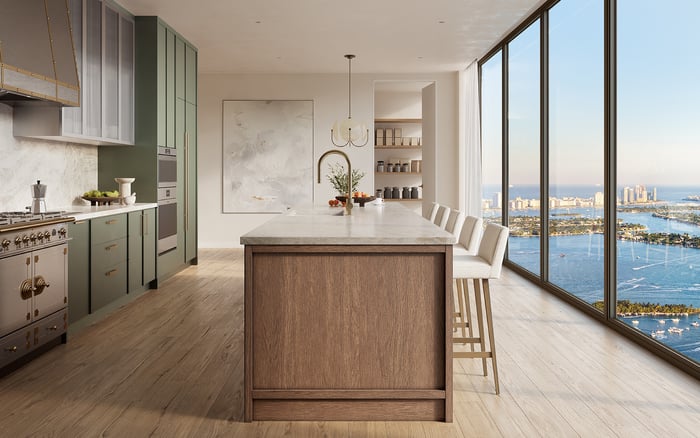
Private dining can be a meaningful residential amenity, but its value depends on reservation priority, guest policies, vendor access, fees, staffing, and event restrictions. Buyers considering Origin and THE WELL should obtain the governing documents and written answers relevant to their intended style of entertaining before contracting.
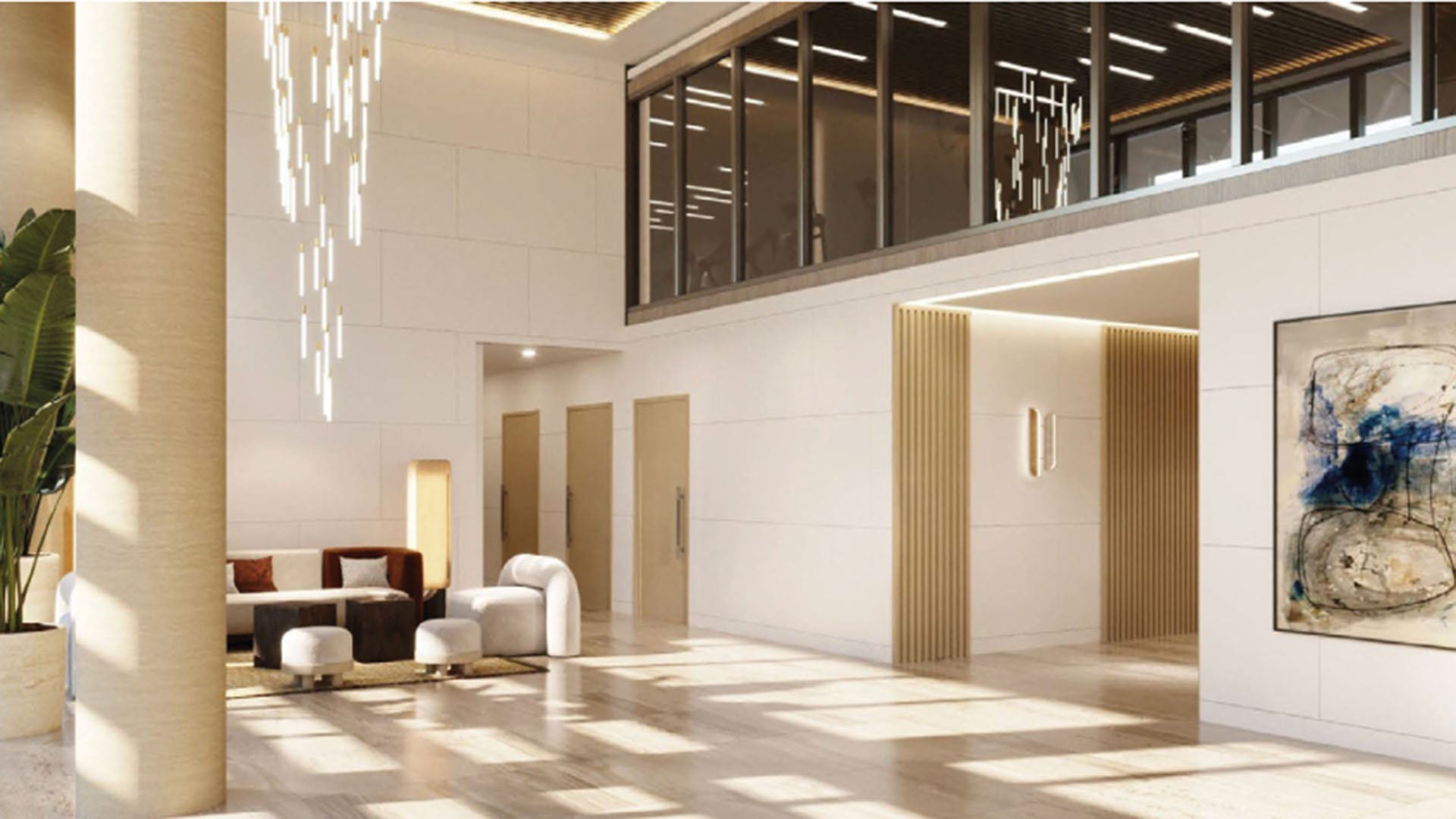
For buyers who entertain regularly, a private dining space can be more consequential than its footprint suggests. It may support a chef-led dinner, family celebration, business meal, or quiet gathering that would be less comfortable inside the residence. Yet an amenity presentation alone does not establish how a space can actually be used.
At Origin Bay Harbor Islands, buyers should determine whether the operating framework aligns with their plans. Reservation windows, guest limits, staffing, fees, deposits, cleanup, alcohol, music, outside chefs, and caterer access can shape the experience.
The practical value of private dining is determined by access, control, and execution.
Marketing materials may not provide condominium-level terms for every issue. Buyers should request the latest governing and operational documents rather than assume that a hospitality-oriented space functions as a private extension of the residence.
Buyers considering The Well Bay Harbor Islands should identify every space relevant to dining or private events and determine who may use or reserve it. The review should address whether owners receive priority, how far in advance bookings open, and whether guest privileges vary by user category.
Buyers should also ask whether applicable dining, lounge, rooftop, club, or event settings permit outside catering. If an owner expects to host a nutrition workshop, catered dinner, or business reception, a general assurance that events are possible is not a substitute for a written answer tied to that scenario.
The inquiry should distinguish ordinary resident use from a private reservation. Buyers should ask whether an event can limit access for other residents, whether concurrent bookings are possible, and who resolves scheduling conflicts. Any privileges, discounts, or guest rights should be identified in the applicable documents or written operating policies.
At Origin, the key distinction is between access to a room and access to a complete service model. A private dining amenity could be owner-operated during a reservation period, managed with required building staff, supported by designated vendors, or governed by another arrangement. Buyers should ask who operates the space and who controls food service.
The applicable agreement should clarify booking lead times, permitted frequency, maximum event duration, cancellation terms, deposits, and any staffing or cleaning charges. It should also state whether owners may bring in an outside chef, use an independent caterer, receive restaurant delivery, or select only from approved providers. Guest registration, alcohol service, music, decor, furniture movement, and post-event inspection should be addressed as well.
The same discipline is useful for buyers comparing nearby residences such as Alana Bay Harbor Islands and Onda Bay Harbor. The purpose is not to assume that different buildings share identical policies. It is to compare each residence through the same operational lens so that an attractive amenity schedule does not obscure meaningful differences in usability.
The availability of a chef or caterer does not guarantee that a condominium can receive and support the service smoothly. Building procedures can determine whether the event is straightforward or difficult to execute.
A caterer may need an approved arrival location, a defined delivery window, staff registration, proof of insurance, and a designated elevator route. Management may require advance submission of a vendor roster. A chef may need access to refrigeration, preparation surfaces, power, waste handling, and any kitchen facilities included with the reserved space.
Buyers should ask where vehicles can wait, how equipment must be moved, which entrances and elevators vendors may use, and when breakdown must be completed. The policy should distinguish routine food delivery from staffed catering because the procedures may differ. It should also explain responsibility for damage, excess cleaning, waste removal, and rule violations involving vendors or guests.
Alcohol deserves a separate written response. Buyers should determine whether service is permitted, whether a licensed or insured provider is required, and whether the building imposes additional staffing, security, or time restrictions. Music, decorations, candles, furniture movement, and audiovisual equipment may also be governed separately.
Before contracting, request the current condominium declaration, house rules, amenity reservation agreement, vendor-access policy, and fee schedule. Any draft document should be identified as such. If final operating procedures are not yet available, ask how future rules may be adopted and who will administer reservations.
Then provide realistic use cases in writing. Examples could include a dinner with an outside chef, a business gathering, a wellness workshop, or a family celebration. Ask the appropriate project representative to respond to each scenario in writing, addressing the specific room, permitted hours, guest ceiling, reservation priority, staffing, catering, alcohol, music, security, insurance, and cleanup.
For THE WELL, include direct questions about all user groups that may have access to the relevant spaces. Determine whether a private reservation can affect ordinary resident access to a rooftop, lounge, dining room, or similar setting. Ask whether any booking privileges or guest rights are contractual or merely operational.
For Origin, focus on the private dining space's operator and food-service rules. Confirm whether owners control the guest experience directly, whether building personnel must be present, and whether designated or exclusive vendors apply. If regular entertaining is central to the purchase, obtain the complete cost structure rather than relying on a single quoted fee.
A useful comparison places the same questions beside each project: Who can reserve the space? How early can an owner book? What costs apply? Which vendors are permitted? What insurance is required? How are guests admitted? What are the limits on alcohol, music, decor, timing, and cleanup?
Buyers should preserve written responses with the transaction materials and note whether each answer comes from a governing document, a current operating policy, or a project representative. If a term is essential to the purchase decision, the buyer should determine with appropriate professional guidance whether and how that term can be relied upon.
An off-site alternative may also be worth considering for gatherings that do not fit the building's rules or service model. The most refined ownership experience is not necessarily the one with the fewest restrictions; it is the one in which expectations, access, and service standards are understood before the first invitation is sent.
For discreet guidance on comparing Bay Harbor Islands residences and their amenity frameworks, connect with MILLION.
If branded residences are on your mind — as a home or as an allocation — we would be glad to share what we are seeing, privately.
Begin a quiet conversationThe practical value of the amenity may depend on reservation access, guest limits, fees, staffing, cleanup, and food-service policies.
Request the latest condominium declaration, house rules, amenity reservation agreement, vendor-access policy, and fee schedule.
Buyers should obtain written confirmation of whether outside chefs, independent caterers, restaurant delivery, or only designated vendors are permitted.
Buyers need to know who may reserve each relevant space, when booking opens, and whether owners receive priority.
Ask about every dining, lounge, rooftop, club, kitchen, or event setting that the buyer expects to use.
Confirm delivery hours, arrival procedures, elevator routes, insurance requirements, staff registration, equipment access, and waste removal.
Ask whether alcohol is permitted and whether licensed service, insurance, security, staffing, or time restrictions apply.
Useful examples include a chef dinner, business gathering, wellness workshop, or family celebration. The response should address the buyer’s intended room, service model, and guest plan.
No. Buyers should review the governing documents and current written operating policies for reservation and event terms.
The buyer can consider an off-site alternative for gatherings that exceed the building’s limits or require a different service model.