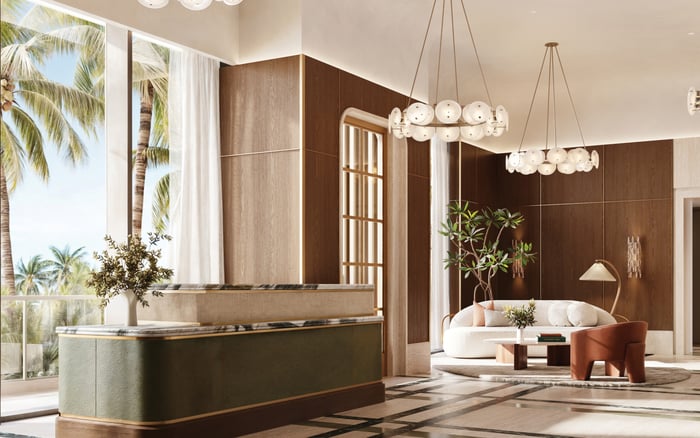
For an Edgewater buyer with a wine collection, the meaningful distinctions lie beyond the amenity description. Examine equipment-specific backup power, delivery handoffs, climate records, and the condominium documents that define responsibility.
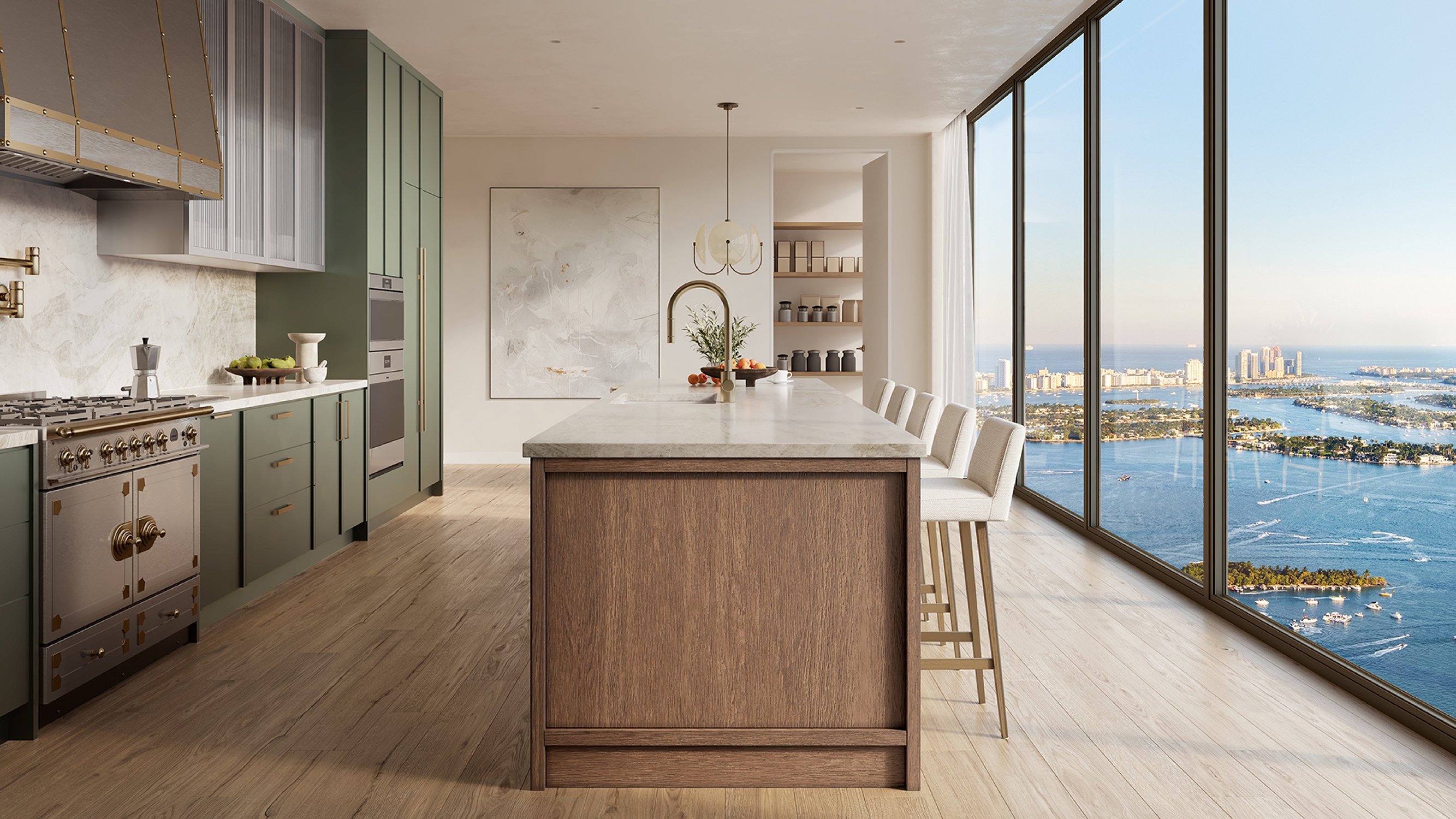
A wine cellar can be an elegant part of an Edgewater residence, but its value to a collector rests on more than shelving, presentation, or a concierge introduction. The practical questions concern continuity: what keeps the wine cool, who takes responsibility when a shipment arrives, and which records show that conditions have stayed within the intended range?
Before choosing a condominium, distinguish three environments: the wine appliance inside the residence, any shared cellar, and the space where deliveries wait. Evidence about one does not establish the performance of the others. A temperature-controlled cabinet does not answer questions about a package room, and a staffed lobby does not establish a wine-handling protocol.
The advertised offerings discussed here do not verify generator-backed wine cooling, redundant refrigeration, calibrated sensors, or historical climate performance. That distinction calls for documentation; it does not establish that these protections are absent.
Start by identifying exactly what is offered. Is it an appliance conveyed with the residence, an assigned space in a shared cellar, or an amenity available under association rules? Ask who owns the equipment, controls access, arranges service, and pays for repairs. Keep proposed arrangements separate from existing operations.
At Villa Miami, advertised features include built-in wine refrigeration and storage with customized shelving and temperature control. This describes residence-level equipment, not a verified building-wide storage program. Request the final appliance schedule and establish which responsibilities belong to the owner.
By contrast, Cove Miami is marketed with an owners' lounge containing a wine cellar, alongside amenities described as private wineries. Those descriptions do not specify temperature, humidity, backup cooling, generator connection, or monitoring history. Clarify access, allocation, operating standards, and responsibility before treating the amenity as suitable for a collection.
The useful question is not simply whether a building has a generator. It is whether its emergency-power arrangements cover the particular cooling equipment, controls, and monitoring systems relevant to your wine. Request written, equipment-specific confirmation from the appropriate building representative, supported by technical documentation where available.
EDITION Edgewater advertises newspaper, magazine, and package delivery and storage, along with 24-hour security and valet parking. Those offerings do not establish generator coverage for wine-storage equipment, monitoring systems, or package-storage areas. Service breadth and electrical coverage are separate matters.
Ask the building's engineer or qualified adviser to address:
Which wine-cooling units and associated controls are on backup power?
What interruption should be expected during a power transfer?
Are sensors, communications, and alert delivery supported during an outage?
What testing, maintenance, and operating records can be reviewed?
Also ask what happens if cooling itself fails. Generator connection and redundant refrigeration answer different questions. Request the response procedure, service contact, and any proposed temporary storage arrangement without assuming those provisions exist.
Delivery service deserves the same scrutiny as storage. Lilli Miami Edgewater markets package delivery directly to residences, supported by advertised security, valet, doorman, lobby ambassador, and concierge services. This describes a service model, not wine-specific acceptance, holding, or escalation procedures.
At Aria Reserve Miami, a package room is among the advertised amenities. Its description does not disclose refrigeration, climate control, chain-of-custody procedures, or emergency-power coverage. A package-room designation is not a promise of temperature-managed wine storage.
Ask management to walk through a shipment arriving while you are away. Who accepts it? Where does it wait? How is arrival recorded, and when are you notified? What authorization is needed for delivery into the residence? If delivery cannot be completed, what happens next?
Request the written policy on perishable or temperature-sensitive packages, including any refusal rules or owner responsibilities. To evaluate direct-to-residence service, the intermediate handoffs must be equally clear. Do not substitute staffing titles for a documented procedure.
A current temperature reading answers a narrow question about the moment of inspection. To evaluate a storage program over time, request available historical temperature and humidity records for the actual space your wine would occupy. Establish the period covered, measurement locations, recording intervals, and explanations for gaps.
Appliance specifications are not verified operating conditions at an Edgewater condominium or evidence of outage protection. Do not apply them automatically to a shared cellar or delivery room.
Ask who sets acceptable operating ranges and alarm thresholds, who receives alerts, and how interventions are documented. Request available sensor-calibration records, maintenance histories, and entries showing how temperature excursions were resolved.
Where an amenity is planned rather than operating, distinguish proposed specifications and commissioning requirements from a performance history. Future monitoring commitments are not historical records. For an existing installation, ask management to explain discrepancies rather than inferring satisfactory performance or failure from incomplete information.
Before closing, compare amenity representations with governing documents, rules, budgets, reserves, insurance, board minutes, and material contracts. The aim is to understand which commitments are documented, how they are funded, and who is responsible. Have your advisers reconcile inconsistencies while there is still an opportunity to address them.
For shared storage, request applicable access rules, allocation terms, maintenance responsibilities, and service agreements. For in-residence refrigeration, clarify ownership, warranty terms, repair access, and replacement responsibility. Ask your insurance adviser whether the proposed arrangement leaves collection-related risks requiring separate attention; do not assume building insurance protects the bottles.
Keep a concise written list of unanswered questions. Assign each to the appropriate representative and distinguish verbal explanations from document-backed answers. This provides a more useful basis for comparison than an amenity checklist alone.
The strongest choice is the one whose documented arrangements fit how you actually buy, receive, store, and enjoy wine. An owner frequently away from Miami may place particular weight on delivery escalation and remote alerts; another may prioritize control over residence-level equipment.
Evaluate each promise separately, then consider whether the complete arrangement meets your needs. Beautiful presentation can remain part of the decision, but it should not stand in for evidence of power coverage, careful handoffs, or climate oversight.
Explore Edgewater residences with a more considered ownership perspective at MILLION.
If branded residences are on your mind — as a home or as an allocation — we would be glad to share what we are seeing, privately.
Begin a quiet conversationNo. Request equipment-specific documentation covering the cooling units, controls, and monitoring systems relevant to your storage arrangement.
Its advertised delivery, storage, security, and valet services do not establish generator coverage for wine equipment, monitoring systems, or package-storage areas.
Villa Miami advertises built-in wine refrigeration and storage with customized shelving and temperature control. This describes residence-level equipment rather than a verified building-wide storage program.
Clarify access, allocation, operating conditions, maintenance responsibility, and emergency arrangements. The advertised cellar and private wineries do not establish temperature, humidity, backup cooling, or monitoring history.
Yes, it markets package delivery directly to residences. Buyers should still request wine-specific acceptance, temporary holding, and handoff procedures.
The advertised package-room description does not disclose refrigeration or climate control. That omission does not establish that these features are absent.
Request available temperature and humidity histories, measurement locations, recording intervals, sensor-calibration records, and documented responses to excursions. Ask for explanations of gaps.
No. Equipment specifications do not verify actual storage conditions, historical climate performance, or outage protection at a property.
Review governing documents, rules, budgets, reserves, insurance, board minutes, and material contracts. Reconcile them with advertised amenities and clarify ownership and maintenance responsibilities.
Review proposed specifications, commissioning requirements, and monitoring commitments separately from historical performance. A future commitment is not evidence of past operating conditions.