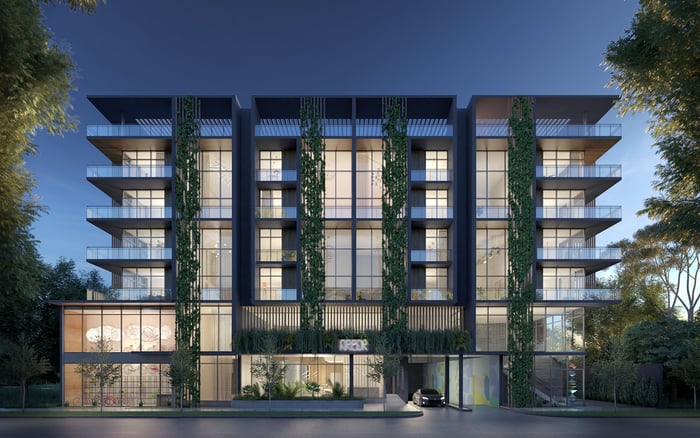
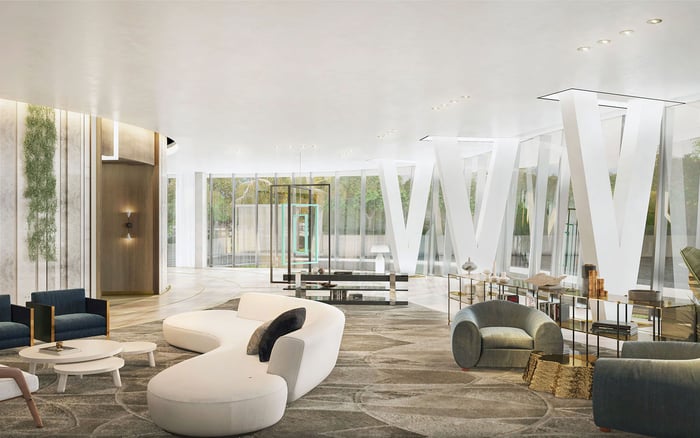
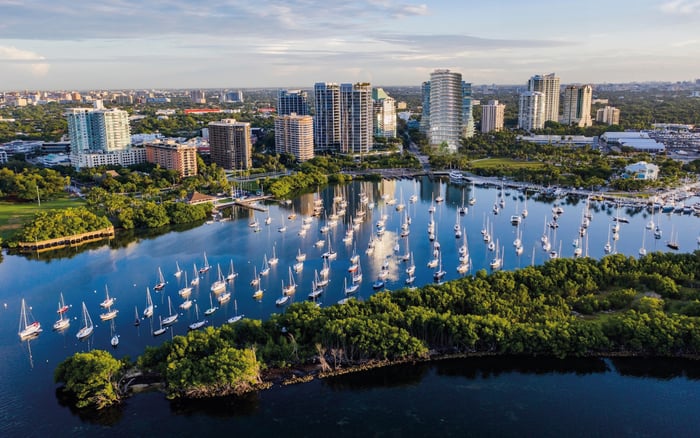
At Mr. C Tigertail Coconut Grove, the distinction between an impressive amenity program and dependable peak-season access lies in the governing rules. Buyers should examine booking priority, guest limits, fees, blackout dates, event controls, and the relationship between the two residential pool decks before assigning value to the lifestyle promise.
For a buyer considering Mr. C Tigertail Coconut Grove, the most consequential amenity question is not simply what exists, but whether the most desirable spaces remain practically available when residents want them most.
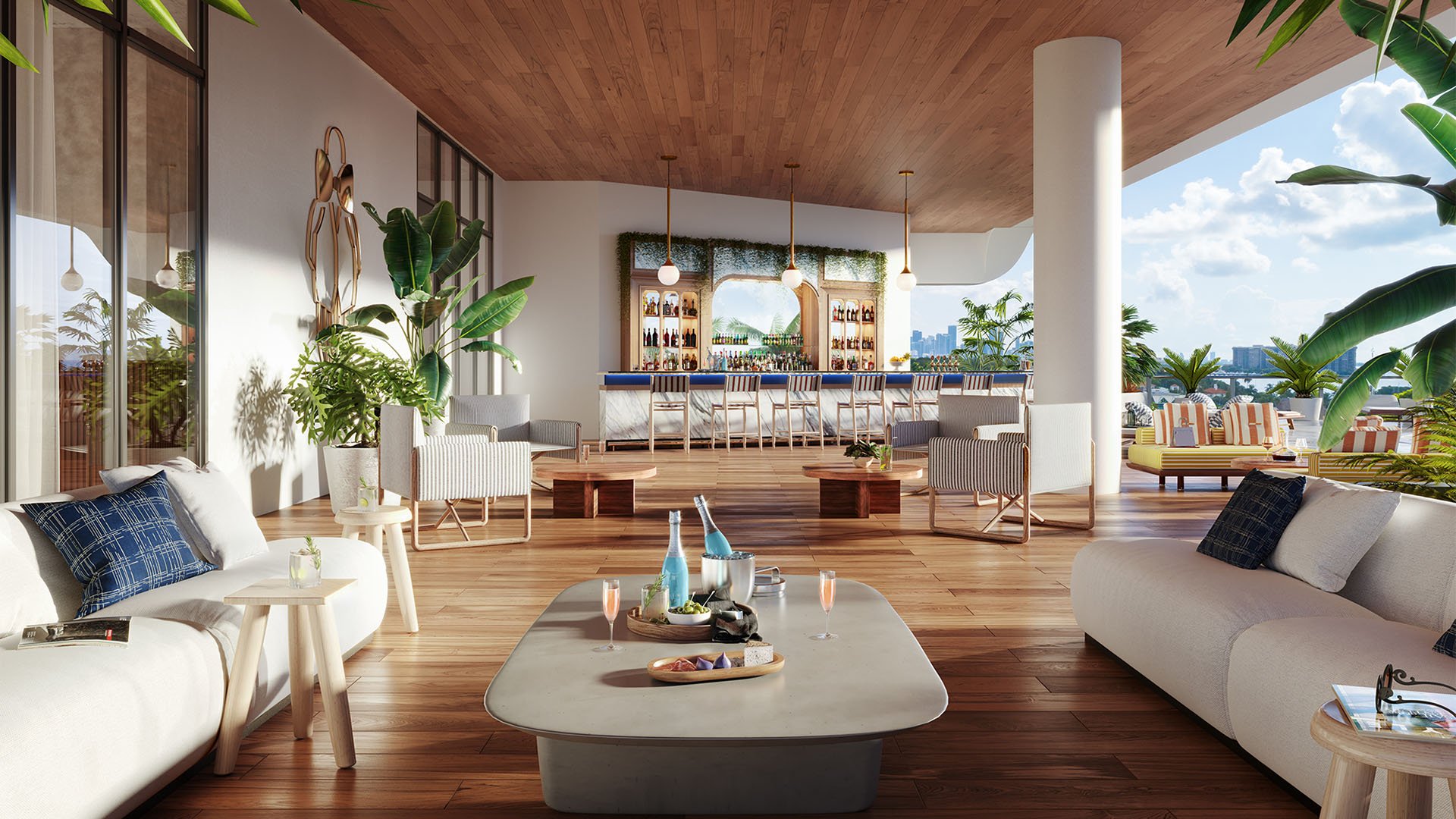
The residential program identifies two distinct aquatic settings: the Tigertail rooftop pool deck and the garden-level lap-pool deck. The rooftop offering includes a pool, sundeck, poolside bar, open-air lounge, food-and-beverage service, and complimentary towels. At garden level, the program includes a lap pool, sundeck, cabanas, outdoor lounge, poolside bar, food-and-beverage service, and towels.
That dual-deck design is meaningful. It may distribute different uses across distinct environments, from social afternoons above the Grove to exercise and cabana time closer to the garden. Yet two pool settings do not, by themselves, ensure easy access. Capacity, hours, reservation priority, guest policies, maintenance, programming, and private events can determine how each amenity functions in practice.
In luxury residential life, access is not the amenity list; it is the operating system behind it.
The Tigertail rooftop pool, bar, and lounge have been described as exclusive. For a purchaser, that is appealing positioning, but not a complete operating rule. It does not specify who receives priority, whether cabanas require advance booking, how many guests may accompany each residence, or whether holidays bring special restrictions.
This distinction is especially important within branded residences. Hospitality language can suggest effortless service, while the actual experience is shaped by governing documents, staffing protocols, and management decisions. The adjacent Mr. C hotel illustrates that principle, but it is not a proxy for residential policy. Its pool is designated for hotel guests, and covered services and amenities carry a $28-per-room nightly hotel amenity fee, inclusive of tax. Brand affiliation plainly does not mean every space is open to every audience.
Likewise, the hotel’s cabana structure demonstrates how carefully a polished pool environment may be controlled. Hotel cabana bookings are subject to availability; blackout dates and other restrictions may apply; and cancellation within 24 hours can trigger the full rental charge. Outside food and beverages are prohibited. These are hotel terms only, not confirmed rules for the residences, but they reveal the types of operational details a buyer should investigate.
On a quiet weekday, an amenity can feel abundant. During winter weekends, holidays, school breaks, and special programming, the more relevant measure is access under concentrated demand. A limited number of preferred seats or cabanas can make booking windows and owner priority more valuable than decorative specifications.
Hotel programming further illustrates how a pool deck can function as an event venue. Select Sunday DJ sets have been promoted from 2:30 p.m. to 6:30 p.m., while July 4 programming required cabana and daybed reservations by phone. Again, these examples do not establish residential rules at Tigertail. They show why buyers should ask whether either residential deck may host programmed events, experience partial closures, or operate under modified holiday procedures.
Cabanas deserve particular scrutiny. The completed residences have been described as having private cabanas around the pool, yet neither the number available nor the resident reservation process has been publicly specified. A purchaser should not assume that “private” means assigned, complimentary, unlimited, or always available.
A disciplined review begins with the current declaration, bylaws, rules and regulations, budget, and any amenity-management agreement. These materials may define who controls operating hours, pricing, reservation systems, conduct standards, and changes to amenity use. Buyers should request current versions rather than rely on a marketing summary.
The most useful questions are precise:
Written answers matter because informal descriptions can change with personnel. If a sales representative or manager describes a material access benefit, the buyer should ask where that benefit appears in the governing documents or current written policy.
The rooftop and garden-level areas should be evaluated independently. The Tigertail rooftop emphasizes a social, hospitality-oriented setting with a bar and open-air lounge. The garden-level deck combines a lap pool with cabanas and its own lounge and service components. Different rules may reasonably apply to each.
A serious buyer might tour each space at the hour they expect to use it, then request the current booking interface or a demonstration of the reservation process. Useful observations include whether cabanas are assigned or reservable, whether loungers are first-come, first-served, and whether food-and-beverage service follows defined windows. None of these details should be presumed from the physical tour alone.
The broader amenity program also includes a fitness center, spa, business lounge, library, billiards room, and Little C’s children’s playroom. Each may carry its own hours, guest standards, age rules, or booking conventions. Pool access may be the most visible case study, but it can also indicate how the building administers shared luxury across the property.
Amenity governance should be assessed alongside architecture, privacy, location, service, and residence design. Buyers comparing Coconut Grove options may also review Four Seasons Residences Coconut Grove, Park Grove Coconut Grove, and The Well Coconut Grove. The purpose is not to assume identical operations, but to compare how clearly each property defines access, priority, charges, and peak-period controls.
For buyer’s guides, amenity count is an incomplete metric. A stronger framework weighs the number of distinct spaces, the eligible user population, the reservation hierarchy, operating windows, event authority, and the owner’s recurring cost. This approach turns an abstract lifestyle promise into a practical ownership analysis.
At Mr. C Tigertail Coconut Grove, two pool environments and a broad suite of residential amenities create an attractive foundation. The unresolved issue is not the stated design intent, but the precision of the operating rules governing actual use.
Before closing, buyers should secure current documents and written responses addressing eligibility, booking lead times, owner priority, guest caps, fees, cancellations, blackout dates, event closures, and management’s authority to revise policy. The strongest luxury purchase is one in which the resident understands not only what the building offers, but when, how, and on what terms it can be enjoyed.
For discreet guidance on evaluating South Florida’s finest residences, connect with MILLION.
If branded residences are on your mind — as a home or as an allocation — we would be glad to share what we are seeing, privately.
Begin a quiet conversationTwo are identified: the Tigertail rooftop pool deck and a garden-level lap-pool deck.
The rooftop offering includes a pool, sundeck, poolside bar, open-air lounge, food-and-beverage service, and complimentary towels.
No. The term does not specify reservation procedures, guest limits, booking priority, blackout dates, or peak-season restrictions.
No. Hotel terms illustrate possible hospitality operating practices but are not confirmed policies for the residential amenities.
Buyers should confirm booking windows, owner priority, charges, time limits, cancellation penalties, holiday blackouts, and guest capacity in writing.
They can in hospitality settings, so buyers should determine whether residential events or programming may close or restrict either deck.
Public information does not fully answer that question. Buyers should confirm whether access extends beyond owners and residents to tenants, invitees, hotel guests, club members, or day-pass users.
Request the current declaration, bylaws, rules and regulations, budget, and any amenity-management agreement.
The rooftop and garden-level decks have different stated features and may follow different hours, booking systems, guest rules, or event policies.
The offering includes a fitness center, spa, business lounge, library, billiards room, and Little C’s children’s playroom.