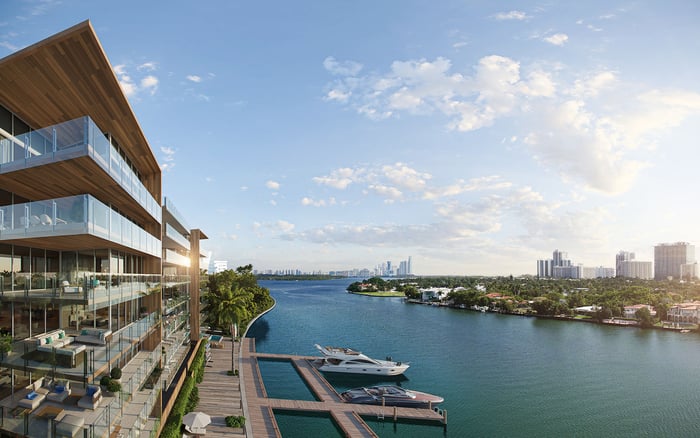
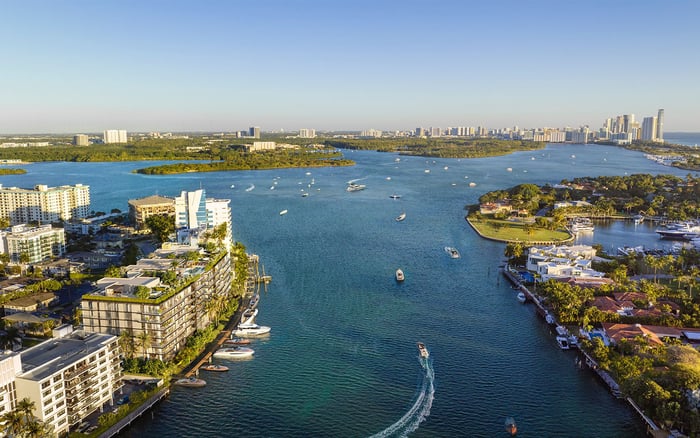
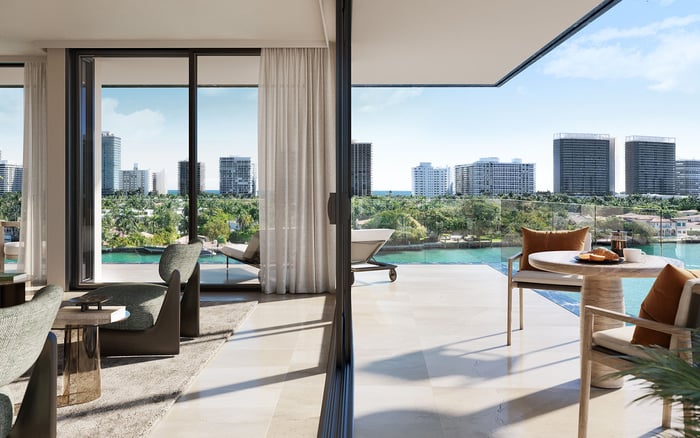
Bay Harbor Towers and Onda Bay Harbor belong on a dockage-focused Bay Harbor Islands shortlist, but buyers should verify the rights, availability, dimensions and operating terms associated with each specific residence.
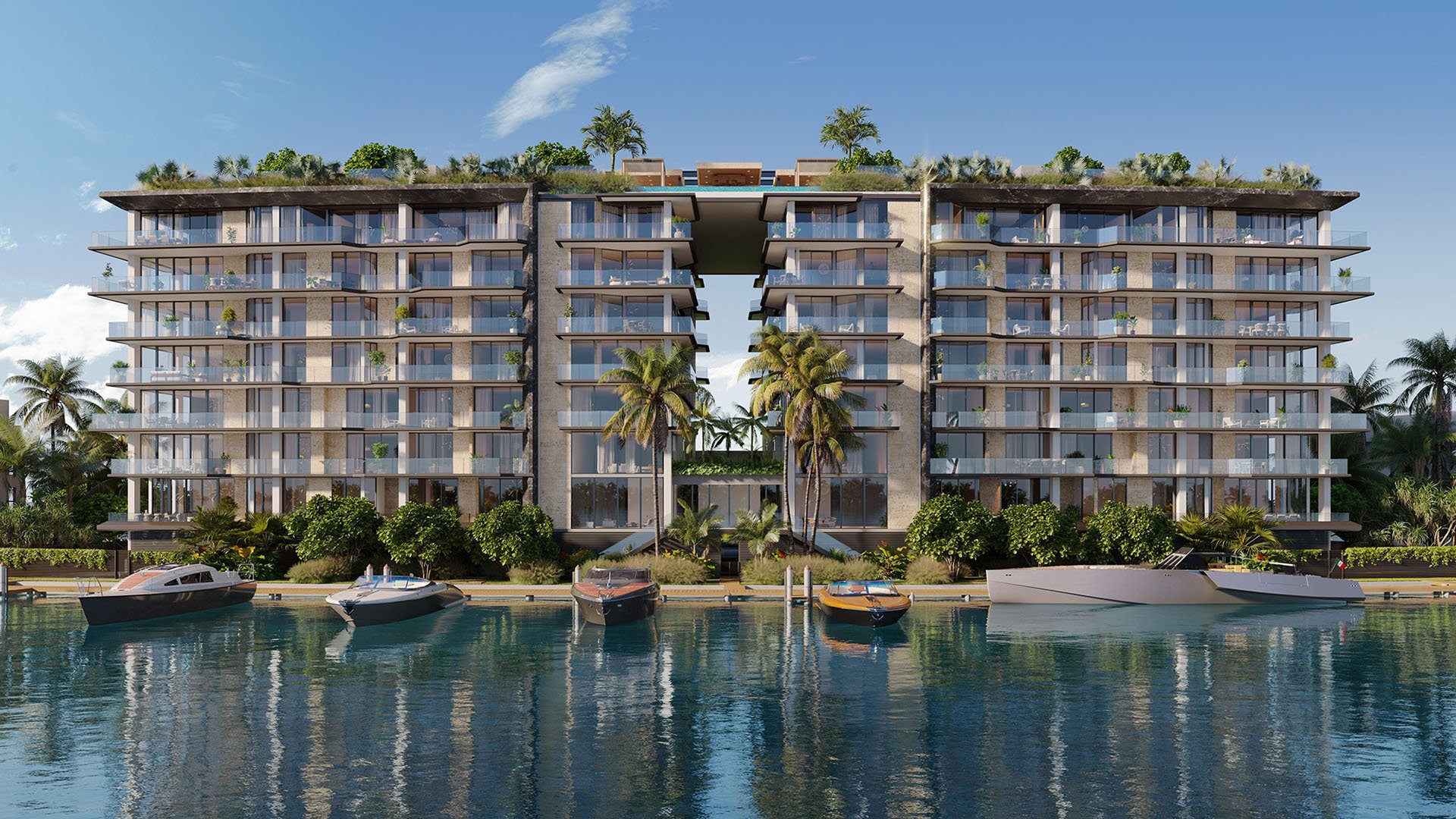
Buyers prioritizing dockage proximity should begin with the boat and the associated property rights rather than assuming that every water-oriented residence provides the same arrangement. Bay Harbor Towers and Onda Bay Harbor can both enter a Bay Harbor Islands search, but each opportunity requires residence-specific verification.
A useful comparison separates three questions: whether dockage is available, whether the intended vessel is compatible and whether the governing terms fit the buyer’s plans. Proximity alone does not answer any of them.
Dockage can take different legal and operational forms. A buyer should determine whether a slip is connected to the residence, assigned separately, leased, subject to availability or governed by another arrangement. The review should also establish whether the right transfers with a sale and what approvals may apply.
These questions belong early in the process. A residence may be compelling on its own merits, but unverified dockage should not influence valuation as though it were guaranteed.
A buyer should compare any available slip with the vessel’s full requirements. Length is only one consideration; beam, draft, height, maneuvering space and utility needs may also affect suitability.
The review should address the intended boating pattern as well. Navigation, operating rules, service access and practical departure requirements can matter as much as the distance between the residence and the dock.
Bay Harbor Towers and Onda Bay Harbor belong in the conversation because the buyer’s decision should follow verified details for the particular residence and dockage opportunity under consideration. Neither a project name nor a water view should substitute for current documentation.
The comparison should therefore remain conditional until the buyer confirms availability, rights, vessel fit, costs and applicable rules. This approach keeps the residential evaluation distinct from the dockage evaluation while allowing both to inform the final decision.
A focused search can also include La Baia North Bay Harbor Islands and La Maré Bay Harbor Islands. Their inclusion broadens the residential comparison without implying that their dockage arrangements match those of another property.
For every option, buyers should ask the same questions and require the same level of verification. A consistent review makes it easier to distinguish the appeal of a residence from the legal and practical value of any dockage arrangement.
Current offering materials, governing documents, agreements and written confirmations should be reviewed for the individual opportunity. The inquiry can cover transferability, assignment procedures, recurring charges, insurance obligations, guest access, utilities, maintenance responsibilities and restrictions affecting vessel use or service.
Buyers should also confirm that verbal descriptions align with the controlling documents. If dockage is central to the purchase, unresolved conditions should remain explicit until the appropriate review is complete.
Bay Harbor Towers and Onda Bay Harbor can both remain on a dockage-priority shortlist, but the decisive comparison is not based on proximity alone. The stronger fit will be the residence whose verified rights, vessel compatibility, operating terms and overall living experience align with the buyer’s intended use.
What should a dockage-focused buyer verify first? Confirm whether dockage is available for the specific residence and identify the legal or contractual basis for using it.
Is dockage automatically included with a residence? Buyers should not assume inclusion; the arrangement may be structured separately and must be verified in current documents.
Which vessel measurements should be checked? Review length, beam, draft, height and any other dimensions relevant to the slip and access route.
Why does transferability matter? Transfer terms determine whether a dockage right can pass with the residence or requires a separate process.
What operating details deserve review? Confirm applicable access procedures, utilities, maintenance responsibilities, guest rules and service restrictions.
Should fees and insurance be part of the comparison? Yes. Any recurring charges, special obligations and insurance requirements can affect the practical cost of the arrangement.
How should Bay Harbor Towers and Onda Bay Harbor be compared? Evaluate each specific residence using the same criteria for documented rights, availability, vessel fit and operating terms.
Why include other Bay Harbor Islands projects in the search? A broader shortlist helps buyers compare residential options without assuming that every property offers equivalent dockage.
Do water views establish a right to keep a boat? No assumption should be made from a view or location; dockage rights require separate verification.
When should dockage affect a buyer’s valuation? It should influence valuation only after its availability, legal status, costs and practical suitability have been confirmed.
For a confidential assessment and a building-by-building shortlist, connect with MILLION.
If branded residences are on your mind — as a home or as an allocation — we would be glad to share what we are seeing, privately.
Begin a quiet conversation