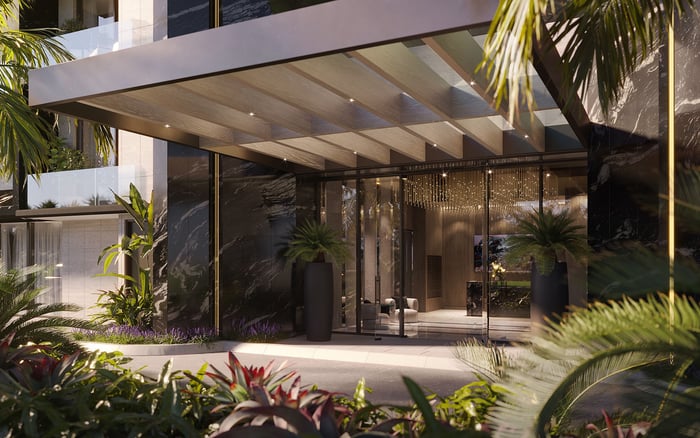
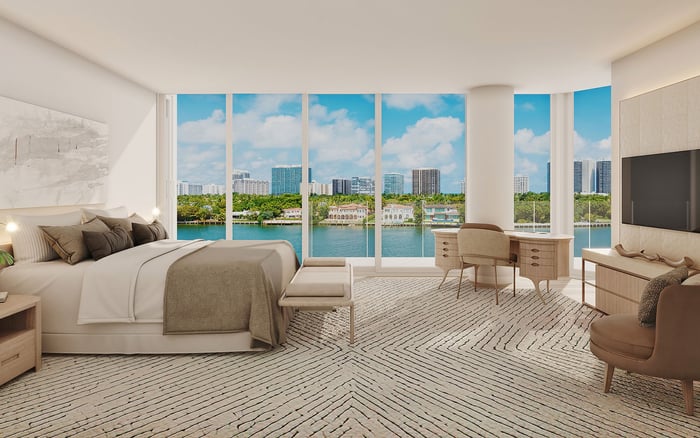
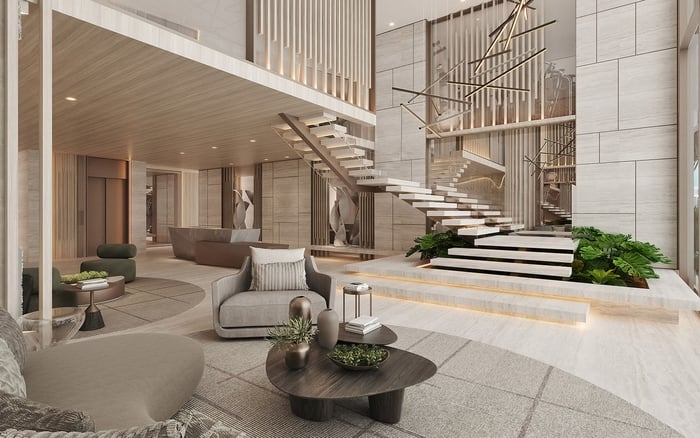
Bay Harbor Islands can appeal to wellness-focused owners seeking quieter coastal living, but the real test is operational discipline: air, water, acoustics, staffing, programming, and maintenance.

Bay Harbor Islands can be compelling for wellness-focused owners because its appeal begins before the front door. The setting is smaller, quieter, and more residential in feel than many of South Florida’s higher-profile coastal addresses. For buyers who define luxury through calm, discretion, daily walkability, waterfront exposure, and proximity to Bal Harbour, Surfside, and Miami Beach, that combination can feel unusually well balanced.
Yet wellness ownership is not secured by geography alone. A serene island address can be diminished by weak building systems, uneven staffing, poor acoustic control, or inconsistent maintenance. The inverse is equally true: a boutique building with disciplined operations can amplify Bay Harbor Islands’ scale and rhythm. In this market, the central question is not only what a building offers. It is how reliably the building performs.
Wellness in a luxury residence is often described through spas, pools, fitness rooms, terraces, and views. Those features matter, but they are only the visible layer. The deeper value sits in air quality management, water filtration, humidity control, elevator upkeep, housekeeping standards, amenity scheduling, package handling, landscape care, and the way staff anticipate friction before it becomes part of daily life.
That is why buyers comparing The Well Bay Harbor Islands with other Bay Harbor options should look past the nameplate and into the operating culture. A wellness-forward concept is most persuasive when the property’s routines support it every day. Filters must be changed. Mechanical systems must be monitored. Common areas must be kept quiet, clean, and calibrated to resident use. Programming should feel useful rather than performative.
The best buildings make wellness feel invisible. Owners sleep well, move easily, breathe comfortably, receive service promptly, and experience fewer interruptions. That is operational luxury.
Bay Harbor Islands has a natural advantage for buyers who prefer a softer coastal cadence. Its small-island scale can support a more intimate residential experience, especially for owners who do not want the constant intensity of a larger resort corridor. The location also gives residents access to nearby luxury retail, beaches, dining, and Miami Beach energy without requiring every day to feel public.
That balance is where boutique residential buildings can be particularly effective. A buyer considering Onda Bay Harbor, for example, is not only evaluating architecture or waterfront orientation. The more refined question is whether the building’s service model can preserve privacy, manage arrivals gracefully, and maintain calm in shared spaces.
The same lens applies to La Maré Bay Harbor Islands. In a wellness-minded purchase, waterfront presence is meaningful, but it should be matched by operational competence: clean ventilation, responsive engineering, reliable access control, and common areas that never feel overrun.
For wellness-focused owners, due diligence should begin with practical, unglamorous questions. How is indoor air quality managed? How often are filters and mechanical components serviced? What water quality measures are in place? How does the building control humidity, odor transfer, and sound transmission? How quickly does management respond to maintenance requests?
Acoustics deserve particular scrutiny. A quiet neighborhood can still be compromised by noise between residences, mechanical vibration, elevator sounds, pool activity, or service corridors. Buyers should ask how the building handles quiet hours, amenity reservations, deliveries, contractor access, and guest policies. These details shape the living experience more than a rendering ever can.
Staffing is another decisive factor. In a smaller building, a strong team can create an atmosphere that feels personal and composed. In a poorly run building, the same boutique scale can magnify every weakness. When evaluating Alana Bay Harbor Islands and Bay Harbor Towers, the right questions are operational: who is accountable, how issues are escalated, and how consistent the service experience remains across mornings, evenings, weekends, and seasonal peaks.
A wellness building does not need to be theatrical. In Bay Harbor Islands, the most successful amenity approach may be one that supports normal, healthy daily patterns: a calm pool environment, practical fitness access, shaded outdoor space, thoughtful arrival sequences, and areas where residents can decompress without feeling displayed.
The distinction is subtle but important. A pool is not inherently a wellness feature if it is poorly maintained, overcrowded, or acoustically disruptive. A waterview is not enough if the residence is humid, noisy, or difficult to service. A boutique building is not automatically better if management lacks depth. Wellness depends on whether design, staffing, and maintenance work together.
This is where buyers should look closely at the building’s rules and resident culture. A property that manages guest access carefully, keeps common areas orderly, and maintains clear standards can feel restorative. One that allows operational drift can quickly lose the calm that made the island attractive in the first place.
Bay Harbor Islands may suit owners who want a primary residence or second home with a more measured atmosphere. It can also work for buyers who value proximity to major coastal destinations but prefer returning to a quieter residential base. The area’s appeal is not about withdrawal. It is about control: control over pace, privacy, movement, and the sensory quality of home.
For these owners, the building should act almost like a private wellness protocol. It should reduce friction, not add it. It should manage the unseen aspects of daily life with competence. It should protect rest, simplify routines, and keep the residence feeling fresh in South Florida’s coastal climate.
That is also why buyers should compare projects with patience. Origin Bay Harbor Islands may enter the conversation alongside other local options, but each building should be assessed on its own operating merits. The strongest choice is the one where the island setting, the physical residence, and the management culture align.
Is Bay Harbor Islands a good fit for wellness-focused owners? It can be, especially for buyers who value quieter residential surroundings, walkability, waterfront exposure, and proximity to nearby coastal destinations.
What matters most in a wellness-oriented building? Air quality, water quality, acoustic control, maintenance discipline, staffing, and resident programming matter more than amenities alone.
Are boutique buildings better for wellness living? They can be, but only when management is consistent, proactive, and sufficiently staffed for the building’s needs.
Why is acoustic control important? Noise affects sleep, focus, and privacy, so buyers should examine how the building manages sound from neighbors, amenities, and service areas.
Should buyers prioritize a pool or spa? Amenities are valuable when they are clean, calm, well scheduled, and maintained to a high standard.
How should a buyer evaluate building staff? Ask how issues are handled, who is accountable, and whether service quality remains consistent across different times and seasons.
Does waterfront exposure guarantee wellness value? No. Waterfront living is meaningful, but comfort still depends on humidity control, maintenance, privacy, and quiet interiors.
What should second-home owners consider? They should focus on security, maintenance responsiveness, access control, and how well the building protects the residence while they are away.
Can wellness features be overmarketed? Yes. Buyers should distinguish between attractive branding and the daily operational practices that support genuine comfort.
What is the best way to shortlist comparable options for touring? Start with location fit, delivery status, and daily lifestyle priorities, then compare stacks and elevations to validate views and privacy.
For a discreet conversation and a curated building-by-building shortlist, connect with MILLION.
If branded residences are on your mind — as a home or as an allocation — we would be glad to share what we are seeing, privately.
Begin a quiet conversation