A discreet, buyer-oriented guide to choosing a Bay Harbor Islands residence when private aviation, privacy, arrival logistics, and lock-and-leave ease shape the purchase decision.
For buyers who move through South Florida by private aircraft, the right residence is not simply a beautiful address. It is an operating system. The home should receive you gracefully after a late arrival, protect your privacy when schedules shift, and make departures feel calm rather than theatrical. Bay Harbor Islands suits that mindset because its residential rhythm is quieter, more composed, and less performative than many of the region’s louder waterfront markets.
The appeal is not spectacle. It is control. Private aviation users often care less about occupying the most visible tower and more about the sequence from aircraft to car, from car to lobby, and from lobby to residence. A strong Bay Harbor Islands purchase should feel like an extension of that discipline: discreet access, practical service, refined interiors, and enough neighborhood calm to reset between flights.
The first question is not whether a residence photographs well. It is how it functions when you land. Buyers should study the route from a preferred airport or FBO, the consistency of traffic at the hours they actually travel, and the way the building handles private cars, drivers, luggage, garment bags, golf clubs, pets, or family staff.
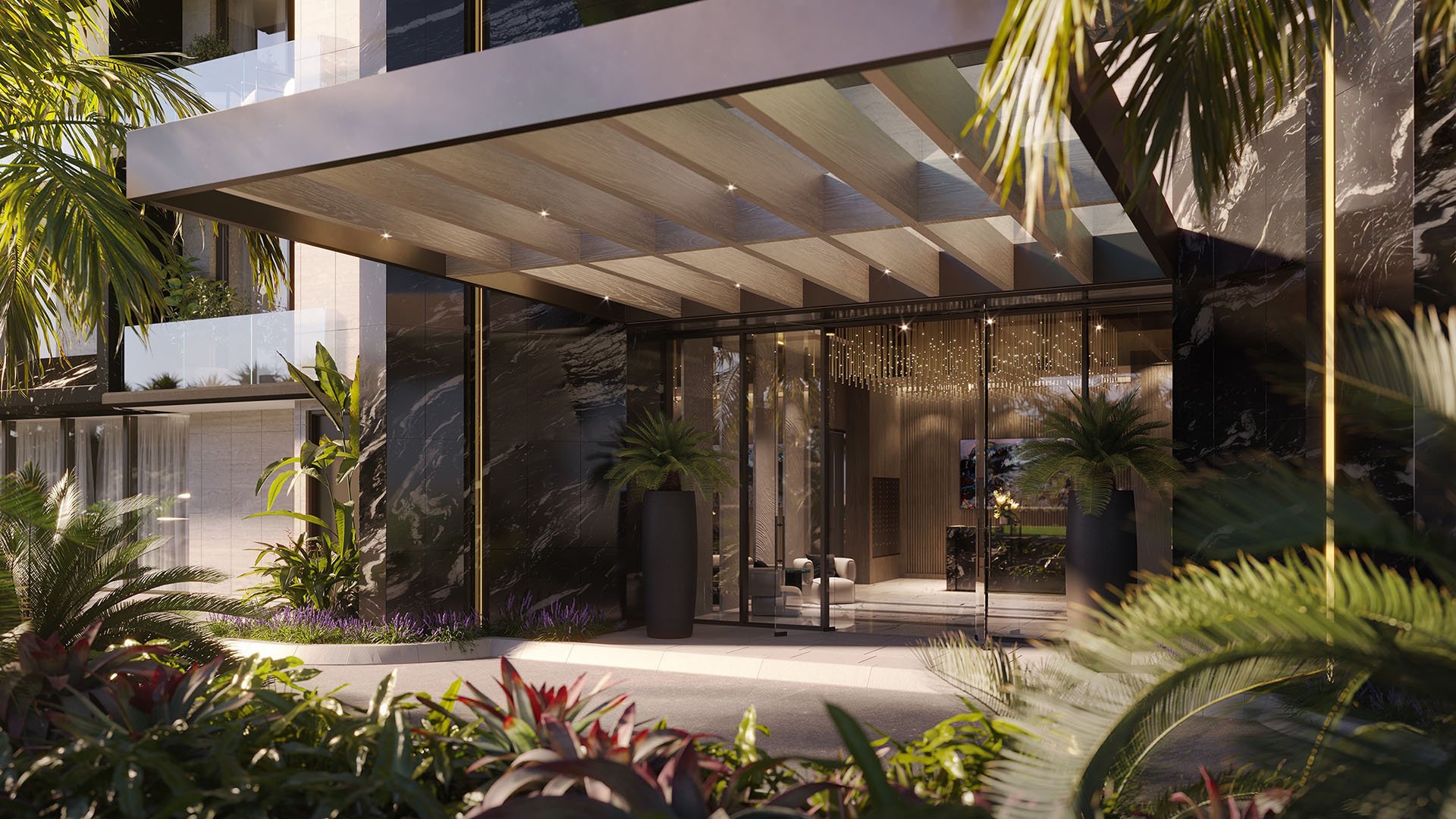
Aviation-led ownership makes small frictions more consequential. A tight drop-off, a congested porte cochère, or an underprepared front desk can compromise an otherwise elegant residence. Ask how arrivals are coordinated, whether building staff are accustomed to frequent owner travel, and how packages or household preparations are handled when the owner is away.
This is where boutique scale can be an advantage. A building does not need to be large to feel complete. It needs to be responsive. Buyers comparing Alana Bay Harbor Islands with other local options should look beyond finishes and evaluate the service culture, entry experience, and daily ease of movement.
For private aviation users, privacy begins well before the front door. It includes how a guest enters, how a driver waits, how staff access the residence, and whether the building’s common areas feel serene under normal use. In Bay Harbor Islands, the best fit is often a residence that delivers elegance without unnecessary attention.
That does not mean choosing the most secluded property at any cost. It means understanding the buyer’s true exposure profile. Some owners want a pied-à-terre used between international trips. Others need a family base with school, dining, wellness, and boating routines woven into the week. The privacy answer changes with each profile.
Residences such as Bay Harbor Towers may enter the conversation for buyers who want a Bay Harbor Islands setting while evaluating how building scale, views, and access align with a low-friction ownership pattern.
A private aviation lifestyle often means irregular occupancy. The residence may be used intensely for a week, then remain quiet while the owner is in another market. That makes lock-and-leave performance central to the purchase.
Look for a building where maintenance, security, climate, deliveries, and vendor access can be managed professionally. The ideal home should not require the owner to rebuild the operating plan before each arrival. It should be ready, composed, and familiar.
Interior selection matters as well. Durable, elegant materials, generous closets, secure storage, and sensible service areas can be more valuable than ornamental drama. The residence should accommodate luggage, resort wear, business attire, wellness equipment, and seasonal belongings without making the home feel transitional.
Many Bay Harbor Islands buyers are not chasing maximum density or constant nightlife. They are seeking water, calm, access, and polish. That makes the wellness brief especially relevant for private aviation users who cross time zones, arrive late, or need reliable routines between demanding travel days.
When comparing The Well Bay Harbor Islands, buyers should think in terms of recovery as much as architecture. A strong residence supports sleep, movement, light, and privacy. It should make it easy to keep a schedule rather than recover from the inconvenience of owning there.
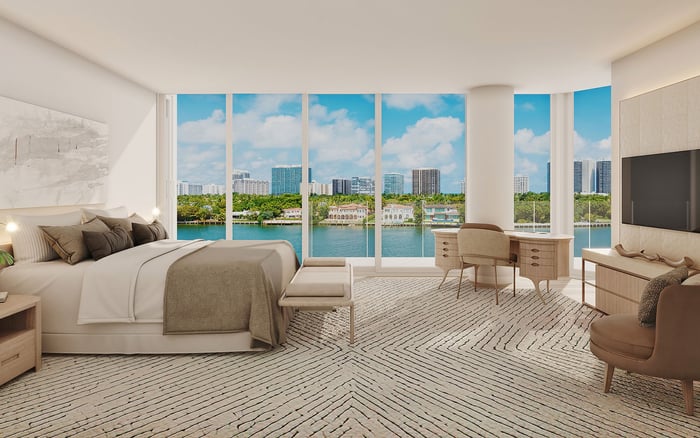
The same principle applies to outdoor space. A terrace is not just a view platform. It is a decompression room, a breakfast setting before departure, and a place to host quietly without turning the residence into a production.
Bay Harbor Islands is best understood within the broader North Miami Beach and barrier-island lifestyle map. A buyer may compare it with Surfside, Bal Harbour, Miami Beach, Sunny Isles, or Aventura, depending on the desired balance of beach access, retail proximity, marina access, privacy, and building scale.
The important point is not which market is universally superior. It is which one fits the owner’s travel pattern. A buyer who wants a calm residential base may prefer Bay Harbor Islands. A buyer who wants a larger resort environment may look elsewhere. A buyer who splits time with Aventura appointments or Miami Beach social commitments should test real travel routines before choosing.
Within Bay Harbor Islands, La Maré Bay Harbor Islands and Onda Bay Harbor can be part of a focused comparison for purchasers who want the neighborhood’s quieter cadence without leaving the luxury condominium category.
The due diligence checklist should be unusually practical. Confirm parking arrangements, valet procedures, guest access, pet policies, service elevator use, storage availability, and rules for household staff. If a driver, assistant, chef, trainer, or security professional is part of the ownership pattern, test how the building accommodates that reality.
Financial review should be equally sober. Understand association structure, reserves, insurance approach, rental restrictions, and renovation rules. A residence that feels effortless during a showing may be less suitable if the governance does not match the owner’s intended use.
Finally, revisit the same building at different times. Daytime calm, evening traffic, weekend rhythms, and holiday periods can feel different. For private aviation users, predictability is a form of luxury.
Is Bay Harbor Islands a good fit for private aviation users? Yes, for buyers who prioritize privacy, calm residential living, and a disciplined arrival routine between flights.
What should aviation-focused buyers evaluate first? Start with the door-to-door sequence from preferred aircraft arrival to residence entry, including cars, luggage, staff, and guest access.
Are boutique buildings better than large towers? Not always, but boutique buildings can offer a quieter experience when staffing, security, and operations are well aligned.
Why does lock-and-leave performance matter? Frequent travelers need a home that remains secure, maintained, and ready without constant owner supervision.
Should buyers prioritize views or access? The best choice balances both, but access and privacy often matter more for owners with demanding travel schedules.
How should buyers compare Bay Harbor Islands with Aventura? Compare actual weekly routines, including dining, appointments, family needs, and travel times at the hours you use most.
Is wellness important for this buyer profile? Yes, especially for owners managing time-zone changes, late arrivals, and recovery between business or leisure travel.
What building rules deserve special attention? Review valet, storage, staff access, guest procedures, pet policies, rentals, renovations, and service elevator protocols.
Can Bay Harbor Islands work as a second home? It can, particularly when the residence and building operations support low-maintenance, secure, seasonal ownership.
What is the smartest way to begin a search? Define your travel pattern first, then evaluate residences by privacy, service, access, and readiness.
If you'd like a private walkthrough and a curated shortlist, connect with MILLION.
If branded residences are on your mind — as a home or as an allocation — we would be glad to share what we are seeing, privately.
Begin a quiet conversation