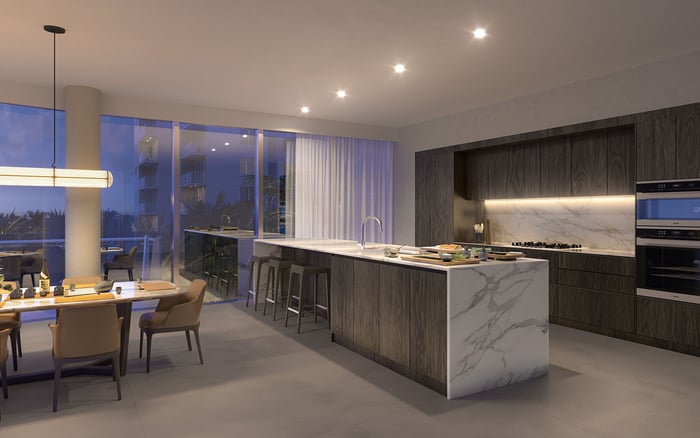
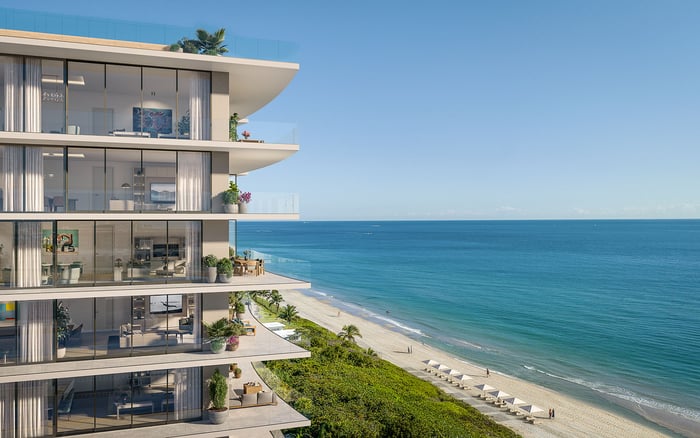
For Austin households considering Pompano Beach, the most disciplined approach separates residency planning from the property decision, then tests family routines, privacy, and ownership demands in practical terms.
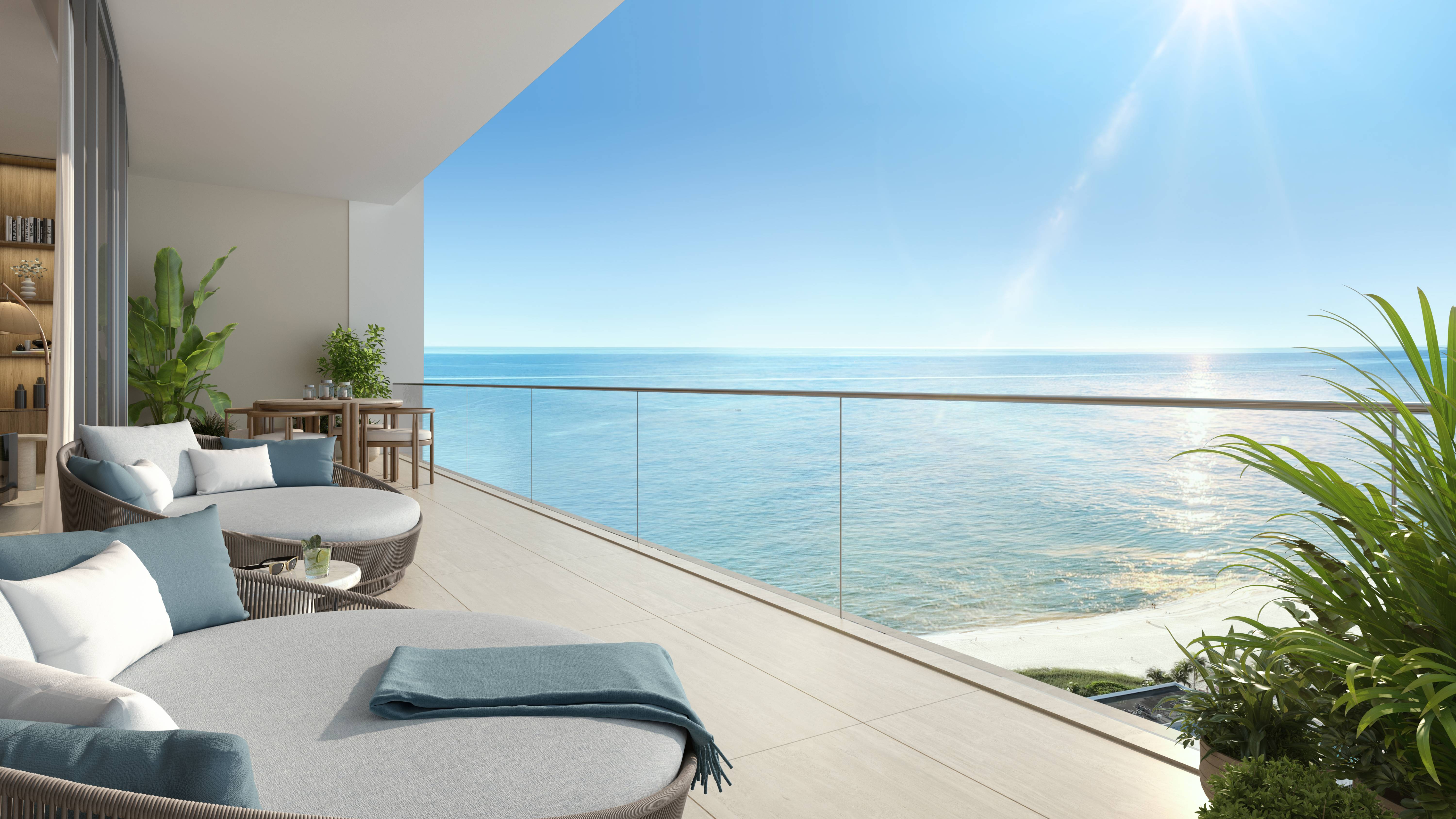
For an Austin household, evaluating Pompano Beach may begin with an attractive residence, but the consequential questions extend beyond architecture. Tax residency, family continuity, household privacy, travel patterns, and property management must work in concert. A beautiful acquisition that conflicts with the family calendar or an owner’s actual pattern of use is not a complete solution.
The most effective process separates three decisions: where the household intends to establish its primary life, how the family expects to use the home, and which property format supports that plan with the least friction. Only when those answers align should design, view, floor plan, and brand become decisive.
Tax residency should never be treated as an amenity attached to a purchase. Acquiring a home and establishing a defensible residency position are distinct matters, and the analysis may involve personal, business, estate, and family considerations. Before changing documents, ownership structures, or occupancy patterns, buyers should ask qualified tax and legal advisers to examine their complete circumstances.
For Austin buyers, the useful question is not whether one location appears more advantageous in isolation. It is whether the contemplated move is coherent across the household’s conduct and records. The review should encompass every jurisdiction and entity relevant to the family, without assuming that a closing alone creates the intended result.
Luxury is often assessed during a polished visit. Family suitability is better tested through a deliberately ordinary schedule. Buyers can model school mornings, work calls, medical appointments, children’s activities, pet care, visiting relatives, airport days, and the arrival of household staff. The exercise reveals whether the residence simplifies life or merely photographs well.
The lifestyle decision should also distinguish full-time living from seasonal use. A year-round home requires different storage, staffing, workspace, and service arrangements than a second residence. Buyers considering W Pompano Beach Hotel & Residences can use that distinction to examine how a hospitality-associated concept fits their preferred degree of independence.
Privacy is not a single feature. It is the sum of arrival sequences, elevator use, sightlines, sound separation, staff circulation, package handling, amenity traffic, guest procedures, and management culture. Each element should be inspected rather than inferred from a brochure or familiar name.
At Ocean 580 Pompano Beach, as with any candidate residence, the walkthrough should trace the entire route from vehicle arrival to the front door. Repeat the exercise for guests, vendors, deliveries, and household employees. Determine what can be controlled privately, what depends on shared operations, and how the experience changes during busier periods.
Privacy also extends inside the residence. Bedroom placement, service access, terraces, adjoining exposures, and the separation of entertaining areas from family rooms may matter more than headline square footage. A rigorous review should account for both daytime and evening conditions.
Pompano Beach presents buyers with names that invite comparisons across oceanfront, waterfront, and branded-residence categories. Those labels are useful starting points, not substitutes for due diligence. Before judging the premium attached to any format, an owner should understand the operating model, governing documents, service expectations, recurring obligations, and practical limits on personalization.
A branded option such as Armani Casa Residences Pompano Beach may enter the conversation through its design identity. The Ritz-Carlton Residences® Pompano Beach may be considered through a different brand lens. In either case, the disciplined buyer asks the same questions: Which services are included? Which are optional? How are privacy and access managed? What authority does the owner retain within the residence?
The answers should be tested against the household’s actual preferences. Some families value a highly managed environment; others prefer fewer touchpoints and greater autonomy. Neither model is inherently superior. Fit is the luxury.
A coordinated review should encompass the residence, the association or operating framework, insurance questions, financing structure, title, construction status where relevant, and the family’s intended ownership vehicle. Counsel should examine the city, Broward, and broader jurisdictional considerations that apply to the buyer’s circumstances.
The physical inspection warrants equal care. Buyers should assess light, noise, exposure, storage, parking, service access, connectivity, backup plans for essential household systems, and the routes between private and shared spaces. For a family prioritizing discretion, management interviews may be as revealing as finish schedules.
Finally, establish a written threshold for proceeding. The home should satisfy the residency strategy developed by advisers, support the family’s weekly routine, and meet a clear privacy standard. If any one of those pillars remains uncertain, further diligence is preferable to a faster decision.
Begin with legal and tax counsel. Then create a family-use brief, a privacy checklist, and an ownership-cost review. Tour shortlisted properties against the same criteria and record the answers immediately. This approach keeps the decision anchored in evidence rather than presentation and allows Pompano Beach options to be compared on equal terms.
Does buying in Pompano Beach establish tax residency? A purchase should not be assumed to create a particular tax result. Buyers need individualized advice from qualified tax and legal professionals.
When should advisers become involved? Ideally, before ownership structure, contracts, document changes, or occupancy plans are finalized.
What should families test before choosing a residence? Model an ordinary week encompassing school, work, appointments, travel, guests, pets, and household support.
How can a buyer evaluate daily privacy? Inspect arrival sequences, elevators, corridors, deliveries, staff routes, sightlines, sound, and guest procedures in person.
Are branded residences automatically more private? No label guarantees a particular privacy experience. Operations, design, access protocols, and management practices require separate review.
Should an Austin buyer choose full-time or seasonal use first? Yes. Intended use shapes storage, staffing, workspace, services, costs, and the appropriate property format.
What documents deserve careful review? Have counsel identify and review all contracts, governing documents, disclosures, ownership terms, and applicable restrictions.
How should recurring ownership obligations be assessed? Review what is included, what is optional, how obligations may change, and whether the structure suits the expected use.
What matters beyond the residence itself? Consider management culture, shared-space patterns, parking, service access, connectivity, and household logistics.
What is the best way to shortlist comparable options for touring? Start with location fit, delivery status, and daily lifestyle priorities, then compare stacks and elevations to validate views and privacy.
To compare the best-fit options with clarity, connect with MILLION.
If branded residences are on your mind — as a home or as an allocation — we would be glad to share what we are seeing, privately.
Begin a quiet conversation