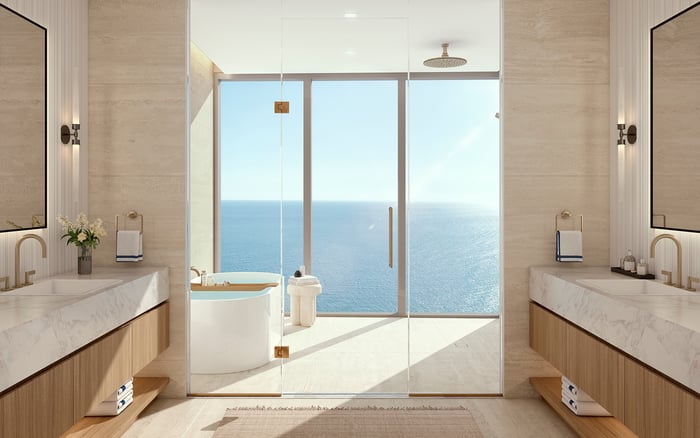
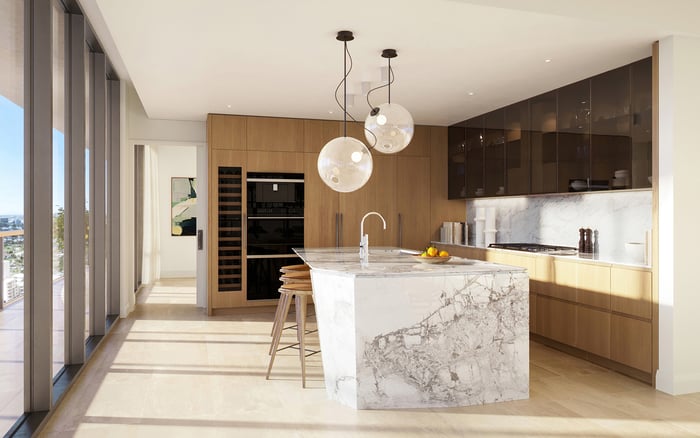
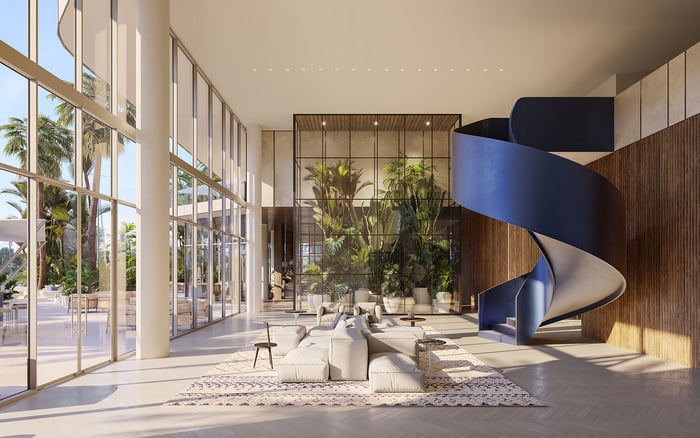
Two branded Pompano Beach developments present distinct interpretations of residential discretion: one led by design cohesion, the other by an established service framework.
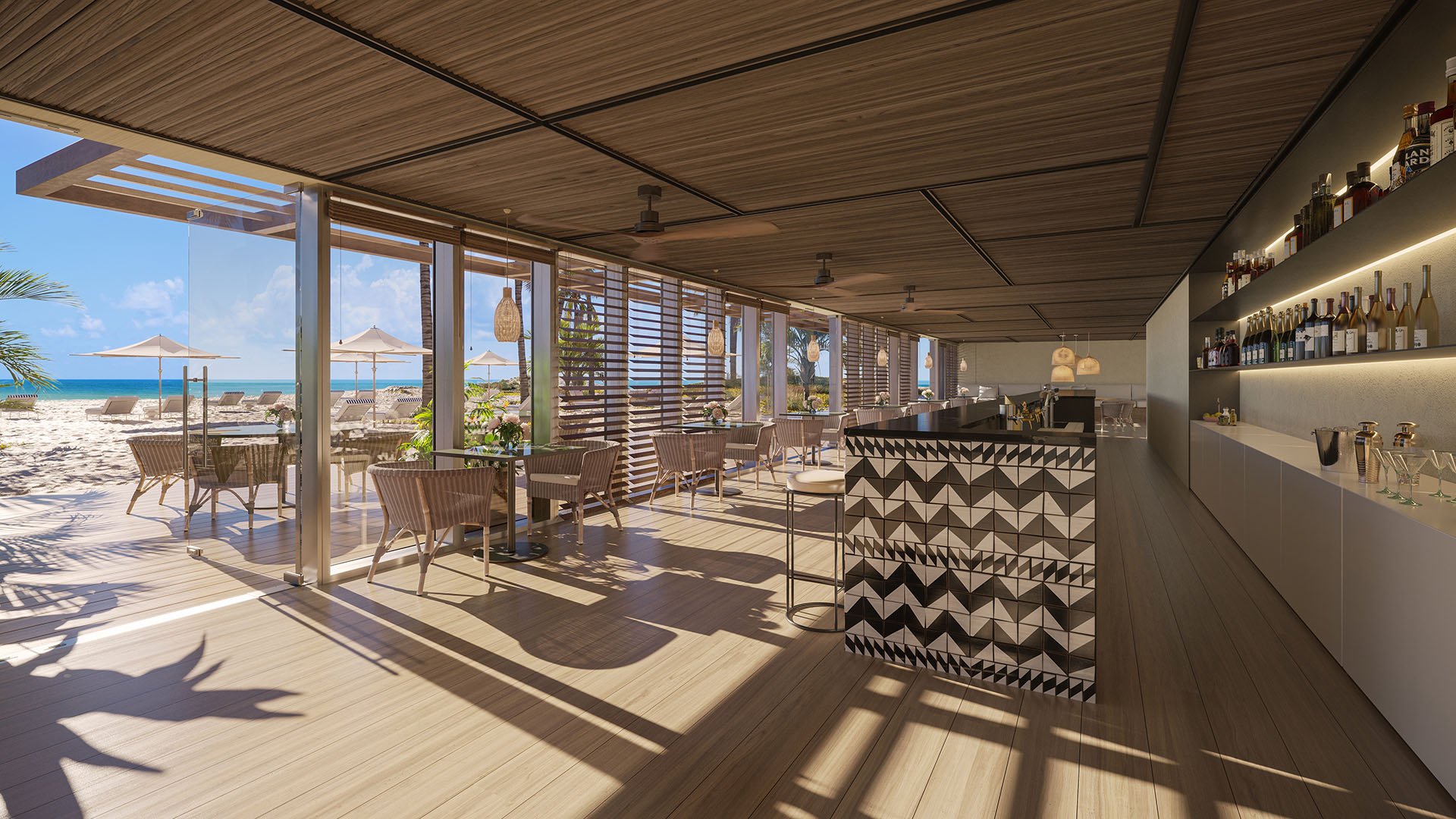
For luxury buyers, privacy is often framed in architectural terms: protected views, generous separation and interiors that feel removed from the world beyond. Residential discretion is broader. It encompasses the full passage from arrival to residence, including access control, encounters with staff and neighbors, guest movement, amenity circulation and exposure to the public.
That distinction makes Armani Casa Residences Pompano Beach and The Ritz-Carlton Residences® Pompano Beach particularly relevant. Both bring branded private ownership to the same South Florida coastal market, yet they approach the concept from different directions. Armani/Casa presents a design-led proposition in an oceanfront setting. The Ritz-Carlton applies a service-oriented luxury identity to residential ownership.
Neither brand name should be treated as an automatic guarantee of privacy. Discretion ultimately depends on how architecture, staffing and condominium policies work together in daily life.
At Armani Casa, the central appeal for a discretion-minded buyer lies in the relationship among private residences, an oceanfront setting and the Armani/Casa design identity. Aesthetic restraint and visual cohesion can contribute to a low-profile experience, particularly for an owner who considers atmosphere inseparable from privacy.
The essential question is how that sensibility carries into operations. Buyers should examine whether the arrival sequence, circulation and shared spaces support the composed residential experience suggested by the design language. The most revealing moments are often practical: arriving with guests, moving between a residence and the amenities, receiving deliveries and interacting with building personnel.
The Ritz-Carlton proposition begins elsewhere. Its relevance lies in combining private ownership with an established luxury-service framework. For buyers who value assistance without conspicuousness, service can become an important instrument of discretion. Effective residential service anticipates needs while preserving boundaries and minimizing unnecessary friction.
The point requiring particular attention is the distinction between private residential service and the public traffic often associated with hospitality environments. A buyer should understand precisely which spaces, personnel and operating practices are residential, and how resident movement is managed relative to any other activity.
Because both properties occupy the same coastal market, buyers can compare their philosophies without allowing distinctions between separate South Florida submarkets to dominate the decision. That shared Pompano Beach context places design, service and operations at the center of the evaluation.
It also helps to consider the two within a broader local set. Ocean 580 Pompano Beach gives buyers another residential name to examine, while W Pompano Beach Hotel & Residences and Waldorf Astoria Residences Pompano Beach broaden the branded conversation. Their presence underscores why branded residences should be compared by operating model rather than brand recognition alone.
The useful question is not which identity appears more prestigious. It is which residential system best matches the owner’s preferred level and style of interaction.
A serious review begins at the entrance. Buyers should request current details on entry protocols for residents, visitors, vendors and deliveries. The goal is to understand not only who can enter, but also where different users wait, check in and circulate.
Elevator configuration deserves equal scrutiny. Confirm how residents, guests, staff and service providers move through the property, including any transfers or shared corridors. Architecture can create separation, but operating rules determine whether that separation remains meaningful throughout the day.
Staff access should be reviewed with precision. Ask who may enter residential areas, under what circumstances and with what authorization. Buyers seeking a low-profile lifestyle may also want clarity on how requests are recorded, how keys or access credentials are controlled and how in-residence service is scheduled.
Amenity circulation can reveal a building’s true social character. A beautifully appointed shared space may still feel exposed if routes concentrate residents, visitors and personnel in the same places. Tour likely paths rather than assessing amenities solely from presentation materials.
Finally, examine guest policies and rental rules in current offering documents and condominium materials. These policies can influence the number of unfamiliar faces, the rhythm of arrivals and the consistency of front-of-house procedures. Residential discretion is not a standardized rating, so assumptions should yield to written rules and direct confirmation.
The decision is less a contest than a question of personal operating style. Armani Casa may speak more directly to the buyer who sees design cohesion and aesthetic restraint as foundations of privacy. The Ritz-Carlton may suit the buyer who wants discretion reinforced by a recognizable service culture.
In either case, the strongest purchase decision will reconcile the residence’s identity with its actual patterns of access, movement and interaction. Luxury can be seen immediately. Discretion becomes clear only after studying how a building behaves.
What does residential discretion mean in a luxury condominium? It describes privacy across the complete residential experience, including access, circulation, staffing, guests and public exposure.
Is residential discretion an official developer rating? No. It is an analytical concept, and buyers should verify relevant features through current documents, rules and direct inquiries.
Why compare these two Pompano Beach properties? Both offer branded private ownership in the same coastal market, allowing buyers to focus on differences in design and service orientation.
How does Armani Casa approach the discretion conversation? Its relevance comes from combining private residences, the Armani/Casa design identity and an oceanfront setting.
How does The Ritz-Carlton approach it? Its proposition combines private residential ownership with the brand’s established service-oriented positioning.
Does a luxury brand automatically ensure privacy? No. Access design, resident density, operating policies and rental rules may matter more than branding alone.
What should buyers ask about building entry? Ask how residents, guests, vendors and deliveries are authenticated, received and directed through the property.
Why is elevator configuration important? Elevator and corridor arrangements shape how frequently residents encounter guests, staff, service providers and other occupants.
Which policies can most affect day-to-day discretion? Guest procedures, staff access, amenity rules and rental restrictions can materially shape residential traffic and visibility.
Which property is better for a discretion-focused buyer? The answer depends on whether the buyer prefers a design-led environment or a service-led framework, subject to verified operations.
For a tailored shortlist and next-step guidance, connect with MILLION.
If branded residences are on your mind — as a home or as an allocation — we would be glad to share what we are seeing, privately.
Begin a quiet conversation