Storage deserves the same scrutiny as a residence’s principal rooms. For Hillsboro Beach buyers, legal assignments, environmental controls, bicycle policies, and seasonal inventories can reveal obligations that an amenity description leaves unresolved.

The least photographed spaces in a Hillsboro Beach residence can warrant the closest scrutiny. An owner closet, storage enclosure, or bicycle room may promise an uncluttered interior and effortless seasonal living. Yet an amenity description alone does not establish who controls the space, what conditions it maintains, or which expenses accompany its use.
For a buyer, the distinction is between advertised storage and documented rights, operating conditions, and costs. No storage-specific ownership-cost figures are established here. Rather than assign an assumed premium to an extra room or locker, evaluate its legal status, physical suitability, recurring obligations, and usefulness to your household.
Treat terms such as “storage space,” “private storage,” and “bicycle storage” as starting points for questions, not complete descriptions of an ownership arrangement. Ask whether each facility is assigned to the residence, shared, separately rented, or subject to availability. Then establish whether any environmental controls are documented.
A precise parking allocation does not establish an equally precise storage allocation. Review each supporting space independently rather than assuming that one amenity’s terms apply to another.
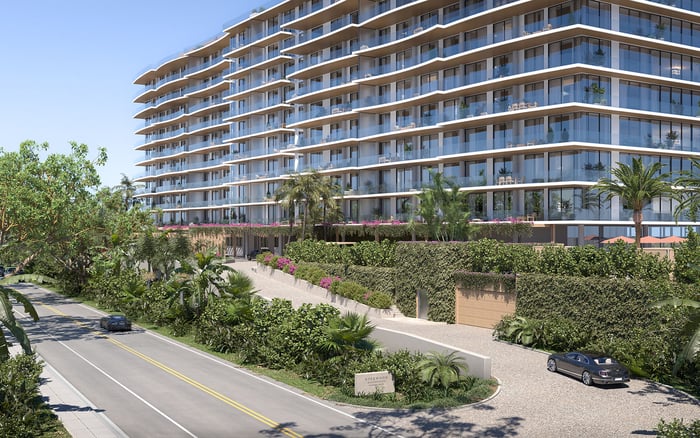
If Rosewood Residences Hillsboro Beach is on your shortlist, request the current documents governing any storage included in your proposed purchase. This is a diligence recommendation, not confirmation of a particular storage offering, specification, or fee.
“Owner closet” describes a function; it does not establish a documented right. Ask counsel to review the deed, declaration, condominium plan, amendments, and assignment records. Establish whether the enclosure falls within the residence’s boundaries, is assigned for exclusive use, or is available through another arrangement.
The questions are practical: Does this specific space accompany the purchase? Can its assignment change? Is separate approval or payment required? Can the seller transfer the right being represented? Identify the actual enclosure during the inspection, then reconcile its number, location, and dimensions with the relevant records.
If you intend to lock personal belongings away during absences, confirm who may enter and under what circumstances. Do not assume that a lock establishes exclusive control or that the seller’s use automatically continues after closing. Resolve discrepancies before assigning value to the space.
Distinguish access to a shared storage room from an assigned enclosure within it. Ask management to identify the precise space, explain how allocations are recorded, and confirm any availability limits. A general reference to a bike room should not substitute for confirmation that it can accommodate your household’s bicycles.
For a Hillsboro Beach purchase, request the applicable fee schedule, association budget, reserve study, and relevant board minutes. Ask whether storage carries rental, registration, access, or replacement-key charges, and whether maintenance is paid through common expenses or another arrangement. These are questions to investigate, not established charges for any particular building.
Where costs are shared, ask which budget items cover the storage area and whether any planned work affects it. Where a separate agreement applies, review its duration, renewal terms, and termination provisions with counsel.
Conditioned storage warrants more than reassurance that a room feels cool. Confirm the enclosure’s physical location, usable dimensions, HVAC service, humidity controls, and access arrangements. Ask who maintains the equipment, who pays for electricity, and what happens when service is interrupted.
Request available leak history and inspection records. Walk the route from the residence or garage to the storage area with the intended contents in mind. An accessible room may still be unsuitable for an oversized bicycle case or another bulky possession.
Apply the same scrutiny to Ocean 580 Pompano Beach if that project is on your shortlist. This is a diligence standard, not a claim about its storage offering. Compare documented conditions and responsibilities rather than amenity labels, and ask an insurance adviser whether the intended belongings and their storage location are covered.
A bicycle room’s usefulness depends on more than its presence. Request current capacity, any waiting list, numbered-space arrangements, registration requirements, and procedures for removing abandoned bicycles. Clarify whether owners may keep multiple bicycles and whether seasonal absences affect an allocation.
For electric bicycles, obtain the admission and battery-charging rules in writing. Confirm whether charging is permitted, where it may occur, and whether separate restrictions apply to batteries. Resolve these questions before making a purchase around a particular cycling routine.
Historical amenity descriptions also require care. Ask management to confirm today’s rules and space allocation rather than relying on a previous listing or the seller’s past use.
A seasonal residence benefits from a repeatable inventory protocol. Photograph stored belongings, record serial numbers and replacement values, and identify each item’s exact location. Keep the record accessible away from the property, with supporting receipts where available.
Before departure, reconcile the inventory with what remains in the residence, owner closet, separate storage area, and bicycle room. Record visible condition and arrange a documented inspection after arrival. If someone will check the property during an absence, agree beforehand on access, scope, reporting, and any associated fee.
These are recommended owner practices, not verified building services. Buyers also weighing Alina Residences Boca Raton can apply the same inventory discipline without assuming either property provides inspections or contents management.
Before closing, assemble a concise storage file: controlling documents, confirmed assignment, measurements, operating rules, applicable charges, insurance answers, and inspection findings. Separate established obligations from unresolved questions. If a future cost cannot be quantified, do not quietly treat it as zero.
The objective is not maximum storage at any price. It is a residence whose supporting spaces accommodate your possessions, travel pattern, and expectations-with clear responsibilities. In an otherwise polished purchase, that clarity is a meaningful form of convenience.
For a discreet assessment of how storage and seasonal living fit your property search, connect with MILLION.
If branded residences are on your mind — as a home or as an allocation — we would be glad to share what we are seeing, privately.
Begin a quiet conversationDo not assume so from the description alone. Ask counsel to review the deed, declaration, condominium plan, amendments, and assignment records to establish legal status and transferability.
Ask whether each space is assigned, shared, rented separately, or subject to availability. Confirm its location and operating conditions independently of the amenity label.
Do not treat shared access as confirmation of a reserved space. Request written confirmation of the specific allocation and any availability limits.
Confirm that the specific enclosure accompanies the purchase and identify who may access it. Reconcile its location and dimensions with the controlling records.
No storage temperature or humidity specifications are established in this article. Request current written specifications for any storage offered with the proposed purchase.
Ask about any rental, registration, access, electricity, maintenance, and replacement-key charges. No storage-specific ownership-cost figures are established here.
Confirm capacity, waiting lists, registration, numbered spaces, and abandoned-bike procedures. Obtain separate written rules for electric bicycles and battery charging.
No, a previous description does not establish current access or allocation. Ask management to confirm the applicable rules and availability.
Include photographs, serial numbers, replacement values, and exact storage locations. Document condition at departure and arrival, keeping the record accessible away from the property.
No. Ask an insurance adviser to confirm coverage for the intended contents and storage location, including relevant terms and limitations.