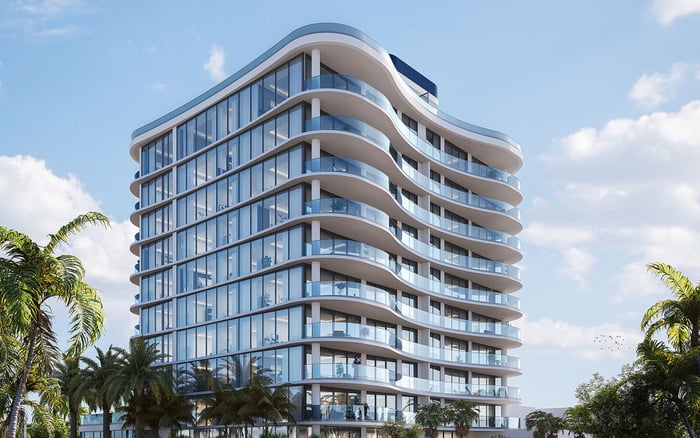
A residence-specific approach to evaluating quiet in Hillsboro Beach, from private elevator entries and equipment rooms to amenity decks, service routes, and road exposure.
In Hillsboro Beach, privacy deserves the same scrutiny as a view, a floor plan, or a beautifully detailed arrival. Acoustic comfort is a residence-specific question: what sits beside the bedroom, what operates below the terrace, and what happens when the building is fully in use?
For buyers considering a residence here, the starting point is not a promise of silence. It is an adjacency map, a series of listening visits, and written answers about equipment and operations. An amenity list identifies what to investigate; it neither establishes a noise problem nor proves acoustic isolation.
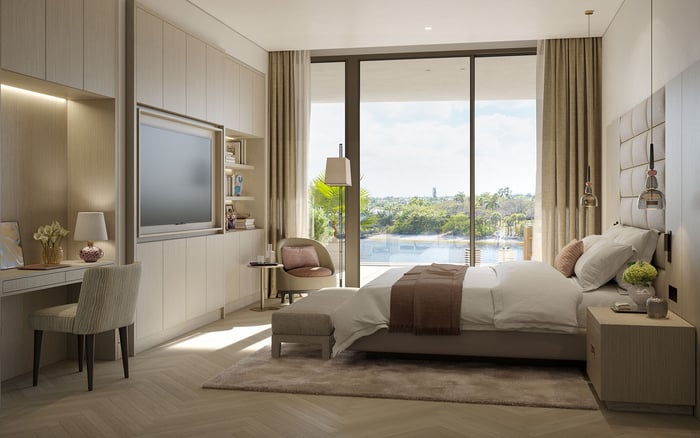
Define your priorities before touring. A light sleeper, an early riser, and someone who regularly works from home may weigh the same sound differently. Identify the rooms and hours that matter most.
Ask for plans showing the residence and the spaces immediately beside, above, and below it. Mark elevator shafts, entry lobbies, service corridors, mechanical rooms, parking access, and amenity areas. Include rooftop uses and equipment locations rather than stopping at the unit's floor plate.
If considering Rosewood Residences Hillsboro Beach, request the plans for the specific residence and identify passenger and service circulation separately. Verify the access arrangement rather than assuming that a private arrival eliminates shared infrastructure nearby.
Where a residence includes a private outdoor area, summer kitchen, or pool, ask where associated equipment sits relative to your rooms and neighboring homes. Do not infer a particular unit's relationship to these features without reviewing its plans.
A private elevator entry describes an access arrangement, not a guarantee of quiet. Locate the shaft, landing, doors, and any associated equipment relative to sleeping and working spaces.
During a permitted visit, ask management to coordinate normal elevator operation while you listen inside the residence. Compare the foyer, living area, and bedrooms. Note whether an audible event coincides with a door movement, an arrival, or another activity, without diagnosing the cause yourself.
Review service circulation as well as passenger access. Ask how deliveries, housekeeping, and maintenance reach the floor, and whether their routes pass rooms where quiet matters most. A route warrants investigation; its presence does not establish a disturbance.
Ask where mechanical equipment is installed, what serves the residence, and what serves the wider building. Request approved plans, acoustic specifications, equipment-isolation details, maintenance records, and any available engineering assessments of relevant concerns.
Listen while systems operate normally. Record the room, time, duration, and character of anything noticeable, including a hum or vibration. Ask management to help identify the operating equipment rather than assuming a nearby room is responsible.
If uncertainty remains, consider an independent acoustic specialist. Ask for a testing scope tied to the specific concern and operating conditions. A buyer's listening notes should frame the inquiry, not substitute for professional measurement or establish whether construction meets a particular standard.
For any pool deck, fitness room, spa, court, lounge, or meeting space shown on the building plans, identify its relationship to the residence. Consider both the activity area and its supporting equipment, entrances, and service routes.
Request written clarification of operating hours and access arrangements. Planned features do not establish current completion or operating status. Distinguish plan-based review from conditions you can experience firsthand.
Where amenities are operating and access is permitted, ask to visit during ordinary use, not only when those spaces are empty. Listen in the rooms nearest the activity and record what was actually happening during the visit.
Treat the terrace as a distinct listening location. Compare it with the living room and primary bedroom, first with exterior openings closed and then open. Note the activity occurring during each comparison.
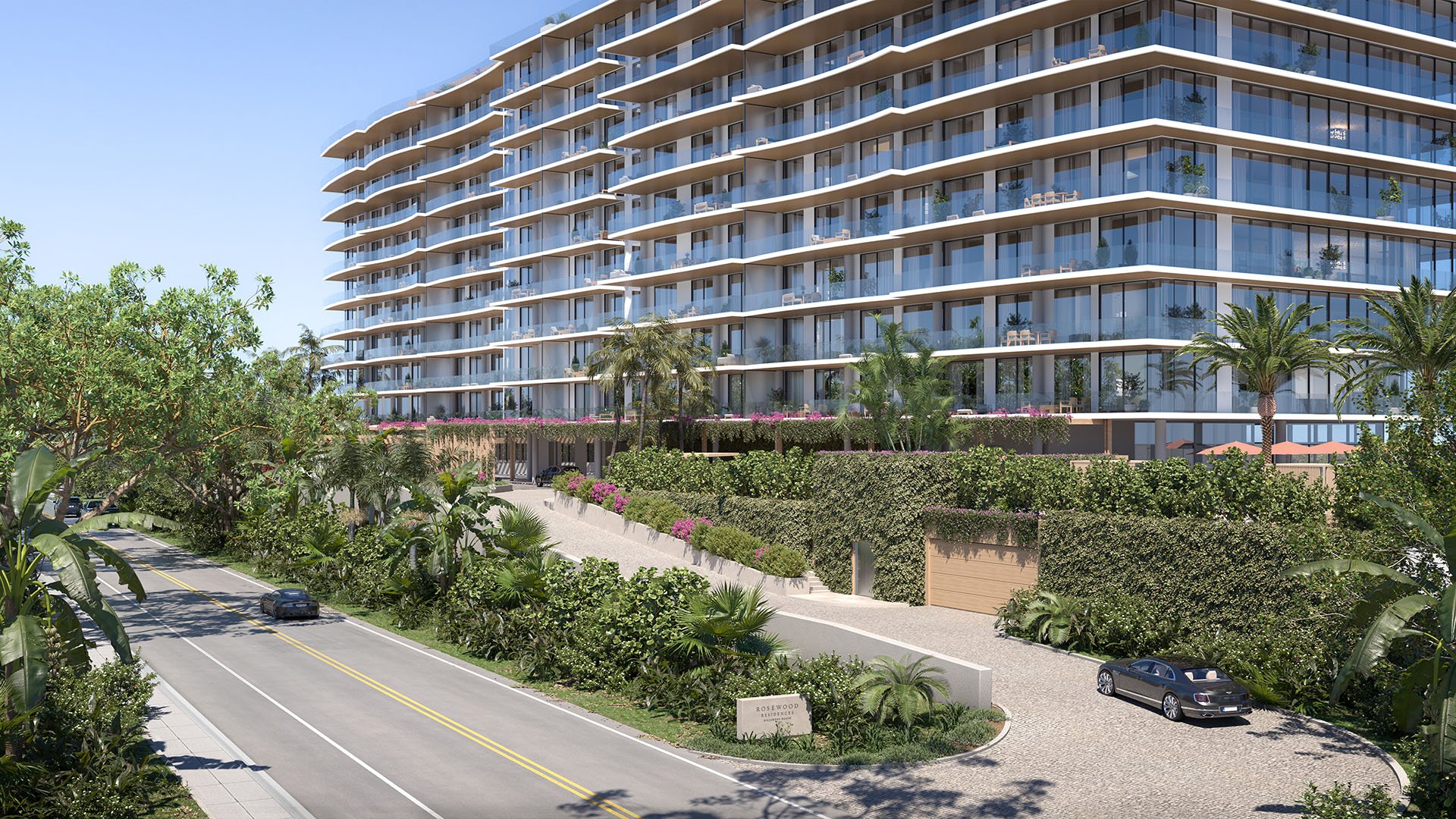
For traffic, verify the residence's orientation and its relationship to the roadway and access points. There is no basis here for assigning a Hillsboro Mile decibel level or assuming exposure from an address alone. Observe conditions at the specific unit rather than generalizing about the corridor.
Include parking circulation, arrival areas, loading routes, and any dock access in the review where applicable. Their presence warrants questions, not a presumption of noise.
Request available board minutes, reserve studies, maintenance records, noise-complaint history, and documentation of relevant corrective work. Ask for written clarification of amenity hours, sound rules, enforcement practices, and any unresolved matters affecting the residence under consideration.
Map the actual locations of shared recreation and gathering spaces before deciding which activities deserve a targeted return visit.
Organize findings by issue: the adjacency, your observation, management's explanation, and the supporting document. Keep unanswered questions visible rather than accepting a reassuring verbal response as closure. The objective is a coherent picture of daily use, not an assumption that every shared facility creates a problem.
Schedule daytime, evening, and early-morning visits where access permits. Return to the same rooms, note whether openings are closed or open, and record which amenities, elevators, and systems were active. A quiet visit with little activity should remain just that: one observation.
If your search also includes Ocean 580 Pompano Beach, carry the same room-by-room checklist into that evaluation. The aim is a consistent standard of inquiry, not an acoustic comparison between projects.
Likewise, a buyer considering Alina Residences Boca Raton should request unit-specific evidence rather than transfer conclusions from a Hillsboro Beach visit. Before making a final decision, separate documented answers from open questions and decide which uncertainties require further inspection or specialist testing.
For a considered approach to your South Florida residence search, connect with MILLION.
If branded residences are on your mind — as a home or as an allocation — we would be glad to share what we are seeing, privately.
Begin a quiet conversationNo; it describes an access arrangement, not an acoustic guarantee. Buyers should still review shaft and equipment locations and listen during normal elevator operation.
Mark spaces beside, above, and below the residence, including elevator shafts, mechanical rooms, amenities, service routes, parking access, and rooftop uses.
Request residence-specific plans and verify passenger and service access arrangements. Locate shafts, landings, and associated equipment relative to bedrooms and working spaces.
Review plans and request written clarification of intended operations and service routes. Treat that review separately from an on-site listening assessment of operating facilities.
Seek daytime, evening, and early-morning visits where access permits. Note which elevators, amenities, and mechanical systems are operating during each visit.
Listen on the terrace and compare conditions inside the living room and bedroom with exterior openings closed and open. Record the activities occurring during each comparison.
Request approved plans, acoustic specifications, equipment-isolation details, maintenance records, and relevant engineering assessments. Seek written explanations for unresolved observations.
An amenity's presence identifies an adjacency to investigate, not a verified disturbance or measured in-unit sound level.
Verify the unit's orientation and relationship to the roadway and access points, then observe conditions from the residence itself. An address alone does not establish acoustic exposure.
Consider it when listening visits and written answers leave a material concern unresolved. Ask an acoustic specialist to define testing around the specific issue and relevant operating conditions.