
A discreet, buyer-focused look at why acoustic calm has become one of the clearest signals of authentic wellness design in South Florida luxury real estate.
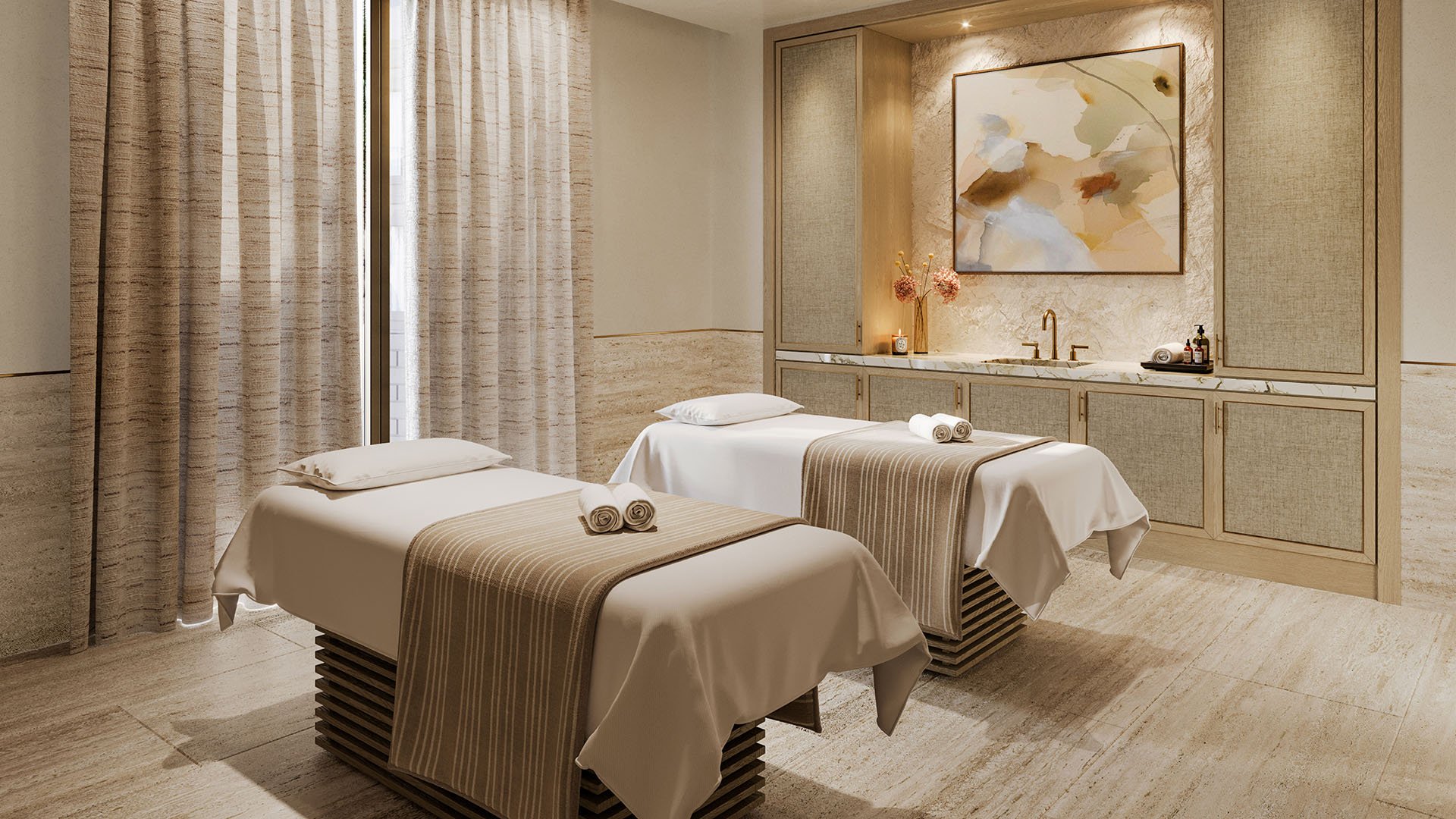
In South Florida luxury real estate, wellness is often introduced through visible cues: spa suites, treatment rooms, fitness studios, plunge pools, meditation terraces, steam rooms, and recovery lounges. These amenities can be valuable, especially when they are well operated and elegantly integrated. Yet the most persuasive wellness feature is often the one a buyer cannot easily photograph: acoustic calm.
Acoustic calm is not absolute silence. A home can feel alive, connected to light, water, and city energy, while still protecting its interiors from unwanted intrusion. True quiet is the ability to sleep deeply, read without strain, hold a private conversation, and recover from a demanding day without the residence itself adding friction.
For the most discerning buyers, that distinction matters. Amenity marketing can be persuasive in a presentation gallery. Acoustic performance becomes persuasive only after the door closes.
Luxury buyers increasingly understand that a residence is not merely a place to display taste. It is also a private operating system for the body. The best homes reduce small stresses before they accumulate: vibration from mechanical systems, corridor noise, elevator activity, traffic rhythm, wind pressure, pool-deck sound, and conversations carrying through shared walls.
None of these issues needs to be dramatic to alter the experience of a home. A faint hum in a bedroom, a sharp echo in a living room, or a door that transmits hallway movement can subtly change how a residence feels. The buyer may not immediately identify the problem as acoustic, but the body registers it.
This is why acoustic calm separates real wellness from amenity marketing. A massage room may impress during a tour. A quiet primary suite earns loyalty every night. A fitness center may support health. A home that allows the nervous system to settle supports it continuously.
The most elegant due diligence begins with listening. Buyers often focus on views, finishes, ceiling height, and terrace depth. Those remain essential. But before committing, they should also pause in each major room and ask a more intimate question: does this space feel restful when no one is speaking?
In bedrooms, listen for mechanical sound, plumbing movement, exterior activity, and noise transfer from adjacent rooms. In living areas, notice whether hard surfaces create brightness or fatigue. In bathrooms, consider whether exhaust, water flow, and echo affect the sense of calm. On terraces, listen not only to the view, but to the soundscape that accompanies it.
Privacy is part of this equation. A residence can be beautifully finished and still fail if conversations feel exposed. The most refined homes make privacy feel effortless, not defensive. Doors close with confidence. Rooms hold sound gracefully. Shared areas do not announce themselves inside private space.
South Florida’s luxury geography makes acoustic judgment especially important. Buyers may compare Brickell energy, Miami Beach resort living, Coconut Grove canopy, Sunny Isles vertical waterfront residences, oceanfront exposure, and new-construction opportunities within the same search. Each setting has its own sound profile, and each requires a different kind of discernment.
In dense urban districts, the question is not whether the neighborhood has movement. It is whether the residence filters that movement into something livable. In waterfront settings, wind, terraces, pools, service areas, and social spaces can shape daily experience as much as the view itself. In lower-scale enclaves, the concern may shift toward privacy between homes, gardens, driveways, and outdoor entertaining areas.
A buyer who values quiet should not assume that a prestigious address automatically provides it. Nor should the buyer assume that lively surroundings are incompatible with calm interiors. The best residences manage transition: arrival to lobby, lobby to elevator, elevator to entry, entry to living space, living space to bedroom. Wellness is not one room. It is the continuity of relief.
Amenity marketing often begins with inventory. It asks how many features can be named. Wellness design begins with behavior. It asks how a resident will actually live, recover, host, sleep, exercise, work, and retreat.
That difference is crucial. A building can offer an impressive collection of wellness spaces while the private residence remains acoustically thin. Conversely, a quieter, more carefully planned home may deliver a superior daily wellness experience even with a more restrained amenity program. The issue is not whether amenities matter. The issue is whether they are supported by the architecture of calm.
Real wellness has layers. It includes light, air, proportion, materiality, circulation, privacy, and sound. Acoustic calm is especially revealing because it is difficult to fake once occupied. A render can show serenity. A brand narrative can describe serenity. But a completed room either allows serenity or it does not.
A buyer should experience a residence at more than one time of day when possible. Morning, late afternoon, and evening can reveal different patterns. Elevator usage, deliveries, pool activity, neighboring routines, traffic, and building operations may all vary. A single quiet moment is reassuring, but consistency is more meaningful.
It also helps to stand still. Many showings are choreographed around movement: entry, view, kitchen, terrace, primary suite. Acoustic issues often reveal themselves only when the tour slows down. Spend a full minute in the primary bedroom. Close interior doors. Step onto the terrace and return inside. Notice whether the home resets quickly or carries noise with it.
Buyers should also distinguish between decorative softness and structural quiet. Rugs, drapery, upholstered furniture, and art can improve comfort, but they are not substitutes for thoughtful planning. The strongest homes combine architectural separation, careful glazing, refined mechanical design, and interior materials that reduce fatigue without feeling padded or overmanaged.
Quiet has always been part of luxury, but it is becoming more legible. In an always-on world, the ability to withdraw without leaving the center of culture is a genuine privilege. South Florida buyers are not simply purchasing square footage or amenities. They are purchasing the quality of their mornings, the privacy of their evenings, and the ease with which home restores them.
That is why acoustic calm deserves a place beside view, location, design pedigree, and service. It is not a technical footnote. It is the invisible architecture of wellbeing. When it is present, buyers may describe a home as elegant, composed, or unusually comfortable. When it is missing, even the most spectacular residence can feel unsettled.
For the ultra-premium audience, the lesson is simple: do not let wellness be defined only by what appears on an amenity list. Listen to the residence. The truest luxury may be the moment when the city, the shoreline, and the world beyond the door recede, leaving the home to do what it was always meant to do.
What is acoustic calm in a luxury residence? It is the experience of controlled, comfortable sound inside the home. It supports privacy, rest, focus, and a more composed daily rhythm.
Is acoustic calm the same as complete silence? No. It is not about eliminating all sound, but about reducing intrusive noise and creating a stable, restful interior atmosphere.
Why does acoustic calm matter for wellness real estate? Wellness depends on recovery, sleep, and reduced friction. A noisy residence can undermine those benefits even when the amenity program is impressive.
What should buyers listen for during a showing? Listen for mechanical hum, hallway activity, exterior noise, plumbing movement, echo, and sound transfer between rooms. The primary suite deserves special attention.
Can furnishings improve acoustic comfort? Yes, soft furnishings can help absorb sound and reduce echo. They should complement, not replace, strong architectural and building-level performance.
Are waterfront residences naturally quieter? Not always. Waterfront homes can be serene, but wind, terraces, pool areas, and outdoor social spaces may influence the soundscape.
Does new construction guarantee better acoustic performance? No. New construction may offer advantages, but buyers should still evaluate the actual lived experience of each residence.
How does privacy relate to acoustic calm? Privacy is both visual and acoustic. A truly private home allows conversation and rest without feeling exposed to neighbors or shared spaces.
Should acoustic calm affect resale thinking? Yes. Homes that feel composed and restful can have broader long-term appeal, especially among buyers who value wellness beyond surface amenities.
What is the simplest test for acoustic quality? Stand quietly in the rooms where you will sleep, work, and recover. If the home feels settled without effort, that is a meaningful signal.
For a tailored shortlist and next-step guidance, connect with MILLION.
If branded residences are on your mind — as a home or as an allocation — we would be glad to share what we are seeing, privately.
Begin a quiet conversation

.jpg&width=700&height=438&fit=cover)