A practical examination of how residence layouts, flexible rooms, shared amenities, and building operations can shape multigenerational privacy, guest stays, and caregiver logistics for Sydney buyers considering Pompano Beach.
For Sydney buyers considering Pompano Beach, the meaningful change is not simply a move from one coastal city to another. It is an opportunity to reconsider how a residence could accommodate adult children, ageing parents, visiting relatives, and paid support without making everyone feel permanently under one roof.
The comparison should remain qualitative. Rather than focusing only on bedroom count, buyers can evaluate private zones, flexible rooms, shared amenities, arrival sequences, and possible overflow lodging. These considerations are especially relevant to a second home that must feel serene during quiet periods and function smoothly when family arrives or care needs change.
A residence with several bedrooms does not automatically create genuinely private domains. Buyers should trace the route from each sleeping area to bathrooms, living spaces, elevators, and the entrance. Separation between the primary suite and secondary rooms may support greater independence, while direct exposure to busy social areas can reduce privacy.
Single-level living may be easier for relatives who prefer to avoid internal stairs, but accessibility should never be inferred from a marketing plan. Buyers should verify elevator arrangements, backup procedures, doorway clearances, bathroom layouts, and emergency protocols with the appropriate project representatives and advisers.
At W Pompano Beach Hotel & Residences, prospective purchasers can compare available plans by examining room placement, circulation, bathroom access, storage, and acoustic separation. The same test should be applied to every candidate residence rather than relying on overall size alone.
Terraces and powder rooms can also affect daily privacy. A separate outdoor area may offer an additional setting when the main living room is occupied, while a conveniently placed guest bathroom can limit traffic through private bedroom areas.
Sydney owners should decide whether they are preparing for routine co-residence or periodic family visits. Regular stays may justify a dedicated secondary suite with practical storage and bathroom access. Occasional visits may make a flexible room or separately booked nearby accommodation more appropriate, provided the relevant terms are confirmed.
Any hotel or short-stay component associated with a residential building should be treated as a separate operational consideration. Availability, rates, reservation rules, owner privileges, and access arrangements may change, so buyers should not assume that overflow lodging will always be available.
Flexible rooms require equal scrutiny. Labels such as “den” or “convertible” do not establish that a room is suitable or approved for sleeping. Buyers should confirm ventilation, egress, doors, sound separation, storage, and bathroom access before assigning the space to a grandparent, guest, or overnight caregiver.
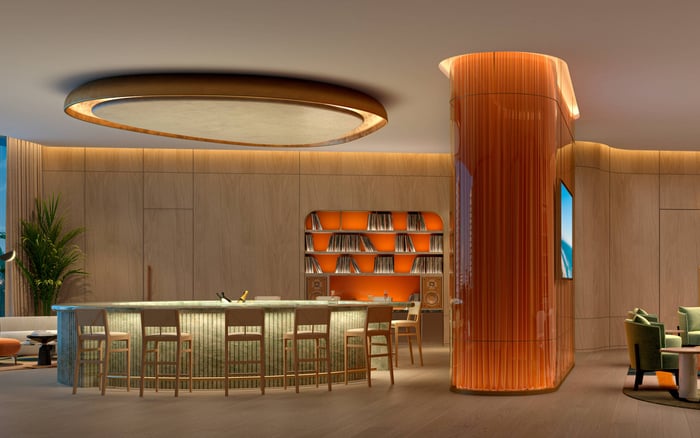
For a multigenerational household, shared amenities may provide alternative settings for recreation, conversation, work, or quiet time. Their practical value depends on access rules, capacity, privacy, and how easily different family members can move between the residence and common areas.
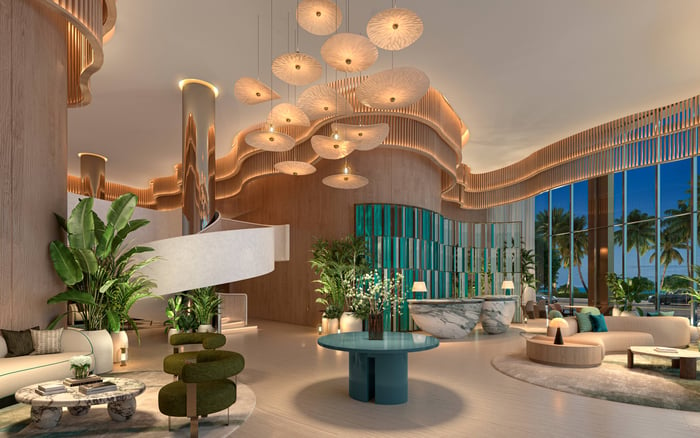
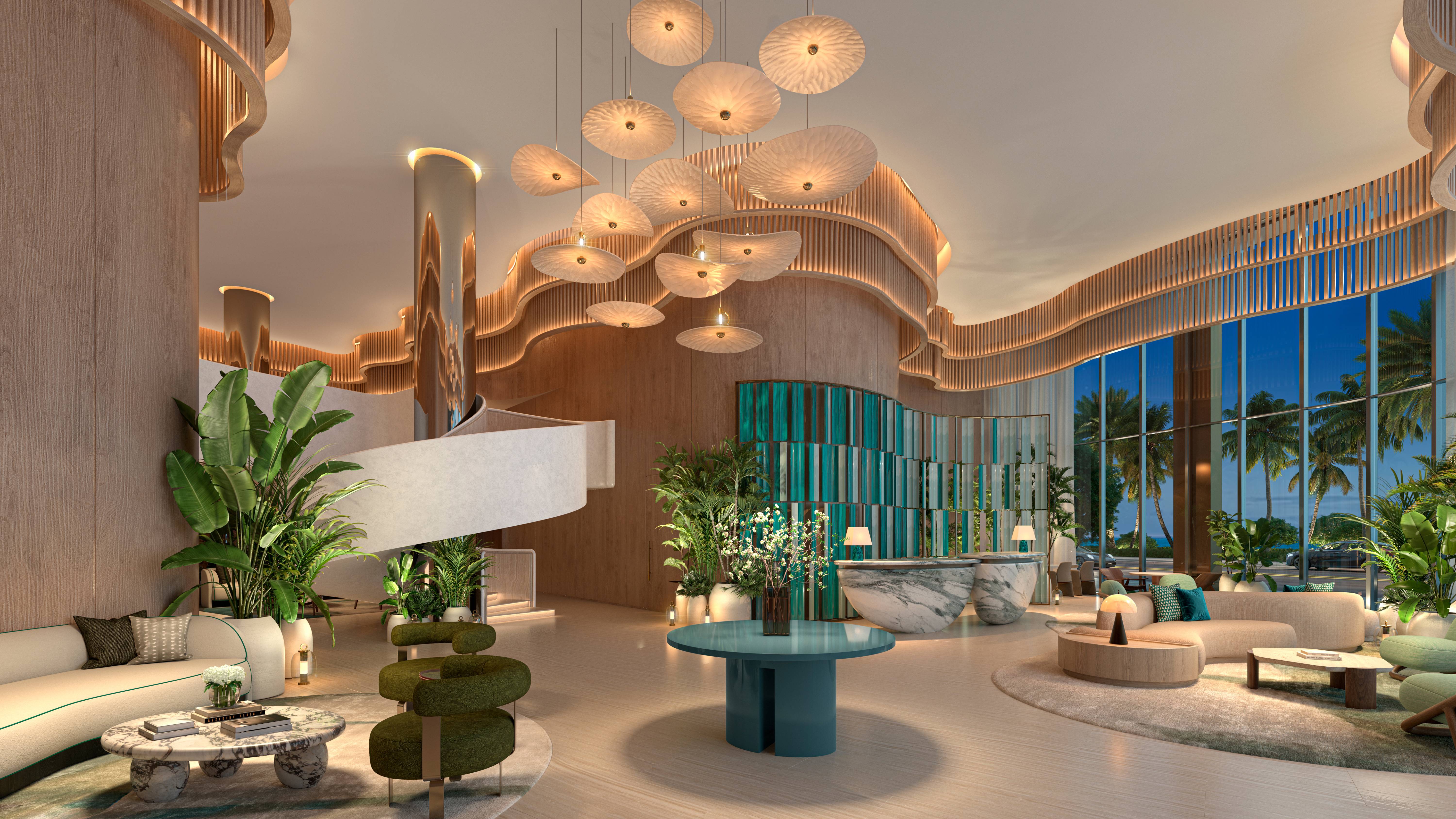
When evaluating Waldorf Astoria Residences Pompano Beach, buyers can focus on how arrival arrangements, common spaces, and residence access would function for relatives and caregivers. The important question is whether everyday movement can occur without repeatedly crossing the household’s most private areas.
An oceanfront option such as Casamar can be assessed through the same multigenerational lens. Buyers should consider whether common areas complement the residence and whether guest policies support the family’s likely patterns of use.
Operational details matter as much as design. Ask about guest registration, access credentials, accompanied-guest policies, private-event rules, parking procedures, and the routes caregivers may use. Written clarification is preferable to assumptions based on renderings or general amenity descriptions.
The central decision is whether support would be live-in, occasional overnight, or scheduled on demand. A live-in caregiver may need a suitable private room, convenient bathroom access, storage, and a respectful route through the home. Occasional coverage may place different demands on the plan, but the proposed sleeping space still requires careful verification.
Buyers should also clarify how outside caregivers, nurses, nannies, housekeepers, or drivers would enter the property. Relevant questions include registration, credentials, parking, after-hours access, elevator procedures, owner authorization, and emergency communication. Policies and service arrangements should be confirmed directly rather than assumed.
The complete arrival sequence deserves a practical test: vehicle arrival, building registration, elevator access, residence entry, and departure. A well-designed home may still prove inconvenient if each care visit creates repeated delays or compromises household privacy.
Before committing, stage several realistic scenarios on the floor plan: a short family visit, an extended stay by an ageing parent, and an overnight care requirement. Assign each person a sleeping space, bathroom route, luggage area, quiet zone, and entry procedure. Repeat the exercise during busy periods such as breakfast and bedtime.
This process can reveal whether a home offers functional privacy or merely generous-looking rooms. It also helps buyers decide whether they value a more independent secondary suite, a flexible room, a larger terrace, or dependable access to separately booked accommodation. The strongest choice will be the residence that can adapt calmly as family arrangements evolve.
Is a den suitable for an overnight caregiver? It may be, but buyers should verify privacy, ventilation, egress, bathroom access, and whether sleeping use is permitted.
Is nearby short-stay lodging guaranteed for visiting relatives? No. Availability, rates, booking restrictions, and access terms should be confirmed before relying on it.
Why can single-level plans help ageing parents? They avoid internal stairs, although buyers must still verify elevators, bathrooms, clearances, and emergency procedures.
Does a larger residence automatically provide more privacy? No. Bedroom separation, bathroom access, acoustics, storage, and circulation can be more consequential than overall size.
What bathroom arrangement can work well for guests? Convenient access to a secondary bathroom or powder room may reduce traffic through private bedroom areas.
How can shared amenities support multigenerational living? They may provide additional places for recreation, conversation, work, or quiet time outside the residence.
What should buyers verify about caregiver access? They should confirm registration, credentials, parking, after-hours entry, elevator procedures, authorization, and emergency communication.
Should a visiting grandparent have a dedicated room? A dedicated secondary room may be preferable for frequent or extended stays, subject to the relative’s mobility and privacy needs.
Can a terrace provide meaningful additional family space? It may serve as a separate social or quiet area, depending on its configuration, comfort, and building rules.
How should Sydney buyers compare candidate residences? They should test each plan against realistic family visits, care arrangements, storage needs, access procedures, and daily routines.
For a discreet conversation and a curated building-by-building shortlist, connect with MILLION.
If branded residences are on your mind — as a home or as an allocation — we would be glad to share what we are seeing, privately.
Begin a quiet conversation