For collectors relocating from Tokyo to Coral Gables, the right residence must accommodate more than the collection on its walls. Written delivery permissions, a verified crate route, collection-specific climate control, and a storage contingency belong in the property decision itself.
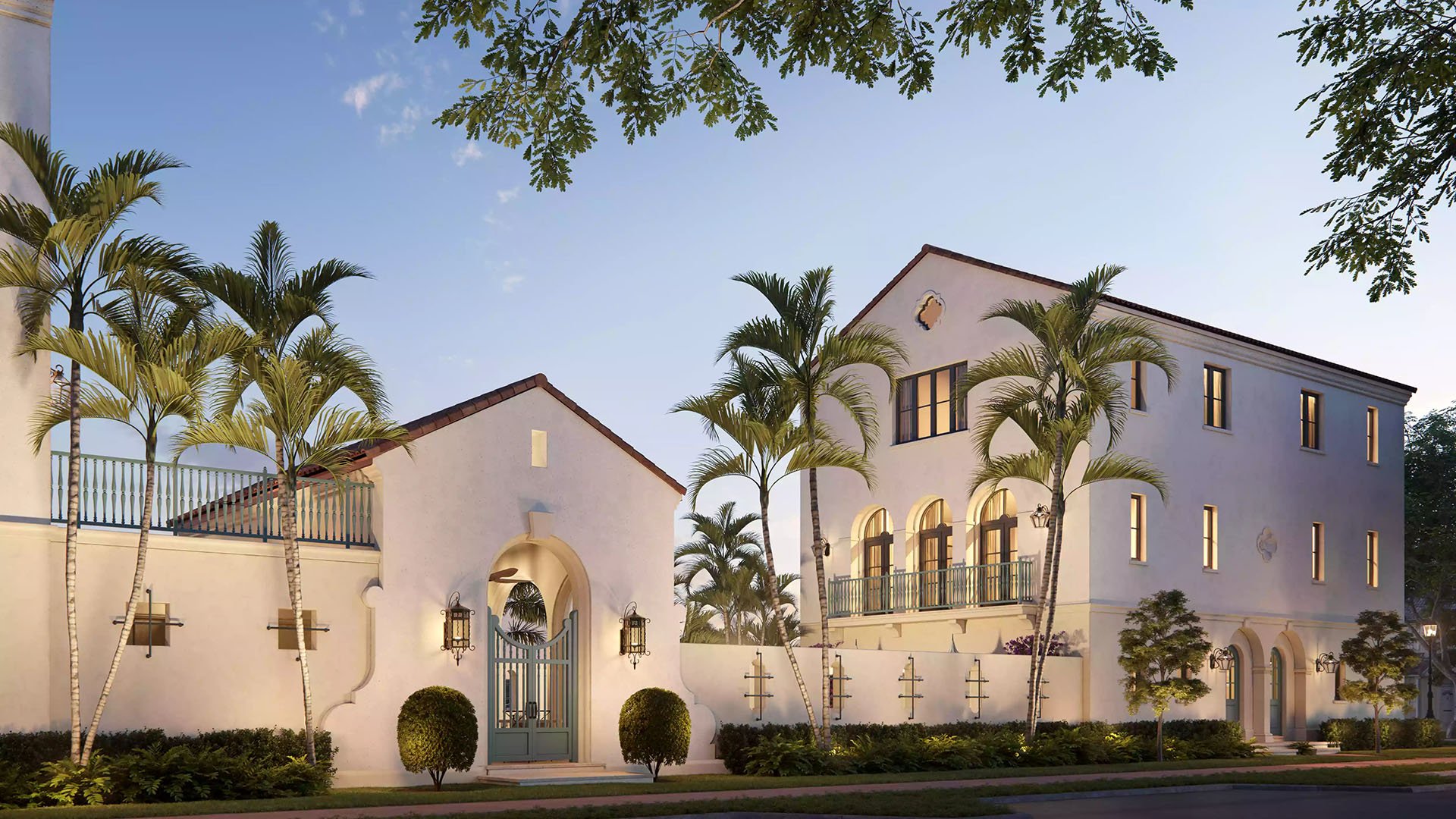
A move from Tokyo to Coral Gables asks a collector to make two decisions together: where to live and how the collection will arrive and remain protected. A beautifully proportioned room is only part of the answer. The property must also offer a workable delivery route, documented access permissions, and environmental conditions suited to the objects it will hold.
The decisive question is not simply whether the art will fit on the walls. It is whether the packed collection can reach those walls under an approved handling plan and then remain in a stable environment. Treat these requirements as pre-purchase due diligence, not arrangements to defer until closing.
For a buyer considering Ponce Park Coral Gables, the next step is to request access documentation and climate-system information for the specific property. A project’s presentation should never substitute for evidence about the exact residence under consideration.
Start with the packed dimensions of the largest and least maneuverable works. Before the Tokyo team finalizes oversized crates, ask the receiving specialist to verify loading access, elevator interiors, door heights, corridor turns, and the route into the residence. Measuring the elevator cabin alone does not resolve a tight entrance or an awkward landing.
Apply the same discipline to The Village at Coral Gables: establish the actual route for the selected home rather than assuming its residential format settles the access question. Even where no elevator is involved, doorways and turning space deserve attention.
Ask the mover to identify the narrowest point and confirm the handling approach before packing decisions are fixed. Obtain any truck-length restrictions at the loading court as well. Reconcile the crate, vehicle, building, and installation plan while changes are still possible-not while a delivery crew waits outside.
Do not treat an international shipment’s arrival as permission to enter a condominium. Ask whether scheduling depends on approved residency, a deposit, or a mover’s certificate of insurance naming the association as an additional insured. Confirm how management handles unscheduled deliveries and service-elevator reservations rather than assuming a universal Coral Gables policy.
Request the current move packet before committing to a delivery date. Seek written insurance requirements, certificate-holder details, elevator hours, loading-dock rules, and the process for reserving access. Confirm whether weekend or evening moves are permitted and whether the proposed date is available.
When assessing Cora Merrick Park, ask the same questions without presuming any particular policy or equipment specification. Confirm whether the designated elevator is available for the proposed crates and how management approves the move.
Handling obligations matter as much as the reservation. Ask about elevator protection, door-holding restrictions, and responsibility for common-area damage. Have the receiving team review those obligations before accepting the assignment. Ask counsel how essential permissions and inspection requirements can be documented in the transaction; do not assume a standard contract supplies a particular entitlement.
The collection need not arrive at the residence on the same day as its owner. Investigate climate-controlled specialist storage in Miami as an interim destination while upgrades, access approvals, or installation arrangements are completed. Confirm availability and suitability before relying on it as a contingency.
Ask prospective fine-art logistics providers to define their scope across international shipping, customs support, custom crating, installation, and storage. Assess the proposed scope as a connected sequence, with responsibility for each handoff documented in writing. For storage, ask specifically about monitored temperature and humidity, security, and chain-of-custody procedures.
Confirm Tokyo pickup coverage directly with the proposed provider. Export requirements, transit schedules, freight pricing, and insurance terms also require shipment-specific confirmation with the relevant specialists. Do not infer them from a company’s international service offering. Before authorizing dispatch, establish who will receive the collection if the Coral Gables residence cannot accept it on the intended date.
A discreet interior can conceal sophisticated environmental systems, but appearances cannot establish performance. Ask whether humidity is independently controlled within the residence or managed centrally. Standard air-conditioning is not proof that conditions are suitable for the collection.
Have a conservator establish temperature and relative-humidity targets for the actual collection before an engineer assesses the residence against them. Avoid treating a generic storage range as a specification for every object.
Stability deserves as much attention as the set point. Request documented temperature and humidity performance, an explanation of humidity-control operation, and details of redundancy, including any backup dehumidification. Have the collection’s advisers evaluate the findings against their requirements.
If changes are needed, establish their technical feasibility and required approvals before relying on them in the purchase decision. A proposed upgrade is not demonstrated performance. Keep a suitable specialist-storage option available until the collection’s advisers are satisfied with the receiving environment.
Include hurricane protection in the same review as climate control. For any proposed impact-window, door, or shutter work, confirm the existing installation, the intended scope, and applicable city and association approval requirements. Ask the project team to verify current permitting requirements and any available fee relief rather than budgeting on an assumed waiver.
If shutters form part of the collection-protection plan, verify the rules governing their use at the specific property. Do not assume they can remain closed indefinitely or that a proposed installation is already approved.
Before committing, seek four concrete answers: a verified crate route, written delivery conditions, collection-specific climate targets matched to system capability, and a feasible path for necessary upgrades. Keep interim storage in the plan wherever timing remains unresolved.
The strongest property choice is the residence where the collection’s practical requirements can be satisfied without improvisation. That confidence allows the architectural experience to remain what it should be: personal, composed, and focused on living with art.
For a considered approach to your Coral Gables property search, explore MILLION.
If branded residences are on your mind — as a home or as an allocation — we would be glad to share what we are seeing, privately.
Begin a quiet conversationBefore purchase, assess the crate route, delivery permissions, climate performance, and feasibility of necessary upgrades. These requirements can determine whether a residence is suitable.
Do not assume arrival establishes permission to enter. Confirm scheduling, any residency approval or deposit requirements, and the mover’s insurance documentation with management.
Request insurance requirements, certificate-holder details, elevator hours, loading-dock rules, and reservation procedures in writing. Confirm permitted delivery days and vehicle restrictions.
Verify elevator interiors, door heights, turning space, loading access, and the route into the residence against the proposed crate dimensions.
No universal policy should be assumed. Obtain the current requirements for the specific property and proposed delivery.
Investigate specialist storage as an interim destination while approvals or upgrades are completed. Confirm availability, environmental monitoring, security, and chain-of-custody procedures before booking.
Have a conservator establish targets and acceptable fluctuations for the actual collection. An engineer should then assess whether the residence can meet those requirements.
Do not assume it establishes suitable conditions. Verify humidity-control arrangements, documented stability, and available redundancy against collection-specific requirements.
Confirm the proposed scope and applicable city and association approval requirements. Verify current permitting rules and any fee relief rather than assuming a waiver applies.
Confirm pickup coverage, export requirements, transit schedules, freight pricing, and insurance terms with the relevant specialists. Identify who will receive the collection if the Coral Gables residence is not ready.