A buyer-focused guide to separating advertised security from documented surveillance at Waldorf Astoria Residences Pompano Beach, with practical questions about coverage, monitoring, privacy, record retention, and developer turnover.
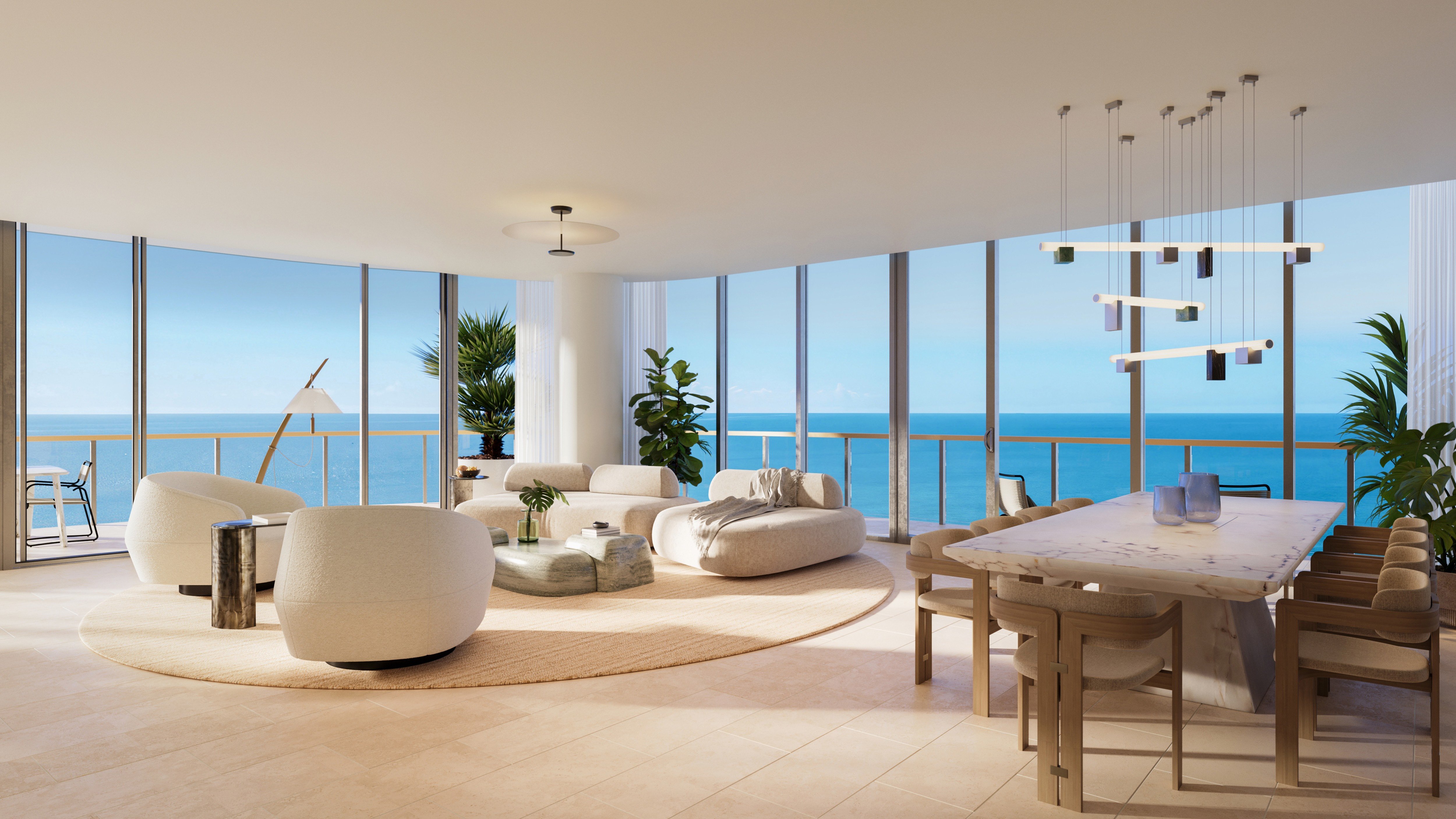
At Waldorf Astoria Residences Pompano Beach, the advertised offering includes 24-hour security and 24-hour reception. For a buyer, that is a meaningful starting point-not a complete description of surveillance. Staffing, camera coverage, live monitoring, and evidence preservation are separate commitments.
Camera counts, locations, fields of view, recording capabilities, and technical specifications remain unspecified. Comprehensive coverage of entrances, elevator lobbies, garage access points, loading areas, amenity decks, beach approaches, and service corridors is also unconfirmed. These gaps are unresolved diligence questions, not evidence of a defect.
The distinction matters for buyers who value discretion as much as protection. A useful security review asks not simply whether cameras exist, but what they capture, who can view the images, and whether relevant footage will remain available when needed.
Request a camera inventory and coverage map through the appropriate sales or management channel. Sensitive details may require controlled review; buyers should not assume entitlement to unrestricted security plans. The objective is a documented explanation of coverage, exclusions, and responsibility.
Ask the reviewer to distinguish proposed cameras from installed and tested equipment. For each relevant area, seek confirmation of the field of view, low-light performance, recording triggers, and whether recording is continuous or begins only after detected activity. Clarify how outages are identified and what happens during equipment or network failures.
Walk the resident journey rather than reviewing the lobby alone: vehicle arrival, valet staging, garage ramps, pedestrian exits, side doors, stairwell doors, elevators, loading areas, beach approaches, and service corridors, where applicable. These are potential inspection points, not confirmed blind spots at this project.
Buyers also considering The Ritz-Carlton Residences® Pompano Beach should apply the same questions independently. A neighboring address or comparable brand does not establish an equivalent surveillance system.
Twenty-four-hour security does not confirm continuous live camera monitoring. Whether footage is watched live, reviewed after incidents, or handled through another arrangement remains undisclosed.
Ask who is responsible for monitoring on each shift and whether that duty is separate from reception, patrol, and resident assistance. Establish who receives alerts, who investigates, and who can escalate an incident. A recording can document an event without providing an immediate response.
Request written clarification of who may view live feeds, retrieve stored recordings, and export clips. Ask whether viewing and exports are logged, whether permissions differ among personnel, and whether access-control records can be matched to video during an investigation.
For a Broward buyer, the most useful comparison is operational rather than aesthetic: can the responsible party explain the chain from detection to response to preservation? A polished arrival experience does not answer those questions.
The project's actual footage-retention schedule and incident-report retention policy remain undisclosed. Request separate schedules for raw camera footage, preserved incident clips, written incident records, dispatch logs, visitor records, and access-control logs.
For raw footage, ask when automatic overwriting occurs and whether the interval varies by camera, recording mode, or storage capacity. For preserved clips, ask what triggers preservation, who performs it, and how the retained copy is protected from routine deletion. An incident file may outlast the original recording, so a single retention figure is not enough.
Florida's multifamily-property security framework includes entry-and-exit cameras with footage retrievable for at least 30 days as one measure associated with a presumption against liability for certain third-party criminal acts. That benchmark does not establish this project's retention period, and the camera measure alone does not establish eligibility for the presumption.
When evaluating Armani Casa Residences Pompano Beach alongside Waldorf Astoria, request project-specific schedules rather than transferring assumptions between developments.
A preserved copy of association security-camera footage may constitute an official condominium record subject to inspection requirements. That does not mean every recording has the same status or must be released without restriction.
Florida condominium law generally requires official records to be retained for at least seven years, subject to record-specific rules. This does not automatically require seven-year storage of every raw camera recording. Association records generally must be made available within 10 working days after a unit owner's written request, subject to statutory exclusions and applicable access rules.
A prospective purchaser should not treat the owner-inspection process as an automatic pre-purchase right to sensitive security records. Have condominium counsel clarify which materials can be requested, by whom, and under what conditions.
Ask separately whether cameras capture conversations; audio recording raises distinct legal concerns. Also confirm privacy exclusions, who authorizes release, what triggers a litigation hold, and who ensures relevant footage is not overwritten while a preservation request is considered.
Review the Developer's Prospectus for amenities, proposed budgets, specifications, fees, purchase terms, and services included in regular assessments. Use that review to clarify the security commitments being made and the services those assessments are intended to support.
Request written documentation connecting the final camera configuration, monitoring responsibility, retention policy, and exclusions to the developer's turnover documents. Distinguish the proposed configuration from the system ultimately delivered. Ask how changes will be documented and who will maintain the resulting records.
Future improvements also deserve attention. Installing security cameras can constitute a material alteration, making the declaration's approval requirements relevant. Ask counsel to explain the applicable approval process rather than assuming the association can add coverage immediately after turnover.
For buyers weighing Rosewood Residences Hillsboro Beach as another option, the same document-led approach provides a consistent basis for diligence without implying identical equipment, policies, or services.
Before committing, organize the answers into four categories: coverage, monitoring, retention, and governance. Each should identify the responsible party, the supporting document, and any unresolved qualification. Where technical plans cannot be shared, request an appropriate written explanation or controlled review.
The buying standard is not a claim of zero blind spots. It is a clear account of what the system is intended to do, what it excludes, and how relevant evidence will be preserved. An unanswered question is not a finding of unsafe conditions, but neither should it become an assumed assurance.
For a discreet approach to South Florida residential selection, connect with MILLION.
If branded residences are on your mind — as a home or as an allocation — we would be glad to share what we are seeing, privately.
Begin a quiet conversationThe advertised offering includes 24-hour security and 24-hour reception. Those commitments do not establish the scope of camera coverage or monitoring.
No. The provided information does not confirm whether footage is watched live or reviewed after incidents.
No specific blind spots are established by the provided information. Garage ramps, pedestrian exits, beach approaches, and service corridors are potential inspection points, not confirmed defects.
Request an inventory and coverage map addressing fields of view, low-light performance, recording triggers, outages, and privacy exclusions. Sensitive information may require controlled review.
The provided information does not specify the actual retention schedule. Request separate schedules for raw footage, preserved clips, incident records, and access logs.
No. It is one measure within a multifamily-property liability framework, not proof of this project's policy or sufficient on its own to establish eligibility for the liability presumption.
The general seven-year requirement for official condominium records should not be interpreted as automatic retention of all raw footage. Preserved incident footage may have a different status from routine recordings.
A buyer should not assume an automatic pre-purchase right to sensitive security records. The general 10-working-day access rule concerns unit owners' written requests and remains subject to exclusions and access rules.
Audio recording raises separate legal concerns from video surveillance. Confirm whether conversations are captured and have counsel review the applicable privacy considerations.
Seek written documentation of the final camera configuration, monitoring responsibility, retention policy, and exclusions. Clarify how changes and maintenance responsibilities will be recorded.