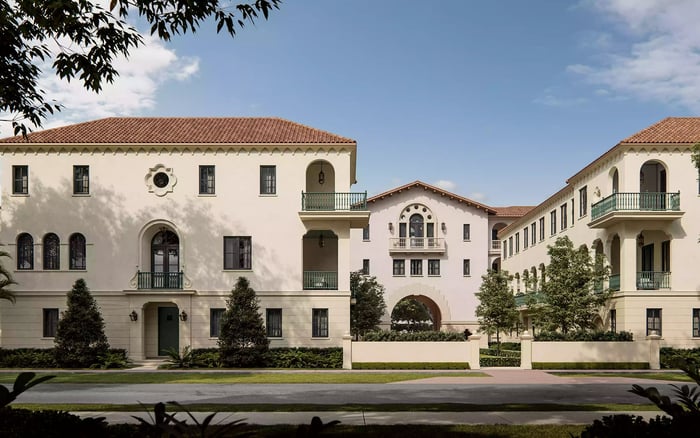
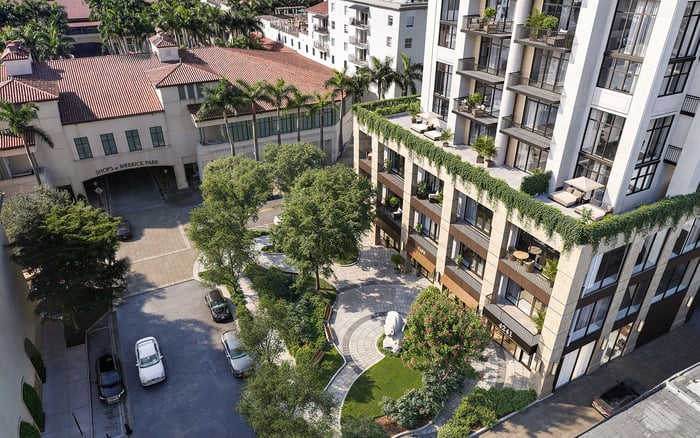
Cora Merrick Park advertises covered private parking, but seasonal vehicle storage requires a separate layer of diligence. Before purchasing, confirm parking rights, long-term occupancy rules, battery-maintainer permissions, key custody, and responsibility for moving or protecting a vehicle during an owner's absence.
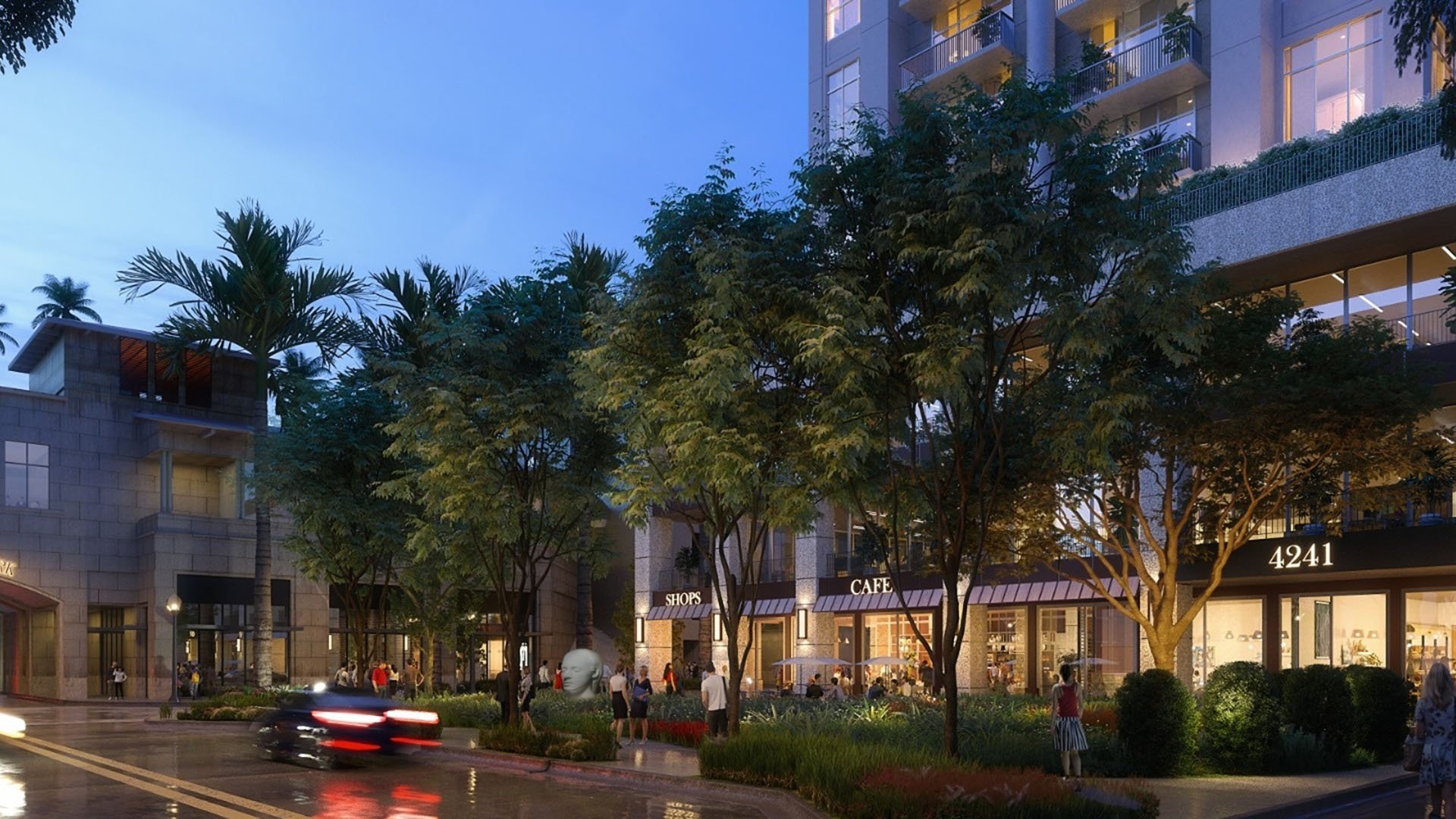
For a seasonal owner, convenience is measured by what happens after departure. A car left behind should be covered by a clearly documented arrangement, not an informal understanding that depends on who answers the telephone. At Cora Merrick Park, marketed at 4241 Aurora Street in Coral Gables, dedicated private parking in a covered garage is advertised. That is a useful starting point, but it does not establish a seasonal vehicle-care program.
The distinction matters before purchase. Covered parking does not, by itself, confirm permission to leave a vehicle stationary for months, connect a battery maintainer, or entrust keys to building personnel. Those arrangements remain unverified. That does not mean they are prohibited or unavailable; it means a buyer should obtain written confirmation rather than assume they accompany the residence.
Begin with the legal character of the parking space. Whether spaces are deeded, assigned, licensed, or leased remains unspecified. Ask counsel to identify the applicable arrangement in the purchase contract, condominium declaration, parking exhibits, and any separate garage agreement.
Request the space number, dimensions, access route, and any reassignment provisions. Confirm whether parking rights transfer with the residence and whether a future purchaser receives the same entitlement. For a vehicle with particular clearance or access requirements, review the actual route and space rather than relying on the word private.
The number of spaces accompanying each residence remains unconfirmed. Confirm in writing the allocation for the residence under consideration. Treat additional parking as a separate question covering availability, pricing, waitlist priority, renewal terms, and vehicle restrictions.
A right to park is not necessarily permission for uninterrupted seasonal storage. Ask expressly whether a vehicle may remain stationary for 30, 90, or 180 days, and have the answer tied to the residence and parking arrangement under consideration.
The written response should address any inspection requirements, owner-contact obligations, relocation requests, or restrictions on covers and stored accessories. Clarify what happens if an absence extends beyond the expected return date. These are diligence questions, not established Cora policies.
For buyers also considering Ponce Park Coral Gables, the same discipline applies: evaluate each property's written terms independently. A shared location does not make garage permissions interchangeable. Nor should nearby retail parking rules be applied to Cora's residential garage.
Electrical outlets at parking spaces and permission to connect an unattended battery maintainer remain unverified. Before incorporating either into an ownership plan, request written rules addressing outlet access, approved equipment, unattended operation, extension cords, electricity charges, and any inspection requirements.
Treat battery maintenance and EV charging as separate questions. Approval for one should not be treated as approval for the other. Ask who can authorize an installation or connection, whether permission can be withdrawn, and what the owner must do if power is interrupted during an absence.
Battery tending, periodic engine starts, tire-pressure checks, and fluid checks remain unverified services. If such assistance is essential, identify a permitted provider and document the scope, schedule, access arrangements, and charges. Vehicle-care instructions should come from an appropriately qualified provider, not an assumed building routine.
Leaving a spare key is not the same as establishing accountable custody. A dedicated spare-key protocol for absent owners remains unconfirmed, as does authorization to retrieve or move their vehicles.
Ask whether keys are accepted at all. If so, establish where they are secured, which roles may access them, how access is recorded, and how authorization can be revoked. The arrangement should distinguish possession of a key from permission to drive, move, charge, or release the vehicle.
Document permissions for a local agent, family member, mechanic, or driver individually. Specify how identity will be checked and whether the owner must approve each release. If a valet arrangement applies, request its key-release, vehicle-inspection, damage-claim, and insurance policies rather than presuming a particular operating model.
Covered does not establish climate control, humidity management, or specific flood-protection measures. Likewise, the advertised mail and package room with cold storage refers to deliveries, not refrigerated or climate-controlled automobile storage. Keep those amenities distinct.
Request the garage's applicable closure and vehicle-relocation procedures. Ask who contacts an absent owner, who may authorize a move, where a vehicle could be taken, and who bears the associated cost. If access becomes restricted, determine whether an authorized local representative can still act.
Liability deserves a separate discussion with counsel and the buyer's insurer. Seek clarity on responsibility for theft, water damage, battery failure, and damage during vehicle handling. The objective is not to presume a particular exposure, but to understand which obligations belong to the owner, association, operator, or outside provider.
A useful diligence file aligns the purchase contract, declaration, parking exhibits, association rules, applicable garage agreement, and written developer responses. Ask counsel to resolve inconsistencies and identify which provisions control before relying on any seasonal arrangement.
Organize the answers around three practical outcomes: the vehicle may remain for the intended absence, any electrical or maintenance activity is permitted, and an authorized person can act when necessary. For each outcome, identify the permission, responsible party, cost, and procedure for changing or ending the arrangement.
If comparing Cora with The Village at Coral Gables, use the same checklist without assuming equivalent parking rights or services. The meaningful comparison is the documented arrangement each property can support, not the language of an amenity description.
Before committing, walk through an ordinary absence and an unexpected interruption. Who holds the key? Who receives a notice? Who can move the car? Who checks that a permitted maintainer remains connected? An unresolved answer calls for further diligence; it is not evidence that a service is unavailable.
Cora's advertised covered private parking establishes a parking amenity. A dependable seasonal ownership plan requires the additional permissions and responsibilities to be confirmed in writing.
For a considered approach to South Florida ownership, explore MILLION.
If branded residences are on your mind — as a home or as an allocation — we would be glad to share what we are seeing, privately.
Begin a quiet conversationCora Merrick Park is marketed at 4241 Aurora Street in Coral Gables.
Dedicated private parking in a covered garage is advertised. That description does not establish a seasonal vehicle-care program.
Whether spaces are deeded, assigned, licensed, or leased remains unconfirmed. Confirm the legal arrangement in the applicable purchase and condominium documents.
The number of spaces accompanying each residence remains unconfirmed. Obtain written confirmation of the allocation for the residence under consideration.
Permission for uninterrupted seasonal storage remains unverified. Ask specifically about stationary parking for 30, 90, or 180 days.
Parking-space outlets and permission for unattended battery-maintainer use are not verified. Request written electrical-use and equipment rules before planning a connection.
Battery tending, periodic engine starts, tire-pressure checks, and fluid checks remain unverified services. Confirm any assistance and its scope in writing.
No climate control, humidity management, or specific flood-protection measures are established by the covered-garage description. Advertised cold storage concerns the mail and package room, not automobiles.
A spare-key custody protocol and vehicle-movement authorization procedure remain unconfirmed. Confirm acceptance, access controls, and release permissions in writing.
Request garage closure and relocation procedures, including who may move the vehicle and who pays. Clarify responsibility for theft, water damage, battery failure, and vehicle-handling damage with counsel and the buyer's insurer.