A buyer-focused guide to separating Ponce Park’s own construction from potential neighboring work, assessing residence-specific exposure, and verifying access and completion milestones before committing.
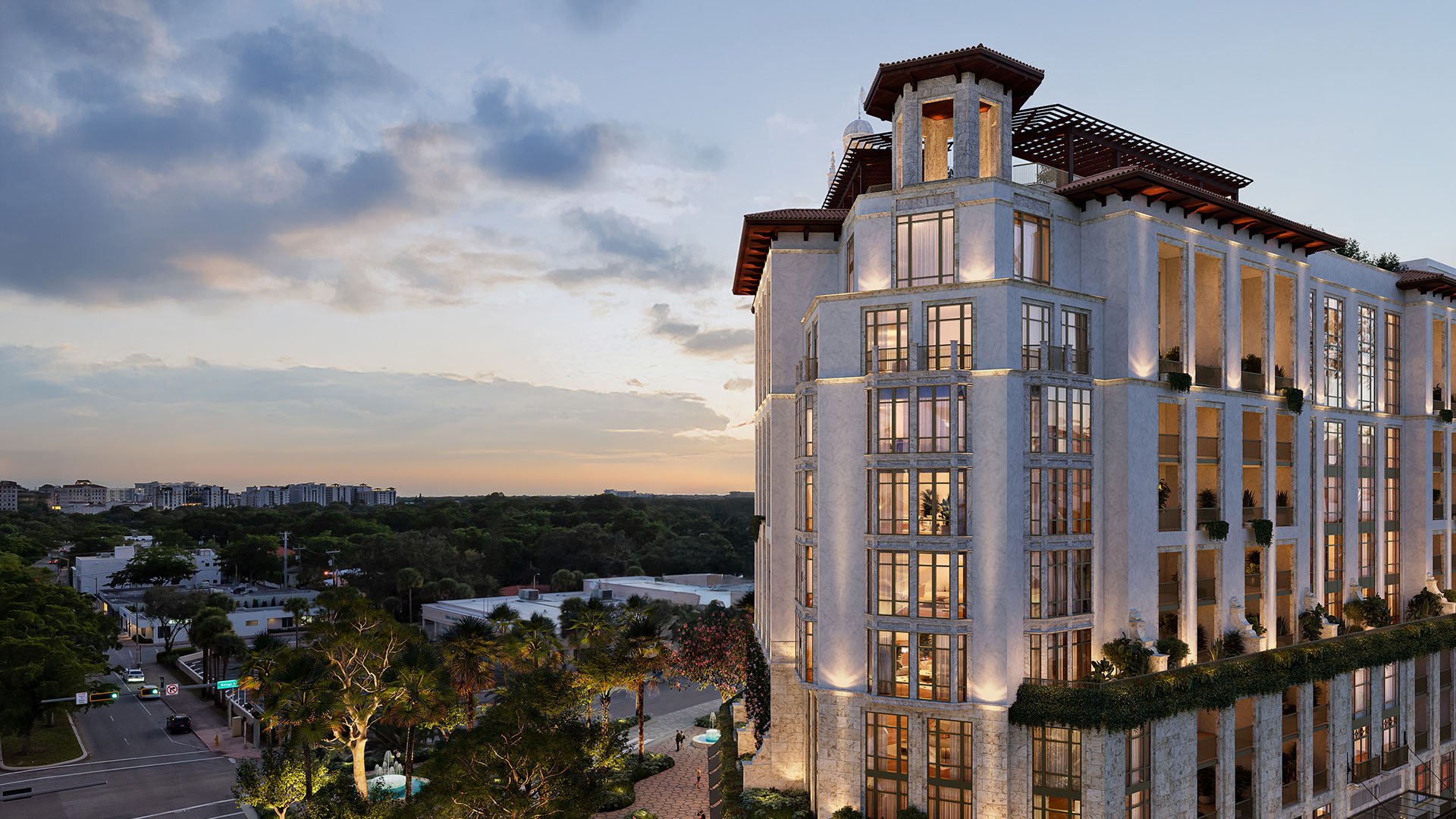
At Ponce Park Coral Gables, the construction question is not simply whether work is happening nearby. It is which site is involved, which activities could overlap with occupancy, and how they could affect the residence being purchased. For a buyer seeking quiet interiors and an effortless arrival, those distinctions deserve the same attention as the floor plan.
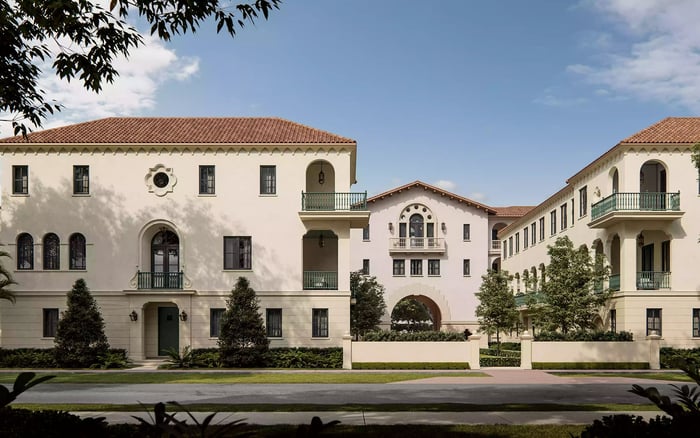
Ponce Park is Allen Morris Company’s condominium development at 3000 Ponce de Leon Boulevard. Its program comprises 11 floors, 58 residences, and 22,000 square feet of ground-floor commercial space on approximately 1.2 acres. Zyscovich is the architect, and Kast Construction is the general contractor.
The property sits across from the mixed-use Plaza Coral Gables. That proximity makes the surrounding block relevant to due diligence, but it does not establish active construction across the street. Any separate neighboring project, its work schedule, and potential overlap with future occupancy should be verified independently. Dust, noise, and temporary access changes remain potential impacts to investigate-not established conditions at a particular residence.
Construction began in December 2025; the formal groundbreaking announcement followed on February 9, 2026. These are distinct milestones. Likewise, a demolition-complete milestone does not establish how far vertical construction has advanced.
Completion targets are not uniform: they include both Q4 2027 and early 2028. Neither should be treated as a guaranteed move-in date, and the latter does not establish that work will continue through at least early 2028. Nor does a preconstruction contract signed in 2026 establish a 2026 closing or occupancy.
Request a dated construction schedule identifying the current phase and anticipated transitions. Ask specifically about foundation work, structural construction, exterior enclosure, interior completion, and site restoration. Then distinguish those milestones from the date your residence may be occupied.
For any claimed adjacent construction, request the site address, scope, permit status, and anticipated work dates. Without those details, a general assurance that the neighborhood will be finished is too imprecise to support a purchase decision.
The useful question is not whether a construction site will be perfectly quiet. It is how proposed activities will be controlled, communicated, and assessed against your intended use of the home. No measured dust concentrations, noise levels, or confirmed pile-driving methods are established here.
Ask the developer or contractor for the dust-control plan, including proposed suppression measures, material handling, site cleaning, and the contact responsible for concerns. Clarify whether controls apply only within the site or also address construction-related debris at its perimeter. These are requests for documentation, not assurances that particular measures are already in place.
For noise, request the planned foundation methods and equipment sequence. Confirm permitted work hours and any authorized night or weekend exceptions through current documentation, rather than assuming a municipal rule or customary schedule.
If your Coral Gables shortlist also includes Cora Merrick Park, use the same questions there. Compare dated, residence-specific information. The absence of a discussion about construction is not evidence of quiet conditions.
A sales-gallery visit cannot substitute for an assessment of the selected residence’s orientation. Ask for a plan showing bedrooms, living areas, and outdoor space relative to staging areas, loading activity, and any independently verified neighboring work.
Visit the surrounding block during weekday work hours, where lawful and safe, and record the date, time, and activity observed. If the residence is accessible, evaluate the rooms you would actually occupy. If it is not, ask the team to explain exposure using current plans, then revisit when access becomes possible.
Do not assume that a higher floor eliminates disturbance or that one quiet visit predicts future conditions. Ask which construction phases might differ from the activity you observed. For someone who works from home or values breakfast outdoors, the relevant test is personal: can the team explain the likely exposure during those hours without presenting estimates as guarantees?
The project’s approvals included a land-use change to high-rise intensity and an alley vacation. Those decisions warrant a careful review of final circulation, but they do not establish dated lane restrictions, sidewalk closures, or temporary garage arrangements.
Request both the permanent circulation plan and the current staging plan. Identify pedestrian detours, curb restrictions, delivery routes, and garage-entry arrangements, along with effective dates and the party responsible for updates. Ask how guests, household deliveries, and move-in vehicles would reach the building if temporary restrictions overlap with occupancy.
Walk the route you expect to use, not just the frontage shown in presentation materials. A buyer also considering The Village at Coral Gables can apply the same arrival test to each address without presuming the properties share construction conditions.
The objective is a usable route and a reliable notification process-not an inference drawn from an approval map.
Ponce Park’s 22,000 square feet of ground-floor commercial space introduces a separate scheduling question. Ask whether commercial fit-outs could occur after residential occupancy and, if so, what restrictions would govern working hours, contractor access, material deliveries, and shared circulation.
Do not assume that residential delivery means every commercial interior, common area, or streetscape element will be complete. Equally, do not presume that any will remain unfinished. Request a milestone schedule that distinguishes each component and identifies any areas that could remain under contractor control.
The same discipline applies across the street: Plaza Coral Gables’ presence does not establish ongoing tenant construction. Any such claim should be supported by a dated notice or schedule before it influences your assessment of future disturbance.
Before signing, have counsel review completion-date language, construction-inconvenience provisions, and developer access rights. Ask counsel to explain which representations are contractual, which remain estimates, and what the agreement says about unfinished work around an occupied residence.
Keep the current schedule, circulation drawings, written responses, and subsequent revisions together. Identify who will provide updates and how material changes will be communicated. A sound decision rests not on a promise of zero inconvenience, but on clearly defined conditions, accountable contacts, and expectations suited to your move-in plans.
For a discreet discussion of Ponce Park and your South Florida property search, connect with MILLION.
If branded residences are on your mind — as a home or as an allocation — we would be glad to share what we are seeing, privately.
Begin a quiet conversationPonce Park is at 3000 Ponce de Leon Boulevard in Coral Gables, across from the mixed-use Plaza Coral Gables.
The published program lists 11 floors and 58 residences, with 22,000 square feet of ground-floor commercial space.
A separate active neighboring project with a verified schedule is not established here. Request a site address, scope, and dated schedule before assuming nearby work will overlap with occupancy.
Construction began in December 2025. The February 9, 2026 groundbreaking announcement is a separate milestone, not the construction-start date.
Published targets include Q4 2027 and early 2028. Neither is a guaranteed move-in date, so request the current schedule and review contractual timing with counsel.
No measured dust concentrations or noise levels are established here. Request the dust-control plan, planned equipment sequence, foundation methods, and permitted work hours.
No. The alley vacation warrants reviewing circulation plans, but it does not establish dated lane restrictions, sidewalk closures, or garage-access changes.
Review bedroom, living-room, and terrace orientation against staging areas and verified nearby work. Visit during weekday work hours where safe and permitted, and reassess as construction phases change.
That possibility should be checked separately, not assumed. Request milestones for residential occupancy, commercial fit-outs, common areas, and streetscape completion.
Ask counsel to review completion-date language, construction-inconvenience provisions, and developer access rights. Clarify which assurances are contractual and how the agreement addresses unfinished work around occupied residences.