At Park Grove, advertised around-the-clock service should be tested against staffing by shift, tower assignments, response targets, request logs, and escalation procedures.
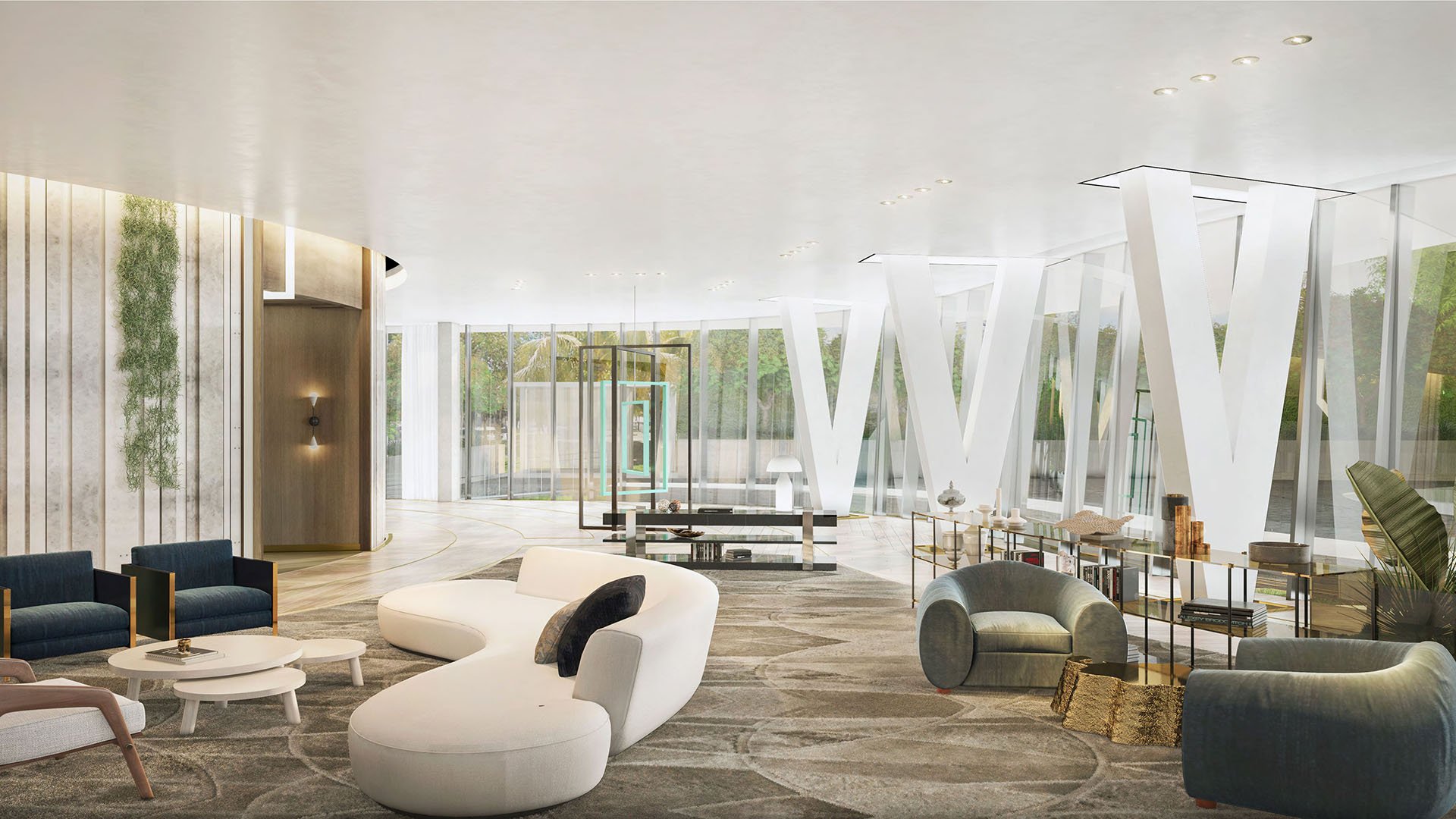
At Park Grove Coconut Grove, the promise of residential ease rests on an unusually broad service program. The three-building complex comprises One Park Grove, Two Park Grove, and Club Residences, at 2811, 2821, and 2831 S Bayshore Drive. Advertised offerings include a 24-hour doorman, concierge, and security, as well as valet, butler service, a resident concierge app, and a nautical concierge associated with yachting, boating, sailing lessons, paddleboard rentals, and Biscayne Bay excursions.
For a buyer, however, service availability is not the same as service performance. The phrase “24-hour” confirms that a function is advertised around the clock. It does not establish how many employees are present, whether they are dedicated to one tower, how quickly a call must be answered, or what happens when several requests arrive at once.
That distinction is particularly important in waterfront luxury living, where seamless arrivals, security coordination, vehicle retrieval, package handling, and after-hours assistance can shape the ownership experience as much as architecture or views.
The first request should be a current staffing matrix organized by role and shift. Ask for concierge, front desk, security, valet, maintenance, management, and overnight coverage. A total headcount is not enough. The document should show who is scheduled on weekday mornings, during evening arrival periods, on weekends, and overnight.
Then establish whether personnel are dedicated to individual buildings or pooled across the three-tower complex. The assignment model is not specified, and the distinction can materially affect practical coverage. A pooled team may offer flexibility, while dedicated personnel may provide clearer accountability. Neither structure is inherently superior without an understanding of demand, backup arrangements, and escalation rules.
A resale buyer should also ask how absences, breaks, shift changes, special events, and unusually heavy arrival periods are covered. If management will not provide individual employee information, an anonymized schedule by role and post can still answer the operational question.
Apply the same standard when comparing nearby choices such as Four Seasons Residences Coconut Grove, Mr. C Tigertail Coconut Grove, and Vita at Grove Isle. Buyers should compare documented coverage and accountability, not merely the number of services named in marketing materials.
Ask management to define target times for the requests most likely to influence daily life: answering front-desk calls, registering guests, retrieving vehicles, delivering packages, dispatching maintenance, and responding to after-hours concerns. For each function, determine when the clock starts, when it stops, and whether performance is tracked.
Next, determine whether each target is a contractual requirement, an internal operating goal, or an informal custom. That hierarchy matters. A contractual obligation may offer firmer accountability; an internal target may be revised; and a customary practice may depend on the people working a particular shift.
Request written procedures for missed targets. Ask whether requests receive a time stamp, whether unresolved items remain visible at shift change, who reviews complaints, and when an issue moves from the front desk to property management, operations management, or the Master Management Office. A polished lifestyle proposition is most credible when its recovery process is as clear as its initial promise.
The contact structure includes a main telephone number and separate front-desk extensions: 101 for One Park Grove, 201 for Two Park Grove, and 301 for Club Residences. It also includes management and operations contacts, along with direct contact details for a Lifestyle Director. A separate association management office is listed at 2701 South Bayshore Drive.
Before purchase, ask which contact owns each category of request and who assumes responsibility after hours. Then test the system appropriately during due diligence. Place routine calls at different times, observe how a guest is processed, and ask the seller for recent examples involving valet, maintenance, packages, or security escalation. The objective is not to manufacture a failure, but to determine whether the structure produces a consistent, traceable response.
A scheduled daytime tour reveals presentation, not necessarily operating resilience. Where access and association rules permit, arrange observations during a weekday morning, an evening arrival rush, a weekend, and an overnight period. Record factual details such as answer times, valet retrieval intervals, queue formation, handoffs, and whether personnel clearly explain the next step.
One slow or fast interaction should not determine the conclusion. Look for patterns across several ordinary requests and ask the seller whether the experience is typical. For buyer’s guides focused on service, repeatability is more informative than a single theatrical moment.
Review the association rules, resident handbook, management agreement, operating budget, board minutes, and service procedures. Look for staffing commitments, vendor scopes, complaint protocols, response targets, and authority to change service levels. The operating budget can help frame questions about how advertised functions are funded, but it should not be treated as proof of staffing without supporting schedules or explanations.
Minutes and request logs may reveal whether recurring concerns reach management or the board. Ask for records through the appropriate due-diligence process and respect resident privacy. The central issue is whether service failures are documented, reviewed, assigned, and closed.
This approach gives a Coconut Grove buyer a disciplined basis for evaluating an important part of the ownership proposition: not simply whether assistance exists, but whether it is sufficiently staffed, measured, and accountable.
Does 24-hour concierge language guarantee a maximum wait time? No. It establishes advertised availability, not a published maximum response time.
Are Park Grove staffing ratios publicly disclosed? Shift-by-shift ratios for concierge, security, valet, or management are not disclosed.
Are employees assigned to individual towers? It is not specified whether teams are tower-specific or pooled across the complex.
Which Park Grove front-desk extensions should buyers know? The listed extensions are 101 for One Park Grove, 201 for Two Park Grove, and 301 for Club Residences.
Which response times should a buyer request? Ask about calls, guest registration, valet retrieval, package delivery, maintenance dispatch, and after-hours response.
When should service be tested? Observe routine performance on a weekday morning, during an evening rush, on a weekend, and overnight.
What documents may contain service standards? Review association rules, the management agreement, operating budget, board minutes, resident handbook, and procedures.
Why distinguish contractual standards from internal goals? Internal goals and informal practices may be easier to change than contractual requirements.
What should happen when the front desk cannot resolve an issue? Management should identify the next contact, required handoff, tracking method, and after-hours escalation route.
Can one successful tour confirm service quality? No. Several observations and recent resident or seller examples provide a more useful picture.
For a discreet conversation and a curated building-by-building shortlist, connect with MILLION.
If branded residences are on your mind — as a home or as an allocation — we would be glad to share what we are seeing, privately.
Begin a quiet conversation