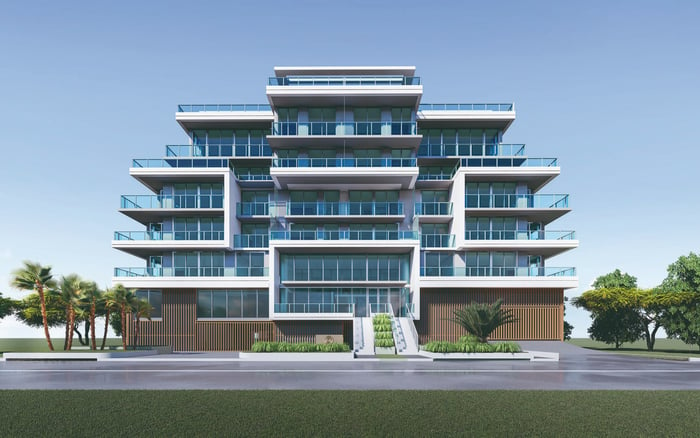
A focused due-diligence framework for assessing how adjacent construction could affect dust, noise, temporary access, daily routines, and closing expectations at Origin Bay Harbor Islands.
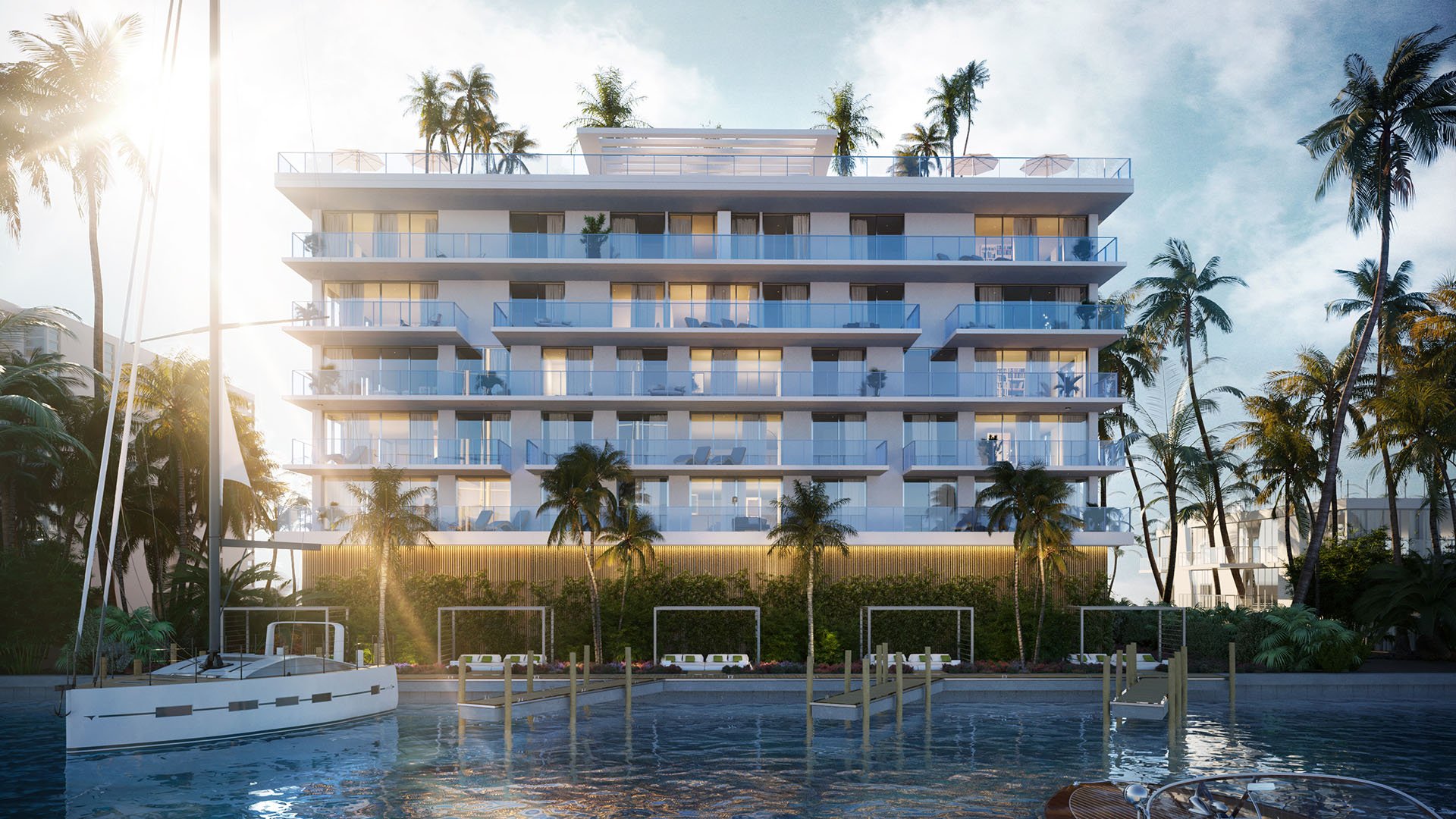
A buyer considering Origin Bay Harbor Islands should distinguish the residence being purchased from the conditions that may surround it during construction. The practical inquiry is not limited to a broad completion forecast. It should address which routes, common areas, services, and building components are expected to be usable at closing.
Ask for a current written schedule that separates major phases rather than relying on a single target date. The schedule should identify work expected before closing, work that may continue afterward, and any activity that could affect arrivals, deliveries, outdoor areas, or ordinary residential use.
The strongest construction answer is specific, dated, and preserved in writing.
A residence may reach a contractual milestone while work continues elsewhere. Request a phase-by-phase explanation of remaining exterior work, interior work, common-area completion, life-safety approvals, resident circulation, and final turnover procedures. Confirm which conditions are temporary and which represent the intended long-term arrangement.
Ask whether any unfinished work could restrict elevators, loading areas, pedestrian paths, parking access, or outdoor spaces. If important areas will open in stages, obtain the expected sequence and identify who will communicate changes to residents.
This same approach can inform comparisons with nearby boutique offerings such as Alana Bay Harbor Islands. Compare documented access and readiness rather than relying only on broad descriptions or presentation materials.
Do not assume that a quiet neighboring property will remain unchanged. Identify each parcel sharing a property line with the project, along with other nearby sites that could materially affect the selected residence. A qualified adviser can review ownership, zoning, permits, pending applications, and recorded documents relevant to potential development.
Consider how future work could affect privacy, daylight, balconies, arrival routes, and the experience from the residence’s primary rooms. Ask the sales team to mark important sightlines and neighboring boundaries on a current plan, then have the buyer’s advisers test those representations against available parcel information.
Orientation and floor level can change exposure to adjacent activity. When evaluating alternatives such as Onda Bay Harbor, apply the same parcel-level method so that the comparison remains consistent.
Construction dust can affect glazing, balconies, outdoor furnishings, entry areas, and cleaning routines. Request written details about dust suppression, debris containment, street cleaning, exterior cleaning, and complaint handling. The response should identify both the measures planned and the party responsible for implementing them.
Clarify who handles cleaning after a residence turns over if work remains underway. Ask whether residents may need to secure outdoor furniture, keep windows closed, or avoid specific areas during certain operations. Determine how advance notice will be delivered and how urgent concerns will be escalated.
Separate the project’s own procedures from the practices of an independent neighboring contractor. One development may not control another owner’s construction program, making parcel research, permit review, and direct observation important parts of the same diligence file.
Noise exposure can vary with deliveries, equipment, structural work, façade work, interior work, and site cleanup. Verify permitted work hours and ask whether any active site nearby has approval for extended activity, weekend work, or time-sensitive operations.
Visit the block more than once and at different weekday hours. Listen for reversing alarms, loading activity, equipment, and truck queuing from the orientation most relevant to the contemplated residence. A scheduled sales appointment may not capture ordinary working conditions.
Buyers comparing the broader Bay Harbor Islands market, including The Well Bay Harbor Islands, should repeat this exercise at each property. Conditions can differ by parcel, orientation, construction phase, and time of day.
Inside the residence, ask whether unfinished operations may require temporary sealing, restricted balcony use, or protective measures. If acoustic performance is a priority, request the applicable specifications and have an appropriate adviser interpret them rather than relying on general descriptions.
Request a construction logistics plan showing truck routes, staging areas, dumpsters, equipment locations, and anticipated lane or sidewalk restrictions. Obtain a separate marked plan for resident vehicles, pedestrian entry, loading, deliveries, guests, household staff, move-ins, and emergency access.
Confirm the route residents are expected to use on the first day of occupancy and the route intended after construction ends. Ask what events could alter either arrangement, how much notice residents will receive, and whether moving vehicles could share circulation space with construction traffic.
Accessibility deserves specific attention. Determine how temporary paths will accommodate mobility needs, pets, luggage, service providers, and deliveries. If any route depends on unfinished work or third-party approvals, request a written explanation of the contingency plan.
Create a concise schedule of unresolved items before signing or closing. It should capture remaining phases, expected work periods, cleaning responsibilities, temporary circulation, delivery procedures, and any restrictions affecting the selected residence. Attach diagrams whenever a verbal description could become ambiguous.
Record who provided each answer and when it was given. Compare the response with the purchase agreement, disclosures, plans, and other controlling documents, and ask the buyer’s legal and technical advisers to address material inconsistencies.
The objective is not to assume that every construction inconvenience can be eliminated. It is to understand the likely location, timing, duration, and effect of adjacent work so the buyer can evaluate the residence with clearer expectations.
For a discreet review of South Florida residences and current opportunities, connect with MILLION.
If branded residences are on your mind — as a home or as an allocation — we would be glad to share what we are seeing, privately.
Begin a quiet conversationStart with a written, phase-specific schedule and a parcel-level review of adjoining properties.
Nearby development could affect noise, dust, privacy, daylight, and temporary circulation around the selected residence.
Verify permitted work hours and visit at different weekday times to observe equipment, deliveries, and truck activity.
Ask for written procedures covering suppression, debris containment, street cleaning, exterior cleaning, and complaint handling.
Confirm routes for resident vehicles, pedestrians, loading, deliveries, guests, move-ins, and emergency access.
A residence may reach a closing milestone while work continues in common areas or along access routes.
Review its exposure to adjoining parcels, construction staging, delivery routes, and important sightlines.
No. Multiple visits at different weekday hours can provide a broader view of ordinary construction conditions.
Preserve important answers in dated writing and compare them with the purchase agreement, disclosures, and plans.
Buyers should consult appropriate legal, technical, zoning, or other qualified advisers based on the issue involved.