A disciplined framework for Madrid buyers evaluating Wynwood ownership through separate cross-border planning, property-specific carrying costs, currency scenarios, and personal-use priorities.

A Madrid-based buyer can approach a Wynwood acquisition by building a Florida-specific model rather than assuming that familiar Spanish terminology, procedures, or costs have direct equivalents. The review should consider the proposed purchase alongside the buyer’s residency, existing holdings, financing plans, succession objectives, and intended use of the Miami residence.
Keep the Madrid benchmark as personal context, then ask qualified advisers to identify which considerations apply to the proposed Florida transaction. This separation makes it easier to distinguish familiar assumptions from property-specific information that still requires verification.
Before signing, request a written projection that organizes the anticipated commitment from contract through closing. Ask the legal and closing teams to identify deposits, purchaser obligations, professional fees, financing-related items when applicable, and building or association amounts connected with the transaction. Each line should be marked as fixed, estimated, conditional, or still subject to confirmation.
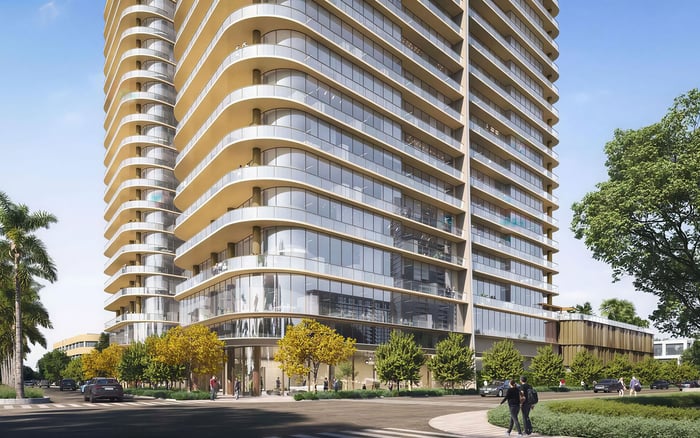
For a proposed new-construction purchase, review the contract, deposit schedule, completion provisions, and the timing of ownership obligations before committing funds. A buyer considering Frida Kahlo Wynwood Residences can use the project documents and property-specific materials as the basis for legal and financial diligence.
Create parallel dollar and euro scenarios for the purchase commitment and recurring outgoings. The objective is not to forecast exchange rates, but to test whether the buyer’s liquidity remains comfortable under different currency assumptions.
Build the annual budget at the residence level. Request the current or proposed condominium budget, the unit’s allocated charges, available insurance information, tax projections, utility assumptions, management costs, and other recurring obligations relevant to the intended use.
Ask advisers and project representatives to separate expenses paid directly by the owner from services or costs included in association charges. Where an amount is not yet available, label it as unresolved rather than filling the gap with a neighborhood average or an assumption drawn from Madrid.
Model the residence for the buyer’s actual plan, whether that means personal visits, longer stays, periods of vacancy, or a rental strategy reviewed and confirmed by the appropriate professionals. Do not rely on projected rental income or flexibility until the governing documents and applicable requirements have been examined.
The buyer should discuss ownership structure, tax treatment, estate planning, financing, and documentation with qualified Spanish and US professionals before the contract fixes key decisions. A coordinated review can help the advisers identify interactions between the two jurisdictions and clarify which questions require specialist advice.
Prepare a shared fact file for both advisory teams. It can include the buyer’s residency position, intended purchaser, source and timing of funds, existing property interests, proposed use, anticipated holding period, financing plan, and succession objectives. Advisers can then determine which filings, documents, or structural considerations are relevant without importing assumptions from one jurisdiction into the other.
Financial coherence does not by itself establish that a residence suits the buyer. Define the expected frequency and duration of stays, privacy preferences, workspace needs, service expectations, guest patterns, mobility requirements, and tolerance for an active setting. Evaluate the proposed home against that written brief rather than amenities alone.
Project comparisons can make those priorities clearer. Alongside the Wynwood option, Miami Tropic Residences, Kempinski Residences Miami Design District, and Villa Miami can serve as South Florida alternatives for a property-by-property review. The purpose is to compare location, residence format, documentation, costs, and fit-not to broaden the search without discipline.
Start with the complete dollar commitment and test it in euro scenarios. Next, obtain a property-specific annual budget, coordinate legal and tax advice, review the governing documents, and assess the home against the planned Miami calendar. Keep unresolved items visible until the relevant professional or project team confirms them.
Architecture and amenities can then help distinguish the finalists without obscuring unanswered questions about ownership, costs, or use.
Should Madrid and Wynwood costs appear in the same model? Keep them in separate sections so familiar Spanish assumptions are not treated as Florida estimates.
What should I request before signing a contract? Request a property-specific contract review, deposit schedule, closing projection, annual ownership budget, and coordinated cross-border advice.
How should currency exposure be assessed? Test the purchase commitment and recurring outgoings in dollars and euros under multiple scenarios without treating any scenario as a forecast.
Is the asking price enough for comparison? No. The review should also consider anticipated transaction amounts, recurring costs, unresolved obligations, and suitability for the intended use.
Can I assume rental income? No. Ask qualified professionals to review the governing documents and applicable requirements before including rental income in the model.
Why review the condominium budget? It can help the buyer identify allocated charges, included items, exclusions, and questions that require clarification.
When should ownership structure be reviewed? Review it with qualified Spanish and US advisers before signing so the proposed purchaser and related planning can be considered together.
What information should both advisory teams receive? Give them a consistent file covering residency, funding, intended use, financing, holding plans, existing interests, and succession objectives.
How can I evaluate lifestyle fit? Compare the residence with a written brief covering stays, privacy, workspace, guests, services, mobility, and preferred setting.
Why compare Wynwood with other South Florida projects? A focused comparison can clarify which residence format, location, cost profile, and ownership proposition best match the buyer’s priorities.
For a tailored shortlist and next-step guidance, connect with MILLION.
If branded residences are on your mind — as a home or as an allocation — we would be glad to share what we are seeing, privately.
Begin a quiet conversation