At Cora Merrick Park, storm readiness should be evaluated through written protocols, engineering documents, staffing authority, vendor commitments, and staged reopening targets-not broad assurances about backup power or security.
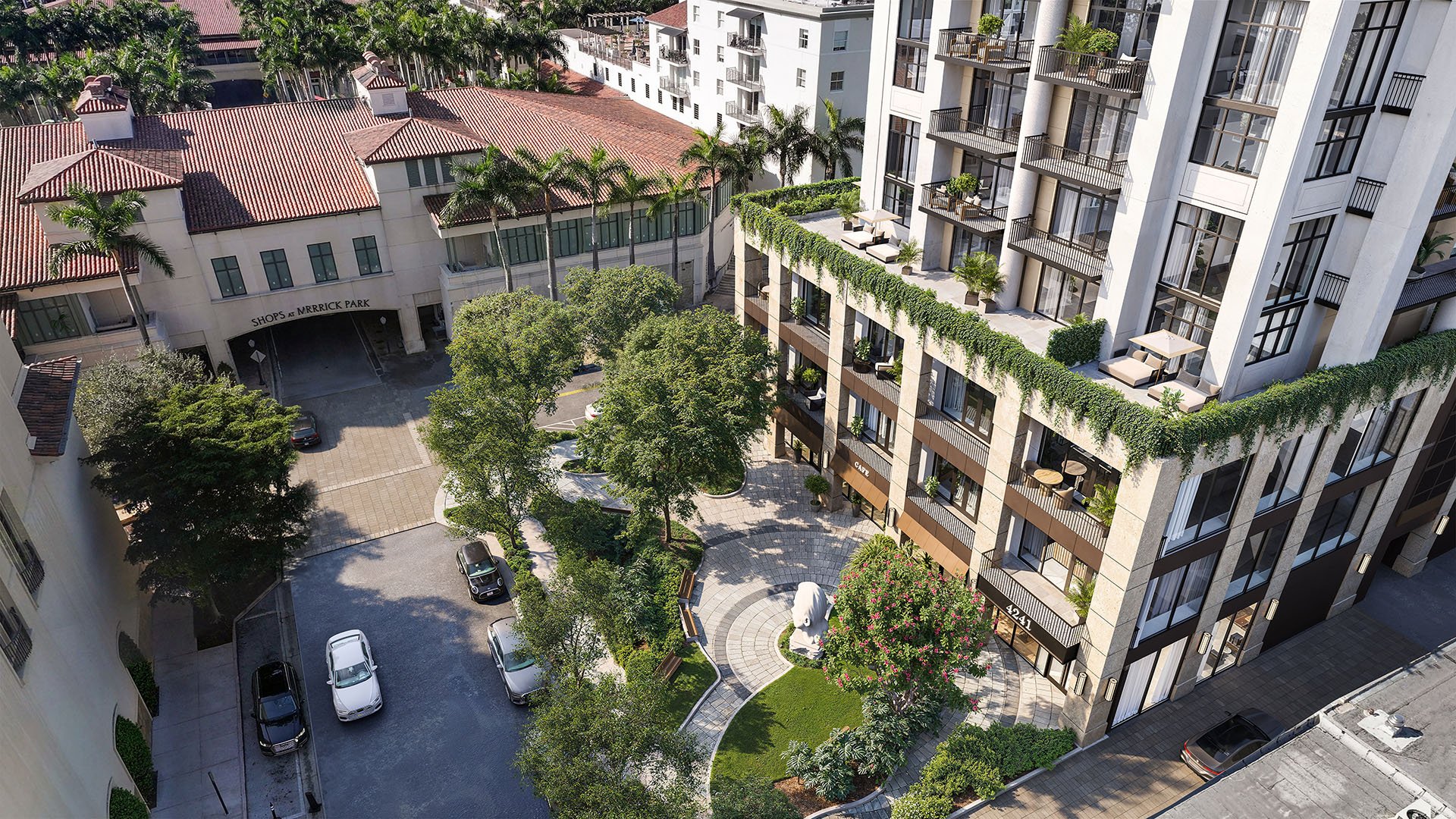
At Cora Merrick Park, ownership quality should be evaluated not only through design and amenities but also through what happens after severe weather, when access, power, personnel, and building systems must perform under pressure.
The development's precise post-storm credential system, emergency-power coverage, staffing model, and reopening sequence should be treated as document requests rather than assumptions. This is especially important during pre-construction, when buyers may have an opportunity to review specifications and planned operating procedures before closing.
The central principle is straightforward: resilience is not a single amenity. It is a coordinated system of authority, access control, electrical capacity, fuel logistics, staffing, and vendor response.
Resilience is not one amenity, but a coordinated operating system.
Request the written re-entry plan and identify every decision-maker by role. The documents should distinguish a public all-clear from the building's own authorization to reopen. General clearance does not necessarily mean elevators, electrical rooms, water systems, parking areas, or residential floors are ready for occupants.
The plan should state whether management, an engineer, the association board, or another designated party authorizes each stage. It should also establish succession if the primary manager is unreachable. Buyers should look for a clear priority order covering management, inspectors, emergency contractors, security, board representatives, and residents. The earliest entrants may need to document damage and test systems before general access is permitted.
Communication channels matter as much as authority. Confirm whether residents receive email, text messages, app notifications, recorded calls, or portal updates, and ask what replaces those channels if cellular or internet service is interrupted. Public alerts can complement a building-specific plan, but they do not replace one.
A mobile credential can be convenient during ordinary operations. Post-storm diligence asks what happens when the network, reader, or power supply fails. The building should specify the ordinary entry method and identify the manual fallback at every controlled threshold required to reach a residence.
The fallback procedure should explain how identity is verified. Relevant details include whether security consults a current resident roster, requires photo identification, records entrants manually, or screens guests and contractors separately. Buyers should also ask where the roster is stored, who can access it, and how household members, domestic staff, or authorized representatives are handled.
Elevators require a separate answer. Early re-entry may be limited to stairs until elevator inspection and clearance are complete. Determine whether a designated elevator is connected to emergency power, who must clear it after the storm, and whether initial use is reserved for inspectors, staff, or emergency work. Backup power alone does not establish permission to operate.
Buyers should request confirmation of whether permanent standby generation is included and, if so, its fuel type, rated capacity, expected runtime, and refueling assumptions.
The decisive document is the generator load schedule or electrical single-line diagram. A broad phrase such as “backup power” does not reveal which systems receive electricity. The schedule should identify the systems assigned to emergency power, including any life-safety equipment, emergency lighting, access controls, security equipment, pumps, or designated elevator. Each item requires confirmation in the project documents.
Ask about common-area cooling, corridor ventilation, amenity power, domestic-water pumps, booster pumps, and in-unit electricity individually. None should be inferred from the inclusion of other emergency loads. If limited cooling is contemplated, the documents should identify the specific spaces served rather than imply building-wide comfort.
Fuel planning is equally material. Request the on-site reserve assumption, estimated runtime under the documented load, contracted refueling provider, delivery priority, and response terms. A specific written agreement is more useful for diligence than a general assurance that fuel can be obtained after a storm.
Determine whether the property will have a dedicated on-site manager or a manager responsible for multiple properties. The emergency chart should identify the role with spending authority, the alternate decision-maker, and the person authorized to engage contractors when normal approvals are impractical.
Buyers should also ask whether any manager, engineer, or security personnel are expected to remain during severe weather. If the policy is evacuation, the plan should state when staff may return and who determines that conditions are suitable. Preparations should address vendor contacts, emergency authority, staffing coverage, and staging arrangements.
Vendor readiness should encompass elevator, electrical, generator, water-remediation, and engineering services as applicable. Ask which firms are preapproved and whether their agreements provide priority response after a regional event. Post-storm work should address documenting damage before repairs, testing critical building systems, controlling contractor access, and reopening in stages.
Request target timelines for the initial safety inspection, limited resident re-entry, elevator restoration, and amenity reopening. These are planning targets, not guarantees. Their value lies in clarifying sequence, responsibility, and dependencies.
The same discipline applies across the South Florida luxury market. Buyers comparing Ponce Park Coral Gables and The Village at Coral Gables can raise the same questions about credentials, generators, and staffing. A comparison with Park Grove Coconut Grove can likewise center on documentation rather than assuming that location, service level, or design language resolves operational questions.
Residents should maintain personal evacuation plans, monitor official hurricane and flood alerts, and keep appropriate emergency supplies ready. Building resilience supports individual preparation; it does not replace it.
For discreet guidance evaluating Cora Merrick Park and other South Florida residences, connect with MILLION.
If branded residences are on your mind — as a home or as an allocation — we would be glad to share what we are seeing, privately.
Begin a quiet conversationNo precise system is established in the provided materials. Buyers should request written documents describing credentials, fallbacks, authority, and reopening stages.
The written plan should identify the responsible role and an alternate while separating a public all-clear from building-specific reopening approval.
Confirm how residents enter if electronic credentials, power, or networks fail, including any physical-key or manual procedure.
The building should document whether it uses photo identification, a current resident roster, security screening, or manual sign-in.
Yes. Elevators may remain unavailable until inspection, so buyers should ask how limited re-entry works before elevator clearance.
Request the generator load schedule or electrical single-line diagram showing the systems assigned to emergency power.
No. Common-area cooling, corridor ventilation, amenities, and in-unit electricity should each be verified separately.
Buyers should verify whether these pumps are included in emergency loads because their operation can affect water service during an outage.
Confirm the management model, emergency succession, spending authority, storm-period staffing, and conditions for staff return.
No. They should be treated as planning targets showing the intended sequence for inspection, limited access, elevator service, and amenities.