A discreet buyer’s guide to evaluating valet capacity before purchasing a luxury residence in Palm Beach Gardens, with practical questions about peak arrivals, staffing, circulation, storage, guest access, and HOA documentation.
In Palm Beach Gardens luxury real estate, valet capacity is rarely the first amenity buyers ask about. It should be. The arrival sequence shapes the first and last moments of daily life: returning from dinner, hosting family, welcoming overnight guests, coordinating club outings, or sending a car ahead for service. A residence can offer exceptional finishes and a serene view, yet feel compromised if the porte cochere becomes congested at the wrong hour.
The most sophisticated buyers treat valet not as a convenience, but as an operating system. It touches privacy, staffing, insurance, security, guest experience, package flow, event planning, and resale perception. At properties such as The Ritz-Carlton Residences® Palm Beach Gardens, the expectation is not simply that someone can park a car. The expectation is that arrivals feel composed, predictable, and discreet.
The essential question is not, “Does the building have valet?” It is, “What happens when the building is busy?” Average-day performance can hide the pressure points that matter most to owners. A buyer should ask how the residence handles simultaneous arrivals after dinner, Sunday family visits, holiday weekends, private events, contractor activity, and seasonal occupancy shifts.
Capacity should be discussed in layers. How many vehicles can queue without blocking the entry? Where do cars wait before they are parked? Is there a separate lane or area for residents, guests, vendors, and rideshare drop-offs? What happens if several owners request vehicles at the same time? Is the arrival court designed for large SUVs, chauffeured vehicles, and multi-car households, or does it depend on tight choreography?
A polished answer should sound operational, not cosmetic. If the explanation focuses only on marble, landscaping, and a handsome canopy, press further. Valet capacity is choreography under pressure. The best arrival courts feel calm because the complexity is absorbed behind the scenes.
A beautiful porte cochere is only as effective as the staffing plan behind it. Buyers should ask whether valet service is continuous, limited, or adjusted by time of day. They should also ask who supervises the team, how coverage changes during peak periods, and whether additional staff can be deployed for events or seasonal demand.
Retrieval expectations deserve particular attention. Some buyers are comfortable requesting a vehicle in advance by app, phone, or concierge. Others expect immediate access. Neither preference is wrong, but the residence must align with the way the household actually lives. A second-home owner arriving for long weekends may have different expectations than a full-time resident with school runs, club appointments, and daily errands.
Ask how vehicle keys are managed, where vehicles are stored, and whether the process changes for exotic, oversized, electric, vintage, or chauffeured cars. If charging access, covered storage, or self-park privileges matter, they should be confirmed before contract execution rather than assumed after closing.
Luxury buildings often speak fluently about hospitality, but buyers need to distinguish guest experience from owner priority. A residence can be gracious to visitors and still protect daily access for owners. The question is how the system decides priority when demand overlaps.
Ask whether residents have dedicated access, whether guests must be announced, and whether the concierge or valet team coordinates arrivals in advance. For dinner parties, family visits, and charity evenings, the guest flow should be clear enough that the host is not managing cars by text from the dining table.
The same discipline applies when comparing Palm Beach Gardens with neighboring markets. Buyers looking at Alba West Palm Beach or Forté on Flagler West Palm Beach may find different arrival patterns tied to waterfront settings, urban convenience, or private residential rhythm. The right question is always the same: does the service model fit the way the owner entertains and moves through the day?
Valet capacity is partly staffing, partly architecture. The buyer should study how cars enter, pause, turn, and depart. A narrow approach can make a generous parking supply feel strained. A poorly placed security point can create friction before guests even reach the lobby. A constrained turnaround can complicate life for drivers, owners, and service providers.
Look for practical details. Is there enough covered drop-off space during rain? Can multiple vehicles load luggage without interrupting the main lane? Is there a comfortable place for owners to wait privately? Can a chauffeured vehicle stand briefly without blocking the system? Is the service entrance separated from the resident arrival experience?
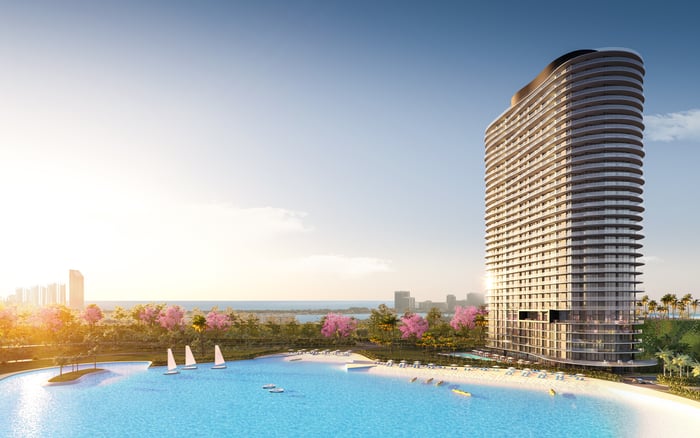
New-construction buyers should be especially careful because renderings tend to show idealized emptiness. A rendering may display one elegant vehicle beneath a canopy; real ownership involves grocery deliveries, visiting grandchildren, golf bags, floral installations, pet carriers, and friends arriving at the same time. The pool, spa, dining, and club amenities may all create their own traffic patterns, particularly on weekends.
The true test of valet capacity appears during exceptions. Ask what happens during private events, board meetings, catered dinners, move-ins, furniture deliveries, and maintenance visits. Are events capped by guest count or vehicle count? Is advance notice required? Does management reserve additional staff? Is there a designated overflow plan, and who pays for it?
Vendor procedures are equally important. In a highly serviced residence, household staff, drivers, dog walkers, florists, art handlers, caterers, and medical providers may all require access. A gated-community estate may handle that activity differently from a full-service condominium, but both require clarity. Security and convenience should reinforce each other rather than compete.
Buyers comparing a broader South Florida lifestyle, from Palm Beach Gardens to Boca Raton and Aventura, should notice how different product types solve the same issue. For example, Alina Residences Boca Raton and Avenia Aventura may appeal to households with distinct daily patterns, but the due diligence remains consistent: understand the arrival system before you fall in love with the residence.
Verbal assurances are not enough. Before buying, request the governing documents, rules and regulations, parking assignments, valet policies, guest procedures, fee schedules, and any management guidance that affects vehicle access. If the residence is new or pre-completion, ask how the operating plan will be finalized and who has authority to modify it.
The most important answers are the ones that survive the sales conversation. Can owners self-park if they prefer? Are valet fees included or billed separately? Are gratuities discretionary? Are guests charged? Are there limits on long-term vehicle storage? Can the association alter staffing levels? How are complaints handled? What remedies exist if service falls below expectation?
This is not about mistrust. It is about protecting the lifestyle the buyer believes they are purchasing. In the ultra-premium market, silence around operations can be more revealing than the amenity description itself.
Why is valet capacity important before buying in Palm Beach Gardens? It affects daily convenience, privacy, guest experience, and the perceived quality of the residence. A weak arrival system can make an otherwise exceptional property feel inefficient.
What is the first valet question a buyer should ask? Ask how the property performs during peak arrival and retrieval times. Capacity during busy moments matters more than a smooth demonstration on a quiet afternoon.
Should I ask about valet staffing levels? Yes. Staffing determines whether the physical design can function gracefully during resident, guest, vendor, and event traffic.
Are valet policies usually negotiable after closing? Often, the policies are governed by association rules or management procedures. Buyers should understand them before signing rather than expecting changes later.
What should multi-car households confirm? Confirm storage, retrieval priority, fees, access for oversized vehicles, and whether any self-park options exist. These details can materially affect daily ownership.
How should buyers evaluate guest parking? Ask where guests arrive, how they are announced, whether charges apply, and what happens during private events. Hospitality should not compromise owner access.
Does valet capacity matter for resale? Yes. Future buyers often notice operational ease, especially in full-service luxury residences where arrival is part of the overall experience.
What documents should I review? Review parking rules, valet policies, fee schedules, guest procedures, and any association documents that govern vehicle access. Written terms matter more than verbal comfort.
Is valet more important in a condominium than an estate? It is different, not necessarily more important. Condominiums rely on shared operations, while estates rely on private circulation and household staffing.
When should valet due diligence happen? It should happen before contract execution or during the review period. Once the purchase is complete, operating realities become part of daily life.
If you'd like a private walkthrough and a curated shortlist, connect with MILLION.
If branded residences are on your mind — as a home or as an allocation — we would be glad to share what we are seeing, privately.
Begin a quiet conversation