A discreet due diligence guide for collectors evaluating Edgewater residences through the lens of art stewardship, logistics, light control, privacy, and long-term fit.

For an art collector, a luxury residence is never only a place to live. It is a climate, a circulation plan, a security environment, a lighting instrument, and, at times, a private gallery with domestic obligations. Edgewater can be seductive for buyers who want a more residential rhythm than the financial core, yet a more vertical, urban outlook than the beach. That appeal is precisely why collectors should pressure-test the neighborhood before allowing views, finishes, or pre-construction momentum to define the decision.
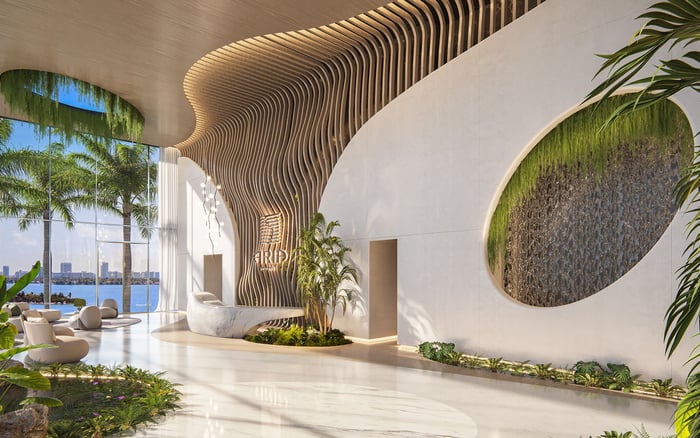
The exercise is not about finding the most dramatic apartment. It is about identifying which building, line, floor, and management culture can support the way a collection is acquired, installed, conserved, loaned, insured, and quietly enjoyed. A collector who thinks this way will evaluate Aria Reserve Miami differently from a buyer seeking a pied-à-terre, even if both are drawn to the same skyline and water exposure.
Before touring, prepare a private inventory brief for your advisor, designer, art handler, and insurance specialist. It does not need to disclose every detail to every party, but it should define scale, medium, fragility, value concentration, and frequency of movement. A residence holding large canvases, delicate works on paper, sculpture, photography, or design pieces has different needs than a home where art is primarily decorative.
Ask whether the apartment can accommodate the collection you own today and the collection you are likely to own in five years. Wall length matters, but so do ceiling heights, sight lines, door clearances, elevator dimensions, loading procedures, and the ability to create calm negative space around major works. The most expensive room is not always the best room for art. Sometimes the superior gallery wall sits away from the main view, protected from direct glare, and revealed only after a deliberate arrival sequence.
Collectors are often fluent in design but too casual about light. A water view can define the emotional value of a residence, yet art demands a separate conversation. Higher floors can bring wider exposure, stronger glare, and more complex window-treatment requirements. Lower or more protected lines may offer a gentler canvas for certain works, depending on orientation, glass, shade, and interior planning.
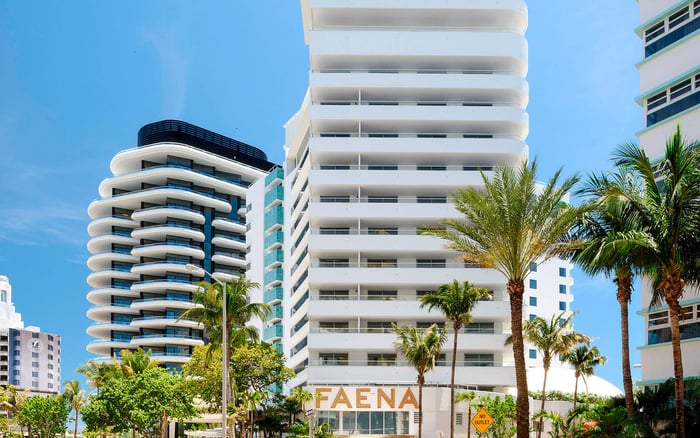
During due diligence, visit at different times of day when possible. If the residence is not yet complete, review the glazing strategy, shade pockets, wall locations, and lighting plan with the same seriousness you would give to an acquisition. Ask where museum-quality fixtures can be placed without cluttering the ceiling. Confirm whether motorized shades, blackout options, and UV-conscious treatments are compatible with building standards. A collector considering EDITION Edgewater should ask not only how the home entertains, but how each principal wall behaves under changing light.
South Florida living is inseparable from climate management. For collectors, that makes mechanical performance part of the acquisition thesis. Ask about HVAC zoning, dehumidification capability, service access, maintenance response, and the practicality of keeping selected rooms within a stable comfort band. The question is not whether the home feels pleasant during a showing. The question is whether it can remain stable while you travel, host, renovate, or rotate works.
This is also where building culture becomes important. A discreet, well-run condominium should have clear protocols for emergencies, service vendors, package handling, contractor access, and after-hours issues. Art does not tolerate improvisation. If a residence requires special monitoring, ask how that can be integrated without making your home feel like a facility. The best result is invisible resilience: systems that protect the collection while preserving the ease of a private residence.
A serious collection moves. Works arrive from storage, leave for conservation, return from framing, travel to exhibitions, or rotate between homes. Before buying in Edgewater, understand the building’s freight elevator dimensions, reservation policies, loading access, protection requirements, insurance certificates, and hours for major deliveries. These operational details can determine whether a spectacular apartment is practical or merely beautiful.
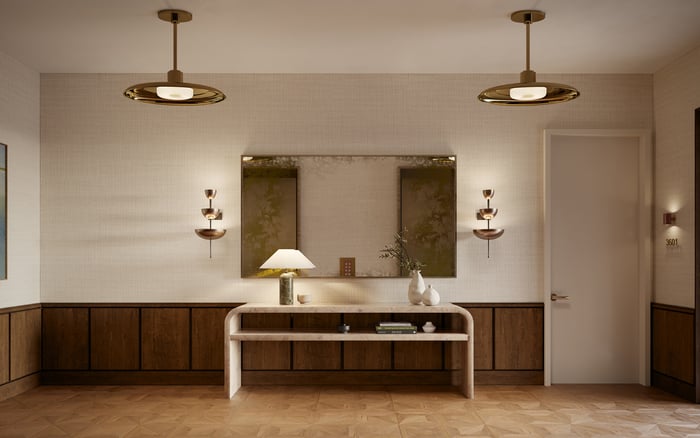
Large-format art introduces another layer. Measure the path from loading area to elevator, elevator to corridor, corridor to residence, and residence entry to final wall. Curved corridors, tight vestibules, ornate entry doors, or delicate common-area finishes may complicate installation. A buyer evaluating The Cove Residences Edgewater should insist on a choreography review before contract confidence hardens into obligation.
Collectors rarely want theatrical security. They want quiet confidence. Evaluate the building’s front-desk procedures, visitor verification, camera coverage in common areas, package controls, valet rhythm, and vendor sign-in policies. Within the residence, consider alarm integration, safe storage for smaller works or documents, private network security for smart-home systems, and whether staff circulation can be separated from more intimate rooms.
Privacy also matters socially. A building with constant short-term churn, highly visible common areas, or permissive access rules may not suit a collector who receives curators, advisors, family office personnel, and handlers. Ask how the building balances hospitality with restraint. In a market where many towers compete on amenities, the more valuable amenity for a collector may be discretion.
For a collector whose calendar revolves around Art Basel, studio visits, patron dinners, and private previews, location should be judged by lived patterns rather than marketing language. Edgewater may suit buyers who want a central Miami base with a residential edge, but the right fit depends on how often you cross to the beach, dine in the urban core, travel from the airport, or host guests before and after major cultural events.
Do a timed rehearsal. Leave the building at the hours you actually move. Invite your designer or advisor to test the route. Notice whether arrivals feel graceful, whether valet rhythm matches your pace, and whether guests can understand the entry sequence without assistance. A residence at Villa Miami may appeal for one lifestyle logic, while another collector may prefer a quieter or more operationally conservative profile. The point is not universal superiority. It is alignment.
Even if you intend to hold long term, resale should be part of the first conversation. Art-capable residences tend to have broad appeal when they combine views, flexible walls, protected service access, well-proportioned rooms, and credible building management. Highly idiosyncratic interiors can be thrilling, but they should not compromise the bones of the home.
Before you buy, ask what another sophisticated collector would value. Does the plan allow more than one furniture arrangement? Are there enough uninterrupted walls? Can lighting be upgraded without invasive work? Is the primary living area visually powerful without forcing art into hostile conditions? Will a future buyer see a residence that supports collecting, entertaining, and calm daily life? Edgewater can reward specificity, but only when that specificity is supported by fundamentals.
The most disciplined collectors separate romance from readiness. They ask whether the residence can receive a major acquisition on short notice, protect a fragile work through a humid summer, host an intimate dinner without exposing private rooms, and remain elegant when the collection changes. They consider the terrace as part of the lifestyle, but do not let outdoor space distract from interior stewardship.
A strong Edgewater purchase should pass three tests. First, the emotional test: you want to live there. Second, the operational test: the building can support the way your collection moves and rests. Third, the curatorial test: the home improves the experience of the art rather than competing with it. When all three align, the residence becomes more than an address. It becomes a private setting with cultural purpose.
Should art collectors prioritize views or wall quality in Edgewater? Both matter, but wall quality, light control, and room proportion should be tested before the view becomes the deciding factor.
Is a high floor always better for collectors? Not necessarily. Higher floors may offer stronger visual drama, but they can also require more careful glare and shade planning.
What should I ask about freight elevators? Ask about dimensions, reservation rules, loading access, permitted hours, protection procedures, and vendor insurance requirements.
Can a luxury residence function like a private gallery? Yes, if lighting, humidity, circulation, security, and service access are planned around the collection from the beginning.
How important is humidity control in Miami? It is central for many collections. Buyers should review HVAC zoning, dehumidification options, monitoring, and maintenance response.
Should I involve an art handler before signing a contract? Yes. A handler can identify access issues, installation constraints, and movement risks that may not be obvious during a showing.
Are terraces risky for art-focused interiors? Terraces can enhance lifestyle, but openings, glare, salt air, and indoor-outdoor traffic should be considered in the art plan.
What makes a building more collector-friendly? Discreet access, strong management, reliable service protocols, flexible interiors, and calm privacy all support collector ownership.
Should resale matter if I plan to hold long term? Yes. Residences with flexible walls, good proportions, and practical logistics usually speak to a wider future buyer pool.
How should I compare Edgewater projects? Compare them through your collection’s needs first, then lifestyle, hospitality, views, and long-term ownership comfort.
If you'd like a private walkthrough and a curated shortlist, connect with MILLION.
If branded residences are on your mind — as a home or as an allocation — we would be glad to share what we are seeing, privately.
Begin a quiet conversation