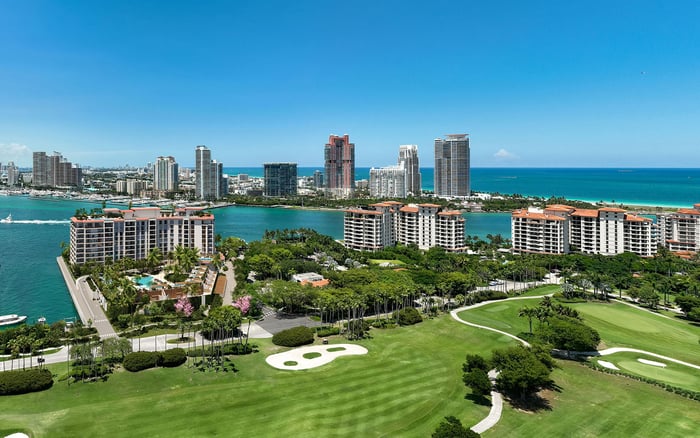
A practical buyer’s guide to evaluating storm preparation services before purchasing luxury real estate in Fisher Island, with emphasis on staffing, systems, insurance, access, and post-storm recovery.
For luxury buyers, Fisher Island is not simply a location. It is a private, highly managed residential environment where discretion, continuity, and service quality are central to value. That makes storm preparation more than a technical checklist. It is a practical test of how a residence, association, estate team, and outside vendors perform when time is compressed and expectations remain high.
The right questions should begin before the contract, not after inspection. A buyer may be drawn to water views, privacy, design, or the prestige of a particular address, but a South Florida coastal purchase also requires a clear view of preparedness. The objective is not to create anxiety. It is to understand who is responsible, what is already in place, what must be added privately, and how quickly the property can return to normal after a weather event.
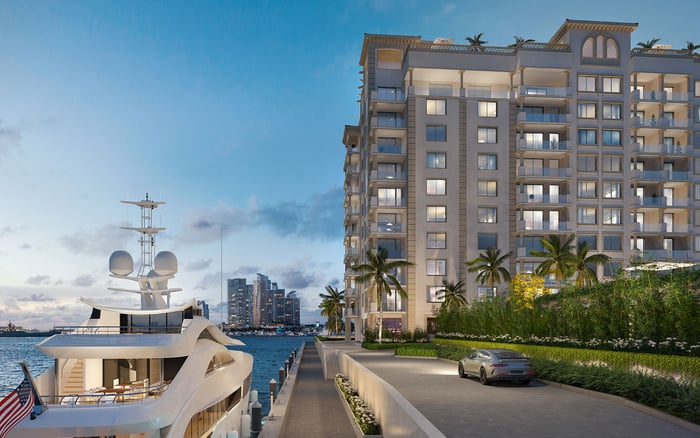
This is especially important when comparing condominium residences, estate homes, and new offerings such as The Residences at Six Fisher Island. Each ownership format may assign responsibilities differently among the association, the owner, the developer, or a private property manager. Sophisticated buyers should treat those distinctions as part of the purchase analysis.
The first question is deceptively simple: who does the work? In a luxury setting, “storm preparation” can refer to many tasks, including securing exterior furniture, protecting glass openings, checking drainage, testing backup systems, communicating access procedures, coordinating staff, and documenting the property before and after the event.
Ask whether preparation is handled by building staff, an association-approved vendor, a private household manager, or the owner’s own contractor. Then ask for the sequence. When is the decision made to begin? Who authorizes the work? How are owners notified? What happens if the owner is abroad, unreachable, or using the residence seasonally?
For single-family or estate-style ownership, such as residences associated with The Links Estates at Fisher Island, the buyer should clarify whether storm preparation is included in a standing management agreement or must be contracted separately. A gated-community environment can create a sense of built-in protection, but the private residence still needs a defined chain of responsibility.
In South Florida luxury real estate, outdoor living is part of the architecture. Terraces, summer kitchens, planters, furnishings, art pieces, and custom lighting can all require preparation. Ask which items are considered owner responsibility and which are handled by the building or association.
If a residence has large expanses of glass, request clarity on approved protection methods and whether any installations require prior approval. If shutters, panels, screens, or other protective systems are present, ask when they were last tested and who has access to operate them. If protection is not present, ask whether it can be installed, who approves it, and whether the visual standards of the building or community impose limitations.
A waterfront residence may be particularly exposed to wind, rain, and salt conditions, even when it is impeccably maintained. That does not make it undesirable. It simply means the buyer should understand the practical maintenance rhythm that supports the lifestyle.
For ultra-premium buyers, the question is not only whether backup power exists. It is what backup power serves, how long it is intended to operate, how often it is tested, and who is responsible for fuel, maintenance, and service calls.
Ask whether life-safety systems, elevators, access control, garage operations, lighting, climate control, security, water systems, and communications are supported. In a condominium, distinguish between building-wide backup and in-residence backup. In a private home, ask for service records and confirm whether critical systems are tied into the backup plan.
The same discipline applies to mechanical rooms, pumps, drainage, pool equipment, smart-home systems, and security hardware. A beautiful residence can feel effortless in ordinary conditions, but the deeper question is whether its systems have been organized for continuity.
Storm planning is also a logistics exercise. Ask how owners, guests, household staff, building employees, vendors, and emergency contractors are managed before and after a storm. A private-island setting can require more careful advance planning than a conventional urban address.
Buyers should ask whether there is a written communication protocol. Who sends notices? Are messages delivered by email, text, phone, owner portal, or property manager? Who communicates if connectivity is disrupted? Is there a designated contact for absentee owners?
For buyers considering established Fisher Island residences such as Palazzo del Sol Fisher Island or Palazzo della Luna Fisher Island, the conversation should include both building-level procedures and private owner preferences. Luxury service is strongest when the owner’s expectations are documented before urgency arrives.
Storm preparation has a financial dimension. Ask for a clear explanation of what the association covers, what the owner covers, and where the lines are drawn. Review insurance requirements with qualified advisors, including deductibles, exclusions, personal property, improvements, temporary housing, and responsibility for interior finishes.
For condominiums, buyers should understand how reserves, special assessments, maintenance obligations, and repair protocols may apply after a storm. For estate homes, review contracts for landscaping, generators, pool service, property management, security, and remediation. The most reassuring answer is not vague confidence. It is a documented vendor network with defined response expectations.
This is also where the marina question may arise for boat owners. If a buyer’s lifestyle includes a vessel, ask separately about storm planning for dockage, lift systems, lines, relocation, insurance obligations, and vendor access. Do not assume the residence plan and the boating plan are the same plan.
The best storm preparation programs include recovery. Ask what happens during the first twenty-four to seventy-two hours after a weather event, without relying on promises that cannot be enforced. Who checks the residence? Who photographs conditions? Who coordinates cleanup, dehumidification, repairs, landscaping, and vendor access?
For seasonal owners, the post-storm inspection may be the most important service. Ask whether the property manager can provide a written condition report, interior humidity readings if appropriate, exterior photographs, and a prioritized repair list. A discreet, organized recovery plan protects both the residence and the owner’s time.
Luxury buyers should also ask how privacy is protected during recovery. Vendor access, building staff, contractors, insurance representatives, and household employees may all intersect. The service standard should preserve discretion while moving quickly.
Storm preparation should inform negotiations, inspections, and closing timelines. Buyers can request documentation, ask for service agreements, review equipment, and clarify responsibilities before removing contingencies. If improvements are needed, the issue may become part of the broader economic conversation.
This does not mean every uncertainty is a defect. In ultra-luxury real estate, many owners customize property management after closing. The key is to know whether the residence already has a mature preparedness plan or whether the buyer must assemble one. On Fisher Island, where privacy and service are essential parts of the proposition, that distinction matters.
What is the first storm preparation question to ask before buying in Fisher Island? Ask who is responsible for preparing the residence and whether that responsibility is documented in writing.
Should condominium buyers ask different questions than estate-home buyers? Yes. Condominium buyers should separate association duties from owner duties, while estate-home buyers should review private management and vendor contracts.
Is backup power enough by itself? No. Buyers should ask which systems are supported, how often equipment is tested, and who services it.
Should terrace furniture and outdoor kitchens be included in the plan? Yes. Outdoor rooms often require specific procedures, storage decisions, and owner approvals before storm season.
How should absentee owners handle storm preparation? They should appoint a responsible local contact and confirm that authorization, access, and communication procedures are in writing.
What should boat owners ask about storm planning? They should ask about dockage procedures, vessel relocation, insurance obligations, and vendor access separate from the residence plan.
Can storm preparation affect negotiations? Yes. Missing documentation, aging equipment, or unclear responsibility may become part of inspection discussions and closing strategy.
Why does post-storm recovery matter? Recovery determines how quickly the residence is inspected, documented, cleaned, repaired, and returned to normal use.
Should buyers review insurance before closing? Yes. Insurance structure, deductibles, exclusions, and coverage for interiors or improvements should be reviewed with qualified advisors.
Is storm preparation part of luxury service? In a high-value coastal residence, it should be treated as a core service expectation rather than an afterthought.
For a tailored shortlist and next-step guidance, connect with MILLION.
If branded residences are on your mind — as a home or as an allocation — we would be glad to share what we are seeing, privately.
Begin a quiet conversation