A discreet buyer’s guide to service elevator due diligence at Nora House West Palm Beach, from move-in choreography and vendor access to storm planning and governance.
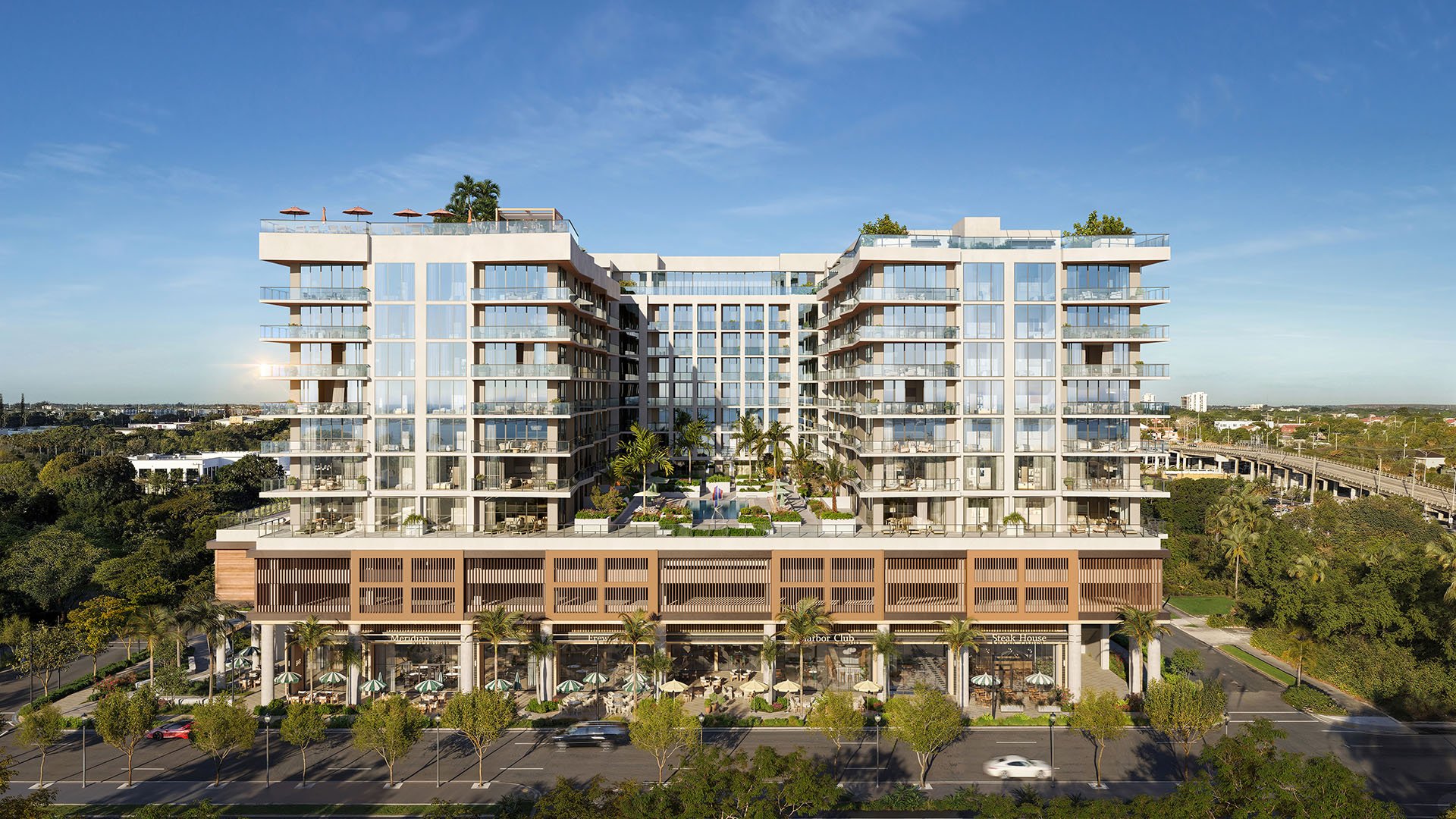
For the buyer considering Nora House West Palm Beach, service elevator availability is not a minor operations detail. It is part of the building’s lived architecture: how a residence receives furniture, art, appliances, florals, wine, wardrobe installations, and service personnel without compromising privacy or calm.
In luxury condominium purchasing, buyers often focus first on views, ceiling heights, finish packages, parking, outdoor space, and amenity design. The service elevator belongs in that same tier of diligence. It affects move-in timing, renovation flexibility, household staffing, delivery discretion, and the ease with which a residence can be maintained after closing.
For West Palm Beach buyers, the question sits at the intersection of lifestyle, boutique living, new-construction expectations, and pre-construction documentation. A polished sales presentation may describe a gracious residential experience, but service elevator protocol reveals how that experience is protected when the building is busy, when vendors arrive, or when several owners need access at once.
The first question is simple: what elevator, if any, is designated for service use, and under what conditions may it be used? Avoid assuming that every luxury building has a fully dedicated service elevator operating independently from resident passenger elevators. Ask whether the service route is separate from the primary residential arrival sequence, whether it connects conveniently to loading areas, and whether it reaches every residential level.
Then ask how the building defines “service.” Does it include daily package movement, housekeeping teams, catering, furniture delivery, art handlers, appliance replacement, contractor work, and owner move-ins? A building may treat those categories differently. A discreet flower delivery and a full furniture installation should not require the same scheduling, staffing, or protective measures.
Buyers should also ask whether service elevator use is guaranteed by written rule or handled through management discretion. Discretion can be valuable in a well-run building, but it can also become ambiguous during peak move-in periods. Written policies make expectations more durable.
The most valuable question is not only “is there a service elevator?” It is “when can I use it, and who has priority?” Ask for the reservation procedure, permissible hours, required notice, cancellation rules, and whether weekend or holiday access is available. If access is limited to certain windows, that may affect move-in planning and future installations.
Priority rules matter. New buildings can experience concentrated delivery periods as multiple residences close, furnish, and customize within a short window. Ask how management allocates time if several owners request the same date. First-come priority, board discretion, contractor coordination, and emergency access policies each create a different practical outcome.
Also ask about blackout periods. Some buildings restrict moves during high-traffic resident hours, special events, amenity programming, or storm preparation. Those limits may be reasonable, but buyers should understand them before coordinating designers, installers, and storage deliveries.
A residence may be beautifully proportioned yet difficult to furnish if the move-in path is narrow, indirect, or heavily restricted. Ask for the full move-in procedure before contract deadlines pass. The questions should include reservation deposits, refundable damage deposits, proof of vendor insurance, protective padding requirements, certificate of insurance language, and supervision fees.
The physical route deserves equal attention. Ask how large items travel from truck to residence: loading zone, back-of-house corridor, elevator cab, turn radius, corridor path, and residence entry. If you intend to install oversized furnishings, a piano, substantial art, custom closets, wellness equipment, or large-format stone, request confirmation that the route can accommodate the plan.
Do not rely on verbal comfort. Ask your design team, receiving warehouse, or installer to review access early. In high-value interiors, a service elevator is not merely a convenience; it is part of the risk-management system for protecting walls, floors, millwork, and collectible pieces.
The service elevator also governs the rhythm of domestic service. Ask how housekeepers, private chefs, wardrobe consultants, pet care providers, floral teams, and maintenance technicians enter and move through the building. A refined residential environment depends on choreography that keeps service efficient without making it conspicuous.
Vendor credentials should be clear. Ask whether all vendors must be pre-registered, whether government identification is required, whether management keeps a vendor log, and whether owners may authorize recurring access. For staffed households or frequent travelers, these details are not theoretical. They determine whether the residence can be maintained seamlessly while the owner is away.
Privacy is equally important. Ask whether service providers pass through residential amenity areas, main lobbies, garage levels, or other visible spaces. The best answer is not always the most elaborate one. It is the one that is consistent, enforceable, and respectful of both residents and staff.
In South Florida, service elevator due diligence should include storm-season questions. Ask whether elevator systems have any backup power support, whether that support extends to service elevators, and what the building’s post-storm restart procedure looks like. Buyers should distinguish life-safety requirements from convenience operations.
Ask who decides elevator priority after a power disruption or weather event. Passenger access, emergency personnel, building engineers, and service deliveries may compete for attention in the immediate aftermath of a storm. If a residence requires medical equipment, refrigerated deliveries, private staff access, or time-sensitive repairs, these questions become especially important.
Long-term maintenance should also be addressed. Ask how often the service elevator is inspected, whether maintenance schedules are communicated to owners, and what the contingency plan is when the service elevator is offline. A single interruption can be manageable; recurring uncertainty can become a lifestyle issue.
The most informed buyers evaluate logistics across more than one address. When comparing Nora House with Alba West Palm Beach, Forté on Flagler West Palm Beach, or Shorecrest Flagler Drive West Palm Beach, ask the same service elevator questions in the same order. That allows you to compare operating culture, not just architecture.
The same discipline applies when considering a more amenity-forward option such as The Ritz-Carlton Residences® West Palm Beach. A brand, amenity package, or elegant arrival sequence does not replace the need to understand move-in windows, vendor access, elevator backup procedures, and association rules.
A buyer who travels frequently may value flexible vendor authorization. A collector may care most about protected art handling. A family relocating from a large single-family home may need several coordinated delivery days. A seasonal owner may prioritize remote access permissions. Service elevator policy should be matched to the way the residence will actually be used.
The goal is not to be difficult; it is to prevent an operational surprise from becoming a closing-week frustration. Ask for written policies, association rules, draft house rules, move-in forms, vendor requirements, and any available management procedures. If the building is not yet complete or rules are still being finalized, ask how future rules will be adopted and who has authority to modify them.
Your purchase agreement, condominium documents, and association rules should be reviewed by appropriate counsel. The service elevator question may not carry the glamour of a terrace or a private amenity, but it can influence day-to-day satisfaction in a tangible way.
A well-run luxury building makes complex living feel effortless. Service elevator availability is one of the hidden systems that creates that effect. Ask early, ask precisely, and ask for the answer in a form that survives beyond the sales conversation.
Is a service elevator guaranteed at Nora House West Palm Beach? A buyer should verify the building’s current plans, condominium documents, and management rules before relying on any assumption about service elevator access.
What is the first service elevator question to ask? Ask whether service access is dedicated, shared, or subject to management scheduling, and request the answer in writing.
Should I ask about move-in hours before signing? Yes. Move-in windows, deposits, insurance requirements, and blackout dates can materially affect relocation planning.
Can a service elevator affect furniture and art installation? Yes. Cab size, corridor turns, loading access, and protective procedures can determine whether large or delicate pieces can be installed smoothly.
Who controls service elevator reservations? Building management or the association typically administers access, but buyers should confirm the governing process and priority rules.
Should seasonal owners ask different questions? Seasonal owners should focus on remote vendor authorization, recurring staff access, package handling, and maintenance entry procedures.
Why does backup power matter for service elevators? Backup power can influence post-storm access and building operations, but buyers should confirm exactly what systems are supported.
Can service elevator rules change after closing? Association rules may evolve, so buyers should understand how policies are adopted, amended, and communicated to owners.
Is verbal confirmation enough? No. Ask for written rules, forms, or management guidance so your expectations are anchored before major planning decisions.
Should I compare Nora House with other West Palm Beach condominiums? Yes. Using the same service elevator checklist across properties makes differences in operating culture easier to see.
For a confidential assessment and a building-by-building shortlist, connect with MILLION.
If branded residences are on your mind — as a home or as an allocation — we would be glad to share what we are seeing, privately.
Begin a quiet conversation