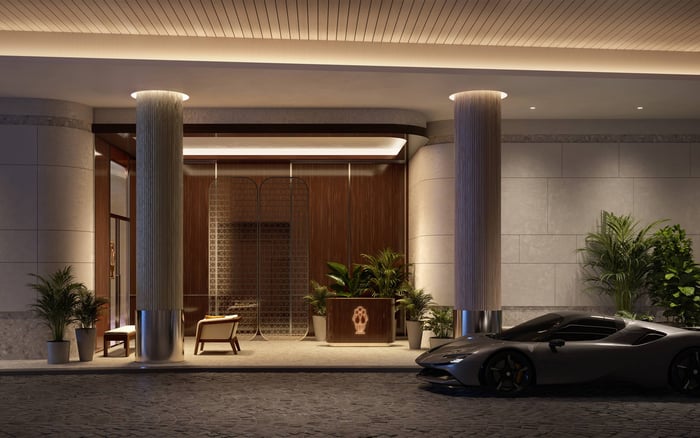
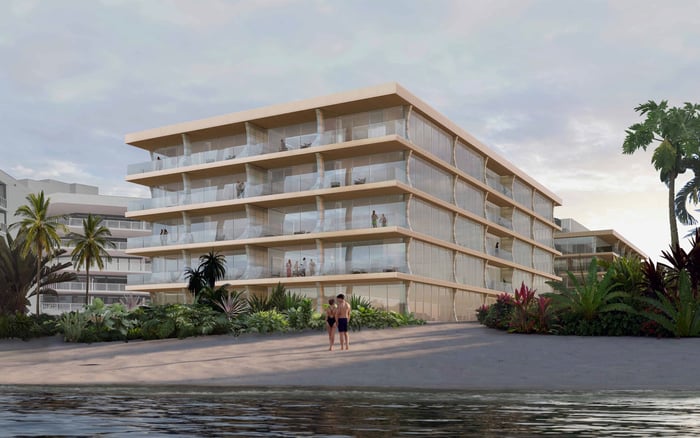
Private dining amenities can shape daily life, entertaining, privacy, and ownership costs. Buyers comparing Mr. C Residences and South Flagler House should examine not only the available venues, but also who controls them, who may cater, and which events are permitted.
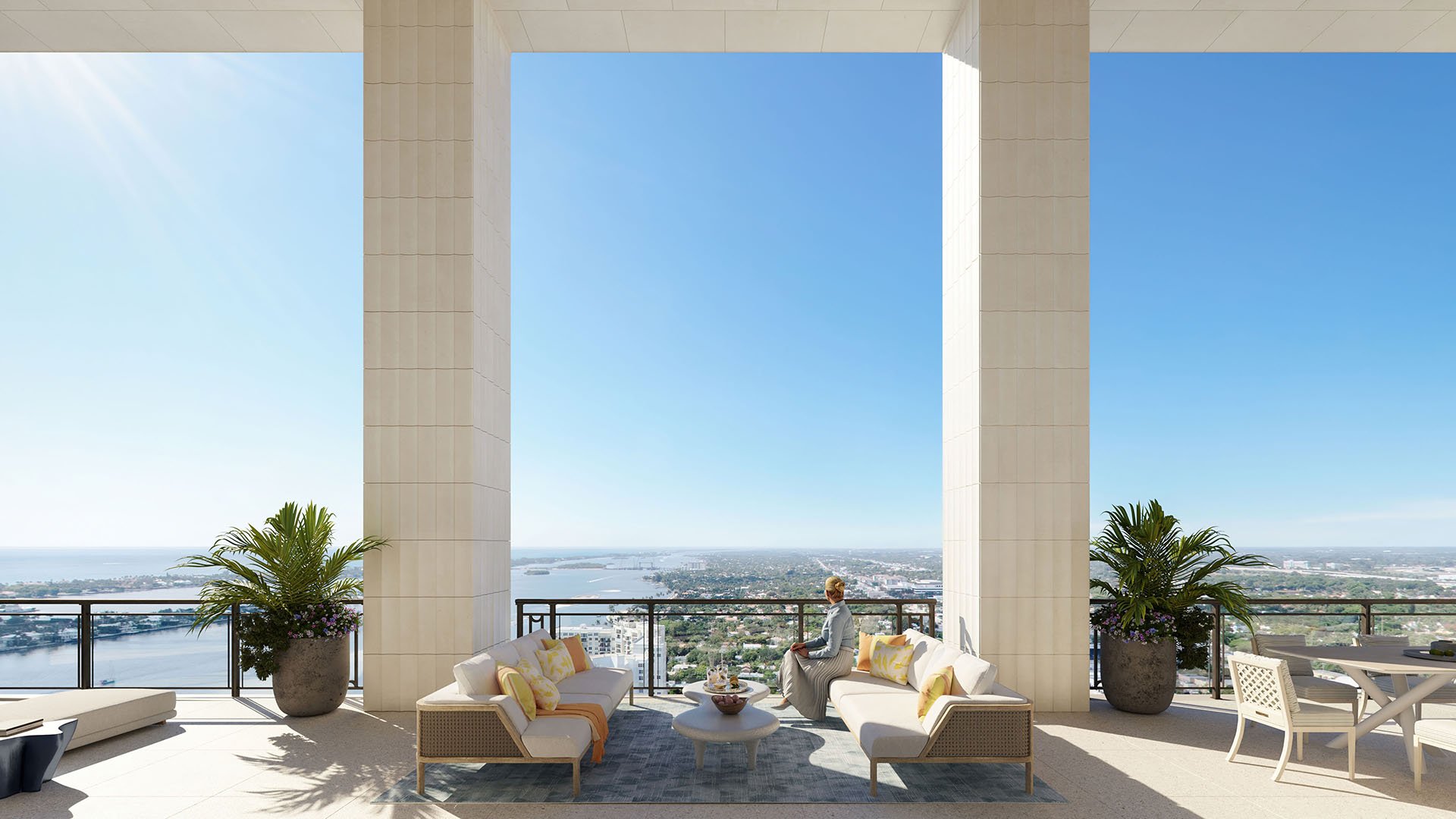
For buyers who entertain regularly, a private dining room is more than a photogenic amenity. It is an extension of the residence: a setting for family celebrations, chef-led dinners, business gatherings, wine tastings, and philanthropic occasions. Yet its practical value depends on a less visible framework of reservation priority, catering access, guest limits, alcohol rules, staffing requirements, fees, and permissible event types.
That framework deserves particular attention when comparing Mr. C Residences West Palm Beach with South Flagler House West Palm Beach. Both present sophisticated food, beverage, and social programs, but their operating models differ materially. Mr. C is part of a branded hotel-and-residence development, while South Flagler House is presented as a two-tower luxury condominium centered on resident amenities.
The value of a private dining room depends on the rules governing its use.
Within the wider West Palm Beach pre-construction market, this distinction can influence privacy, convenience, flexibility, and the true cost of hosting. It also provides a useful lens for evaluating branded residences, where extensive service may intersect with hotel, restaurant, or club operations.
Mr. C advertises in-residence dining and event catering alongside Bellini Café and Bellini Restaurant. An upper-floor Bellini Restaurant is planned, while Bellini Rooftop is positioned as a private members lounge for dining, socializing, and curated experiences involving members and hotel guests. The broader hospitality program also includes a ballroom and lounge settings, creating several potential formats for private functions.
For an owner who prefers staffed entertaining, this model can be compelling. A dinner might be supported by an established food-and-beverage operation rather than coordinated through several independent vendors. The ballroom also gives Mr. C a structural advantage for hotel-style functions requiring greater capacity or more formal service than a conventional condominium party room may offer.
That same integration raises essential questions. Buyers should determine whether residents receive priority over hotel or club bookings, whether blackout dates apply, and whether ballroom reservations carry minimum spending requirements. They should also ask whether Bellini catering is mandatory, preferred, or simply available. The available amenity materials do not specify outside-caterer eligibility, event fees, guest limits, music rules, closing hours, or booking priority for private spaces.
Portfolio-wide owner benefits include preferred hotel rates, signature dining, and access to select special events. Those benefits are attractive, but buyers should not assume they extend to private-event bookings, venue discounts, waived minimums, or preferential dates unless such treatment is confirmed in writing.
South Flagler House advertises an indoor-outdoor, residents-only restaurant, distinguishing its dining concept from a public hotel restaurant model. Its hosting infrastructure includes an entertainment lounge with a catering kitchen, a separate commercial kitchen, private dining rooms, and an outdoor dining patio. A wine-tasting room with storage lockers provides an additional setting for smaller food-and-wine occasions.
The social program also encompasses a library, card room, media room, and cocktail lounge. Together, these spaces suggest a range of intimate and semi-private uses, from a quiet tasting to a seated meal or reception. For buyers who prioritize residential privacy, the residents-only positioning may be especially relevant.
Still, a catering kitchen does not automatically imply unrestricted vendor choice. The available materials do not state whether residents may bring any licensed caterer, retain a private chef, or use only approved or exclusive operators. Buyers should clarify who operates the residents-only restaurant and whether its team has preferred or exclusive rights to serve events in the private dining rooms, entertainment lounge, patio, catering kitchen, or commercial kitchen.
Reservation fees, deposits, cancellation terms, guest caps, quiet hours, and policies governing commercial or charitable functions are also not publicly detailed. These provisions can determine whether a space supports an owner's intended lifestyle or merely provides occasional, tightly controlled access.
The central comparison is not which development has more appealing renderings or a longer amenity menu. It is how each system allocates control. At Mr. C, buyers should investigate the relationship among residential, hotel, restaurant, club, and event operations. At South Flagler House, the focus should be residents-only access, management authority, and the rules governing kitchens and outside professionals.
Other nearby choices can help buyers define their priorities. Those considering Mandarin Oriental Residences, West Palm Beach may be drawn to another hospitality-oriented residential proposition, while Forté on Flagler West Palm Beach and The Ritz-Carlton Residences® West Palm Beach broaden the comparison set. The purpose is not to presume that these projects share identical rules, but to determine whether the preferred ownership experience is hotel-supported service, residential exclusivity, or a particular balance of both.
Within MILLION Buyer's Guides, entertaining policies merit the same scrutiny as views, floor plans, and service standards because they shape how an owner can actually use the property.
Buyers should request the current condominium declaration, house rules, private-event agreement, catering policy, fee schedule, insurance requirements, and approved-vendor list. Marketing language may convey the atmosphere, but governing and operating documents define access.
The review should address reservation windows, owner priority, blackout dates, deposits, cleanup charges, cancellation penalties, security staffing, and responsibility for damage. Ask whether food-and-beverage minimums apply and whether gratuities, service charges, kitchen fees, or required personnel cost extra. Confirm who may serve alcohol, whether a licensed bartender is required, and whether owners may supply wine from a personal collection.
Event format matters as well. A seated birthday dinner may be treated differently from a wedding, corporate meeting, fundraiser, ticketed gathering, or brand activation. Buyers should confirm whether commercial and charitable events are prohibited, conditionally permitted, or subject to board or management approval.
Operational details deserve equal scrutiny. Ask about amplified music, musicians, outdoor-event hours, décor installation, candles, floral deliveries, vendor loading, elevator protection, valet coordination, guest registration, and cleanup deadlines. If an owner expects to host during holidays or peak social periods, booking lead times and recurring blackout dates should be tested against that calendar.
Mr. C appears better configured for hotel-style functions through its ballroom, branded dining, catering, and hospitality venues. South Flagler House appears oriented toward resident-hosted occasions through private dining rooms, lounges, patios, and catering infrastructure. Neither model is inherently superior. The right choice depends on whether a buyer values a staffed hospitality network, residential seclusion, independent culinary control, or reliable access to events of a particular scale.
The most discerning decision therefore reaches beyond the mere existence of a dining room. It establishes who can book it, who can cook in it, what an evening will cost, how late it may continue, and whether the owner's preferred occasions are allowed at all.
For discreet guidance comparing private dining and event policies across West Palm Beach residences, connect with MILLION.
If branded residences are on your mind — as a home or as an allocation — we would be glad to share what we are seeing, privately.
Begin a quiet conversationMr. C integrates residences with hotel, restaurant, club, and event operations. South Flagler House emphasizes residents-only dining and condominium social spaces.
Yes. In-residence dining and event catering are advertised as part of its hospitality program.
The publicly disclosed amenity materials do not specify outside-caterer eligibility. Buyers should request the current catering policy and approved-vendor list.
Yes. Its broader hospitality program includes a ballroom as well as branded dining and lounge settings.
Yes. The project advertises an indoor and outdoor restaurant reserved for residents.
Published materials do not clarify whether outside chefs may use the catering or commercial kitchens. This should be confirmed in writing.
They include private dining rooms, an outdoor dining patio, an entertainment lounge, catering facilities, a wine-tasting room, and several social rooms.
The available project materials do not provide complete fee schedules, deposits, guest caps, or cancellation terms for either development.
Mr. C appears structurally better equipped for hotel-style functions because it includes a ballroom and branded hospitality venues.
Request the condominium declaration, house rules, event agreement, catering policy, fee schedule, insurance requirements, and approved-vendor list.