A discreet buyer’s guide to evaluating seawall condition, association reserves, engineering records, insurance implications, and closing strategy before purchasing a luxury waterfront condo in South Florida.
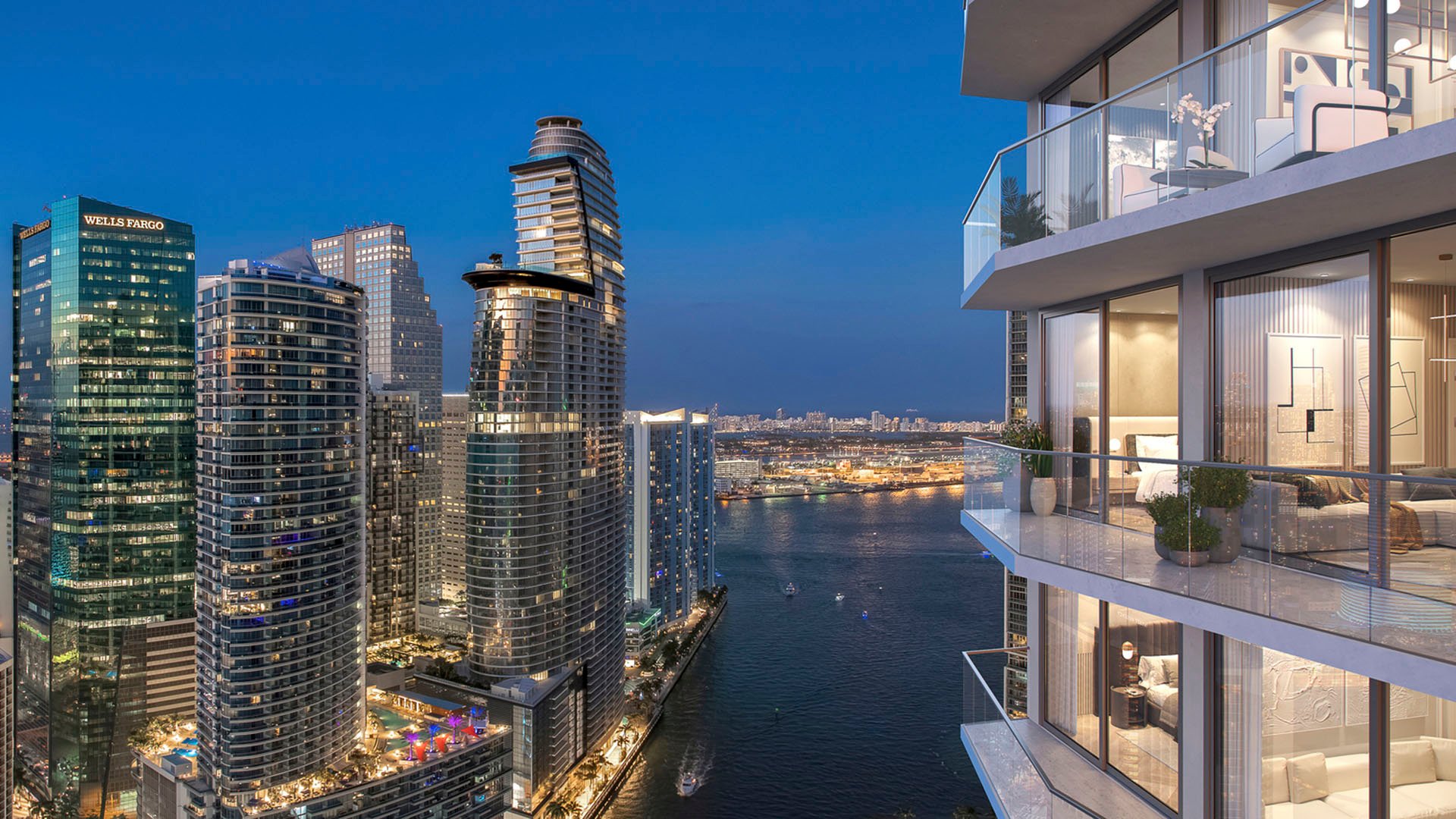
In South Florida luxury real estate, the water view is often the emotional centerpiece. Yet for a waterfront condominium, the seawall is part of the quiet infrastructure that makes the view possible. It is not merely a background edge between land and water. It can affect safety, future capital planning, insurance conversations, financing comfort, and the day-to-day confidence of ownership.
A polished lobby, private elevator, spa deck, oceanfront pool, and water-view residence can be evaluated quickly. A seawall requires a more disciplined eye. Buyers should treat it with the same seriousness they apply to building structure, mechanical systems, reserves, and association governance. This is especially important in markets where salt air, tides, storms, marine traffic, and long holding periods are part of the ownership equation.
For buyers comparing Brickell, Miami Beach, Sunny Isles, Fort Lauderdale, and other waterfront enclaves, seawall diligence should begin before the contract becomes hard. The goal is not to create anxiety. The goal is to replace assumption with evidence.
The first question is deceptively simple: who is responsible for the seawall? In a condominium, responsibility may sit with the association, a master association, a neighboring parcel, a marina operator, or another legal structure. A buyer should request a clear explanation of ownership, maintenance duties, easements, and any shared cost arrangements.
This matters because seawall exposure is not always visible from a balcony. A residence may enjoy direct frontage, while the legal burden is distributed across the entire association. Conversely, a building may appear waterfront-adjacent even though certain retaining structures fall outside its direct control. The distinction can influence future assessments, repair timelines, and negotiating leverage.
Ask whether the seawall is treated as a common element, a limited common element, or part of a broader property management agreement. Review the declaration, bylaws, recent board minutes, budgets, and any capital improvement discussions. If the building includes a marina, ask whether dockage, slips, pilings, and seawall systems are reviewed together or separately.
A verbal assurance that the seawall is “fine” is not enough for a luxury purchase. Ask for the most recent engineering evaluation, structural review, marine contractor report, or reserve-related assessment that mentions the seawall. If a report exists, confirm whether it was visual only or included a more detailed review. If no report exists, ask why.
Useful questions include: When was the seawall last inspected? Who performed the review? Were deficiencies noted? Were repairs recommended? Were any repairs completed? Are additional phases anticipated? Has the association obtained bids? Are there open permits, closed permits, or pending municipal requirements connected to waterfront work?
The answer does not need to be perfect. Many quality buildings maintain infrastructure through cycles of inspection, patching, reinforcement, and capital planning. What matters is whether the association understands the asset and documents its approach. Sophisticated buyers should be more comfortable with a building that has identified and planned for maintenance than with one that offers only informal confidence.
Seawall condition is a physical question, but it quickly becomes a financial one. A buyer should examine whether the association budget, reserve schedule, and capital planning materials contemplate waterfront infrastructure. The presence of a reserve line item, engineering study, or recent board discussion can help frame the likely ownership horizon.
Ask whether funds are already allocated, whether a special assessment has been discussed, and whether completed work was paid through reserves, loans, insurance proceeds, or owner contributions. For resale buyers, this is especially important because the unit price may not fully reveal upcoming association obligations.
A luxury condominium can be beautifully operated while still facing meaningful capital needs. That is not unusual. The concern is opacity. If the association cannot explain how seawall work would be funded, buyers should slow down and ask for more documentation before waiving diligence protections.
Insurance and lending professionals tend to look closely at building risk, association finances, and physical condition. A seawall issue may not automatically derail a transaction, but unresolved infrastructure questions can complicate underwriting, timing, and buyer confidence.
Before closing, ask your advisor whether seawall records should be shared with the insurance consultant, lender, or attorney. If a report indicates recommended work, understand whether it is routine maintenance, near-term repair, or a larger capital project. The distinction can be meaningful.
Buyers should also ask whether the association has recently changed insurance programs, deductibles, coverage limits, or risk-management procedures. The seawall is one part of a larger waterfront profile, alongside roof condition, windows, drainage, electrical systems, life-safety systems, and flood-related planning. A disciplined buyer looks at the whole building, not only the private residence.
A visual walk is not a substitute for engineering review, but it can sharpen your questions. During a showing, observe the waterfront edge at different points if access is permitted. Look for obvious cracking, displacement, settlement, staining, exposed reinforcement, deteriorated cap areas, unusual ponding, soil loss, patched sections, or temporary barriers. Do not diagnose. Simply note what deserves professional explanation.
Ask whether the waterfront edge has changed over time. Ask whether residents have raised concerns. Ask whether management monitors the area after major weather events or unusually high tides. If the property has docks, ask whether repairs to dock structures have ever triggered seawall review.
The most valuable mindset is ownership, not inspection theater. You are not looking for reasons to dislike a property. You are learning how the association manages an asset that is central to the building’s identity and value.
The diligence period should be used with precision. Request condominium documents early. Have counsel review association obligations. If waterfront reports are referenced but not included, ask for them promptly. If the seller does not have certain records, the association or management office may be the appropriate source, subject to building procedures.
If questions remain open, consider whether the offer should include additional review time, document delivery requirements, or closing conditions tailored to association disclosures. In competitive luxury markets, buyers often want to appear effortless. Still, discretion should not mean passivity. Strong buyers ask serious questions calmly and early.
If findings are material, they may influence price, escrow strategy, closing timeline, or the decision to proceed. In some cases, a documented repair plan may be acceptable. In others, uncertainty around scope, funding, or timing may justify a different approach.
The strongest answer is not always “nothing is wrong.” A better answer may be: the seawall was reviewed, recommendations were made, the board approved a plan, funds were allocated, permits were addressed, and updates are available in the association records. That kind of response suggests governance.
By contrast, vague statements should invite follow-up. “We have never had a problem” may be true, but buyers should still ask how the association knows. “Repairs were done years ago” should lead to questions about scope, contractor, permits, warranties, and remaining useful life. “The board is discussing it” should lead to questions about meeting minutes, estimates, and funding paths.
Luxury is not the absence of maintenance. In South Florida, luxury is often the quality of stewardship behind the scenes. A seawall is one of the clearest tests of that stewardship.
Should I ask about the seawall before making an offer? Yes. Early questions help you decide whether the property deserves deeper diligence and whether your offer terms should reflect additional review.
Is a seawall inspection the same as a condo inspection? No. A standard unit inspection usually focuses on the residence, while seawall review may require specialized engineering or marine construction expertise.
Who usually pays for seawall repairs in a condo? It depends on the condominium documents, ownership structure, and association obligations. Ask counsel to confirm responsibility before closing.
Can a beautiful building still have seawall risk? Yes. Interior finish, amenities, and exterior presentation do not necessarily reveal the condition or funding status of waterfront infrastructure.
What documents should I request first? Ask for engineering reports, board minutes, budgets, reserve materials, permits, repair records, and any association correspondence mentioning seawall work.
Should I be worried if repairs are planned? Not automatically. Planned, funded, and documented repairs may signal responsible management rather than a reason to avoid the building.
Can seawall issues affect financing? They can if they raise broader concerns about building condition, association finances, insurance, or unresolved capital obligations.
Does a higher-floor residence reduce my exposure? Not necessarily. Even owners on high floors may share association costs for common waterfront infrastructure if the documents allocate responsibility that way.
Should my attorney review seawall obligations? Yes. Legal review can clarify maintenance duties, assessment exposure, shared agreements, and whether disclosures are sufficient.
What is the best buyer mindset? Treat the seawall as part of the asset, not a distant exterior detail. Clear records, good governance, and realistic funding are all part of luxury ownership.
To compare the best-fit options with clarity, connect with MILLION.
If branded residences are on your mind — as a home or as an allocation — we would be glad to share what we are seeing, privately.
Begin a quiet conversation