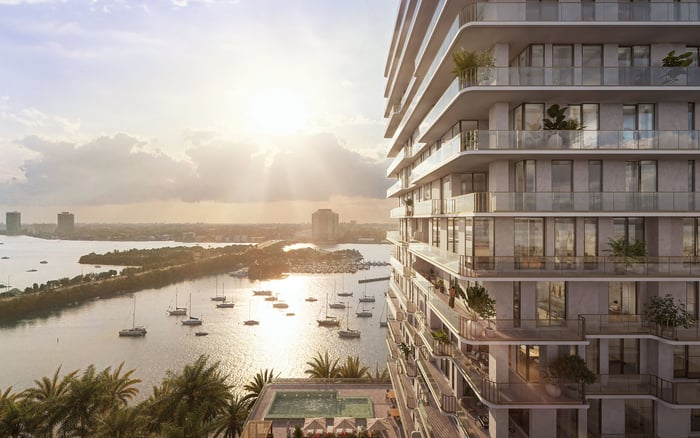
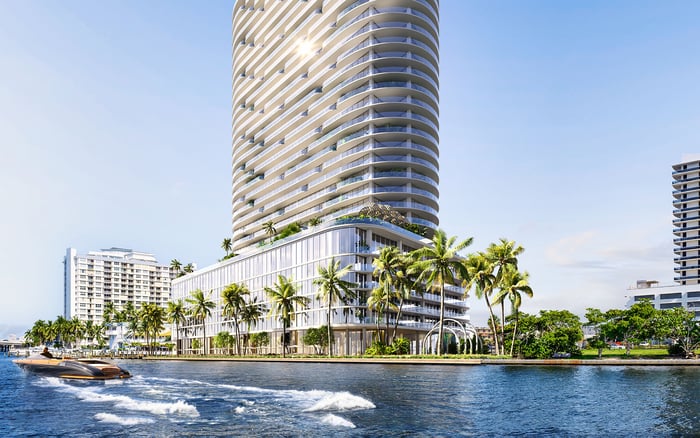
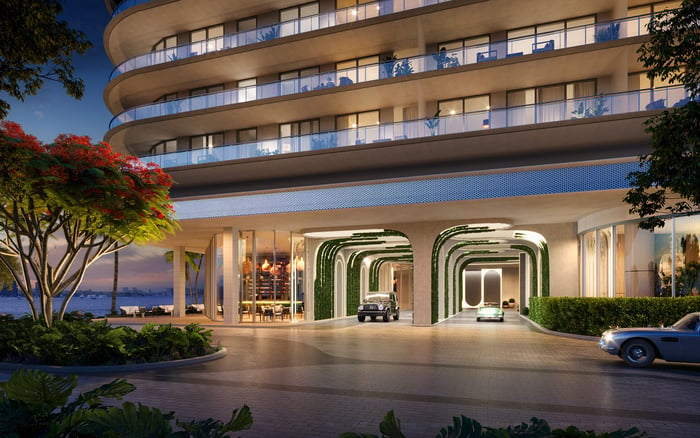
A discreet guide to inspection timing before closing in North Bay Village, with questions luxury buyers should resolve before deposits, deadlines, walkthroughs, and lender requirements converge.
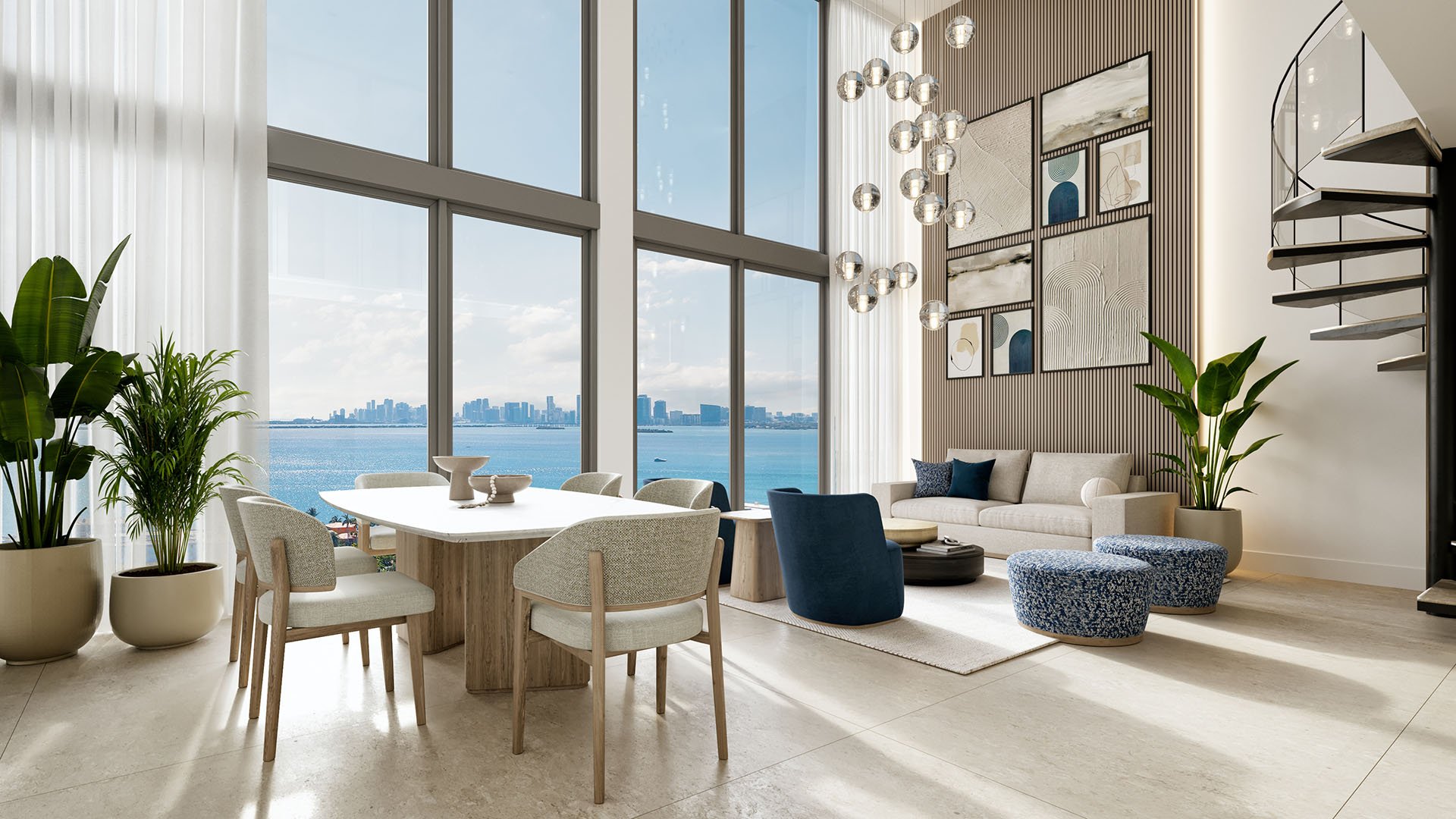
In luxury real estate, the inspection itself is rarely the only issue. The more consequential question is whether the buyer has enough time, access, and contractual clarity to act on what the inspection reveals. That distinction matters in North Bay Village, where waterfront exposure, condominium governance, high-design finishes, and closing logistics can converge inside a narrow pre-closing window.
For North Bay Village buyers, the first question should be simple: when does the inspection period begin, and exactly when does it expire? A sophisticated buyer should not rely on informal assumptions. Ask whether the clock starts at contract execution, escrow receipt, seller delivery of disclosures, association document delivery, or another agreed event. Then confirm whether the deadline is measured by calendar days or business days, and whether the expiration time is stated clearly enough that no one is interpreting it on the morning of closing.
The second question is just as important: what happens if a specialist cannot gain access in time? A general inspection may be straightforward, but a luxury residence can require focused review of HVAC systems, smart-home infrastructure, impact openings, private outdoor areas, appliances, specialty lighting, plumbing, moisture conditions, and building-maintained components. If the contract does not address access delays, the practical inspection window may be shorter than the written one.
A buyer should distinguish between what is inside the residence, what belongs to the association, and what may be a limited common element or building responsibility. That distinction can shape both timing and expectations. In a condominium setting, inspectors may need building cooperation for roof, garage, mechanical-room, dock, elevator, or amenity-area questions. If management requires advance scheduling, certificates of insurance, or limited hours, those requirements should be known before the inspection period begins.
Waterfront property deserves especially careful timing. The inspection conversation may include balcony drainage, seawall context, dock-related access, exterior exposure, salt-air wear, hurricane protection, and water-intrusion signals. Not every item will be within the unit owner's control, which is precisely why the timeline should allow for document review and follow-up questions.
Buyers evaluating Continuum Club & Residences North Bay Village should approach timing as choreography between the private residence, the building team, and the closing calendar. The same discipline applies when considering Shoma Bay North Bay Village, where the elegance of a residence should not distract from the practical sequence of access, review, clarification, and decision.
One of the most common timing mistakes is treating the final walkthrough as a second inspection. It is not. The walkthrough is best understood as a confirmation moment: Is the property in the expected condition? Are agreed repairs complete? Are included items still present? Has anything materially changed since the earlier review?
Before signing, the buyer should ask whether the contract allows a true inspection period, a repair negotiation period, and a final walkthrough, or whether those stages are compressed. If repairs are requested, ask how completion will be documented. Photographs, receipts, licensed-contractor invoices, permits, or reinspection rights may all be relevant depending on the nature of the item. The question is not simply whether the seller will fix something. It is whether the buyer will have enough time to confirm the result before closing funds are released.
This is where a discreet adviser can be invaluable. A well-run process keeps emotion out of the timeline. It identifies what must be inspected immediately, what must be escalated to counsel, what belongs in association review, and what can be handled as a closing condition.
New-construction and Pre-Construction purchases require a different vocabulary around inspection timing. The buyer may not be inspecting a fully lived-in residence. Instead, the key moments may include a developer walk-through, punch-list review, delivery-condition confirmation, appliance testing, finish review, and coordination of closing deliverables.
When a buyer is drawn to the design language of Pagani North Bay Village, the inspection questions should be framed around delivery standards, permitted access, walk-through timing, punch-list procedures, and the buyer's ability to recheck open items. For Tula Residences North Bay Village, the same principle applies: beauty is experienced at move-in, but protection is created in the timeline.
Ask whether the buyer may bring independent consultants to the walk-through. Ask how unfinished items are documented. Ask whether a post-closing punch list is contemplated and, if so, what leverage or procedure governs completion. Ask whether the closing date can move if access is delayed. None of these questions diminishes the appeal of a new residence. They simply preserve the buyer's ability to receive what was promised.
The approach should be intentionally disciplined: inspection timing should be negotiated before urgency arrives. The best questions are direct, specific, and written.
Ask when the inspection period begins and ends. Ask who is responsible for arranging access. Ask whether the seller, building, association, or developer can limit inspection hours. Ask which areas may be inspected beyond the residence itself. Ask whether specialists can attend. Ask whether the buyer may reinspect repairs or punch-list items. Ask what happens if association documents arrive late. Ask whether open permits, warranties, service contracts, or maintenance records will be available early enough to matter.
Also ask what decision must be made before the deadline. In some transactions, the buyer must accept, cancel, request repairs, request credits, or waive conditions within a defined window. A luxury buyer should know the decision tree in advance. The goal is not to create friction. The goal is to avoid discovering, after the deadline, that the contract offered fewer choices than expected.
The most refined acquisitions are calm because the questions were asked early. In North Bay Village, where bay views and design ambition can move quickly from desire to commitment, inspection timing is part of the purchase strategy, not an administrative afterthought.
When should I ask about inspection timing? Ask before signing the contract, not after the deposit is in escrow and calendars are already compressed.
Is the inspection period the same as the final walkthrough? No. The inspection period is for due diligence, while the walkthrough confirms condition and agreed items before closing.
Should waterfront elements be reviewed early? Yes. Waterfront conditions can require additional access, specialists, and follow-up questions with the building or seller.
Can I bring specialty inspectors? Ask in writing. Luxury residences may justify specialists for systems, moisture, smart-home features, finishes, and exterior exposure.
What if the building limits access? Confirm access rules before the inspection period starts and request written extensions if delays affect due diligence.
Are condo documents part of inspection timing? They should be treated as part of due diligence because they may affect the buyer's understanding of obligations and condition.
How should repair requests be timed? Build in time for review, negotiation, completion, documentation, and possible reinspection before closing.
Does new construction change the process? Yes. The focus often shifts to delivery condition, punch-list timing, access rights, and procedures for unfinished items.
What should happen if inspection access is delayed? The buyer should ask for a written extension or other contractual protection before the original deadline expires.
Who should coordinate the inspection calendar? Your adviser, counsel, inspectors, lender, building contact, and closing team should be aligned early to avoid last-minute friction.
When you're ready to tour or underwrite the options, connect with MILLION.
If branded residences are on your mind — as a home or as an allocation — we would be glad to share what we are seeing, privately.
Begin a quiet conversation