A practical, discreet buyer’s guide to evaluating generator coverage before purchasing luxury real estate in South of Fifth, with questions for condo boards, developers, managers, and inspectors.
In South of Fifth, a luxury purchase is often judged through the visible language of real estate: water views, private elevators, ceiling heights, terrace depth, valet choreography, spa amenities, and the tone of the lobby. Yet one of the most consequential questions is usually hidden behind access doors, electrical rooms, service corridors, and board documents: what does the building’s generator actually cover?
For a Miami Beach buyer, generator coverage is not a minor technical footnote. It is part of the residence’s comfort profile, operational resilience, and long-term value narrative. A building may have backup power, but that phrase can mean very different things. It may support only required life-safety systems. It may run select common areas. It may power one elevator bank, garage gates, domestic water pumps, or limited cooling. It may offer no meaningful in-unit power beyond what the electrical code or building design requires.
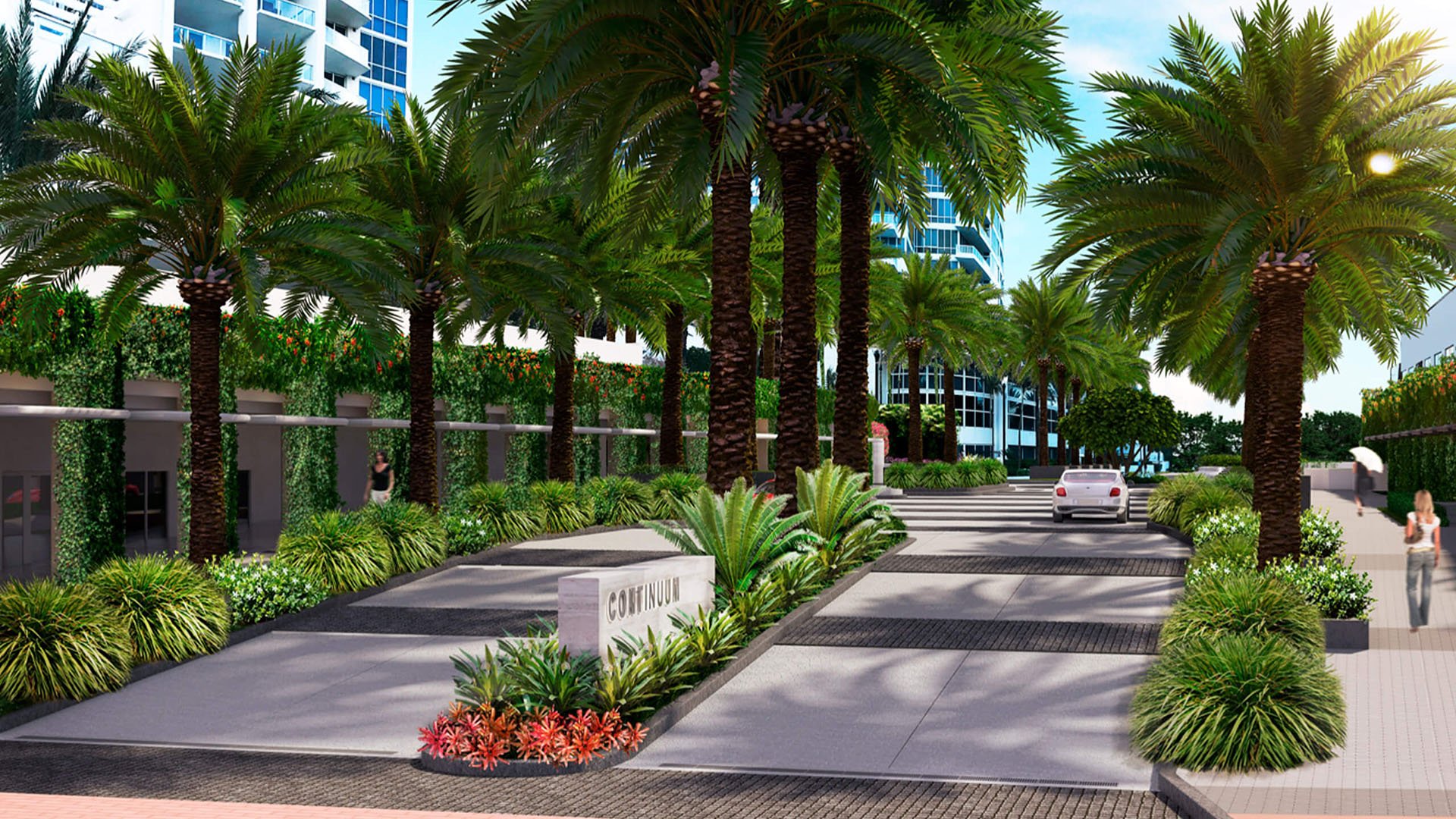
That distinction matters in South of Fifth, where buyers are often comparing trophy resale opportunities with newly delivered or recently renovated product. At established addresses such as Apogee South Beach and Continuum on South Beach, generator diligence should sit beside reserve review, insurance review, and building-history review. The right questions can separate a well-run building from one that simply sounds prepared.
Ask for a plain-language explanation of what is powered during an outage. Do not accept “the building has a generator” as a complete answer. The useful response is a coverage map: which systems remain active, which systems shut down, which are reduced, and which require manual intervention.
The first category is vertical mobility. How many elevators are supported? Are they passenger elevators, service elevators, or only one designated car? If a residence is on a high floor, elevator continuity is not a convenience. It affects staff, guests, deliveries, pets, medical access, and daily living.
The second category is water and drainage. Ask whether domestic water pumps, booster pumps, sump pumps, and critical mechanical systems are included. A building can feel operational in the lobby while becoming uncomfortable upstairs if water pressure or related systems are not properly backed up.
The third category is access. Garage gates, entry systems, fob readers, security desks, package rooms, and certain communications infrastructure all affect how the property functions when power is interrupted. A waterfront address with a gracious arrival sequence still needs practical continuity at the ground plane.
The most emotionally charged generator question is usually the one buyers ask last: will my residence have power?
In many luxury condominiums, in-unit generator support may be limited or absent. In others, certain circuits, panels, or essential loads may be designed for backup. The buyer should ask precisely which outlets, appliances, lighting zones, air-conditioning components, refrigerator circuits, window treatments, smart-home systems, and internet equipment are supported, if any.
This matters because luxury living increasingly depends on integrated systems. Motorized shades, access controls, lighting scenes, security cameras, wine storage, refrigeration, and home offices can all be affected by outage conditions. In a highly amenitized Miami Beach building such as The Ritz-Carlton Residences® South Beach, a buyer should still distinguish between branded service standards and the technical reach of backup power.
For penthouse and large-format residences, the conversation should become more granular. Ask whether private mechanical equipment, dedicated HVAC zones, elevator vestibules, terrace systems, plunge pools, outdoor kitchens, and specialty lighting require separate review. If the seller has installed supplemental systems, request permits, maintenance records, warranties, and written confirmation that the installation complies with building rules.
Coverage is only one part of the equation. Duration is the other. Ask what fuel source the generator uses, how fuel is stored or supplied, and how long the system is expected to operate under typical emergency loads. Avoid relying on casual estimates. The better question is: under the building’s designed load assumptions, what is the expected operating window?
Transfer timing is also important. Does power transfer automatically, or does a building engineer need to intervene? Are some systems designed to restart immediately while others require staged activation? For buyers who travel frequently or use the residence seasonally, automation can be an important point of comfort.
Maintenance should be discussed with the same seriousness as marble selection or elevator privacy. Ask how often the generator is tested, whether testing occurs under load, who services it, and whether any recent repairs or deficiencies have been noted. A generator that is rarely exercised can become more of an amenity claim than an operational asset.
Generator diligence belongs in the contract review period, not the week before closing. Request condominium documents, board minutes where relevant, budgets, reserve line items, insurance summaries, maintenance contracts, and any engineering summaries that address backup power. Your attorney, inspector, and building consultant can help interpret what is material.
For buyers, the most important advice is simple: convert every verbal assurance into a written document or written answer. If a listing description implies robust backup power, ask the seller or association to define that statement. If a manager says the generator covers “most things,” ask which things are excluded.
In competitive South of Fifth negotiations, buyers sometimes hesitate to press technical questions for fear of seeming difficult. That is misplaced discretion. A sophisticated seller, board, or developer should expect informed diligence. The goal is not to find fault. The goal is to understand how the property behaves when the grid does not.
A South of Fifth buyer often looks beyond the immediate neighborhood to understand relative building quality across Miami Beach. That makes generator coverage a useful comparison point. When touring newer or recently repositioned addresses, including coastal residences such as 57 Ocean Miami Beach, ask the same questions in the same order. Consistency reveals differences that polished presentations can obscure.
This is especially relevant when comparing boutique buildings with larger resort-style properties. A smaller building may offer intimacy and privacy, while a larger property may have deeper operational staffing. Neither format is automatically superior. The important question is whether the generator plan matches the building’s promises, the buyer’s lifestyle, and the expectations of future purchasers.
For a second-home owner, the priority may be refrigeration, security, remote monitoring, and the ability for staff to access and protect the residence. For a full-time owner, cooling, elevators, water pressure, and communications may rank higher. For an investor-minded buyer, documented resilience can become part of the property’s resale language.
The best generator answer is not necessarily the most expansive one. It is the clearest one. A building with limited backup power but transparent documentation may be preferable to a building with vague claims and little detail. In the luxury tier, confidence comes from precision.
Before buying in South of Fifth, ask for the generator’s capacity, coverage, maintenance rhythm, fuel plan, transfer protocol, and in-unit limitations. Ask who is responsible during an outage. Ask how residents are notified. Ask what has been upgraded, what remains original, and what capital planning exists for future improvement.
Generator coverage will never replace architecture, location, or service. But it will reveal something essential about stewardship. In a neighborhood where discretion is part of the appeal, the most valuable systems are often the ones guests never see.
Does every luxury condo in South of Fifth have full generator coverage? No. Coverage varies by building, system design, code requirements, and any later upgrades.
What is the first generator question a buyer should ask? Ask exactly which systems remain powered during an outage and which systems do not.
Should I expect my residence’s air conditioning to run on generator power? Do not assume that it will. Confirm whether any in-unit cooling is supported and under what conditions.
Are elevators usually part of backup power planning? Elevators are a key diligence item, but the number and type of supported elevators can vary.
Why does fuel duration matter? A generator’s usefulness depends not only on what it powers, but also on how long it can operate.
Should generator details be reviewed before closing? Yes. Review them during diligence, with written answers and professional support where appropriate.
Can a seller’s renovation affect backup power? It can. Any supplemental electrical work should be documented, permitted, and consistent with building rules.
Is generator coverage important for a seasonal residence? Yes. It can affect refrigeration, access, security, remote systems, and staff coordination while the owner is away.
Does strong generator coverage improve resale confidence? It can support buyer confidence when clearly documented, especially in coastal luxury markets.
Who should help evaluate generator coverage? Use a qualified inspector, attorney, and, when needed, an electrical or building-systems consultant.
When you're ready to tour or underwrite the options, connect with MILLION.
If branded residences are on your mind — as a home or as an allocation — we would be glad to share what we are seeing, privately.
Begin a quiet conversation