At Apogee South Beach, elegant due diligence extends beyond the residence. A chronological reading of board minutes, litigation disclosures, contracts, budgets, and reserve materials can reveal how governance decisions may shape future costs, flexibility, and resale positioning.
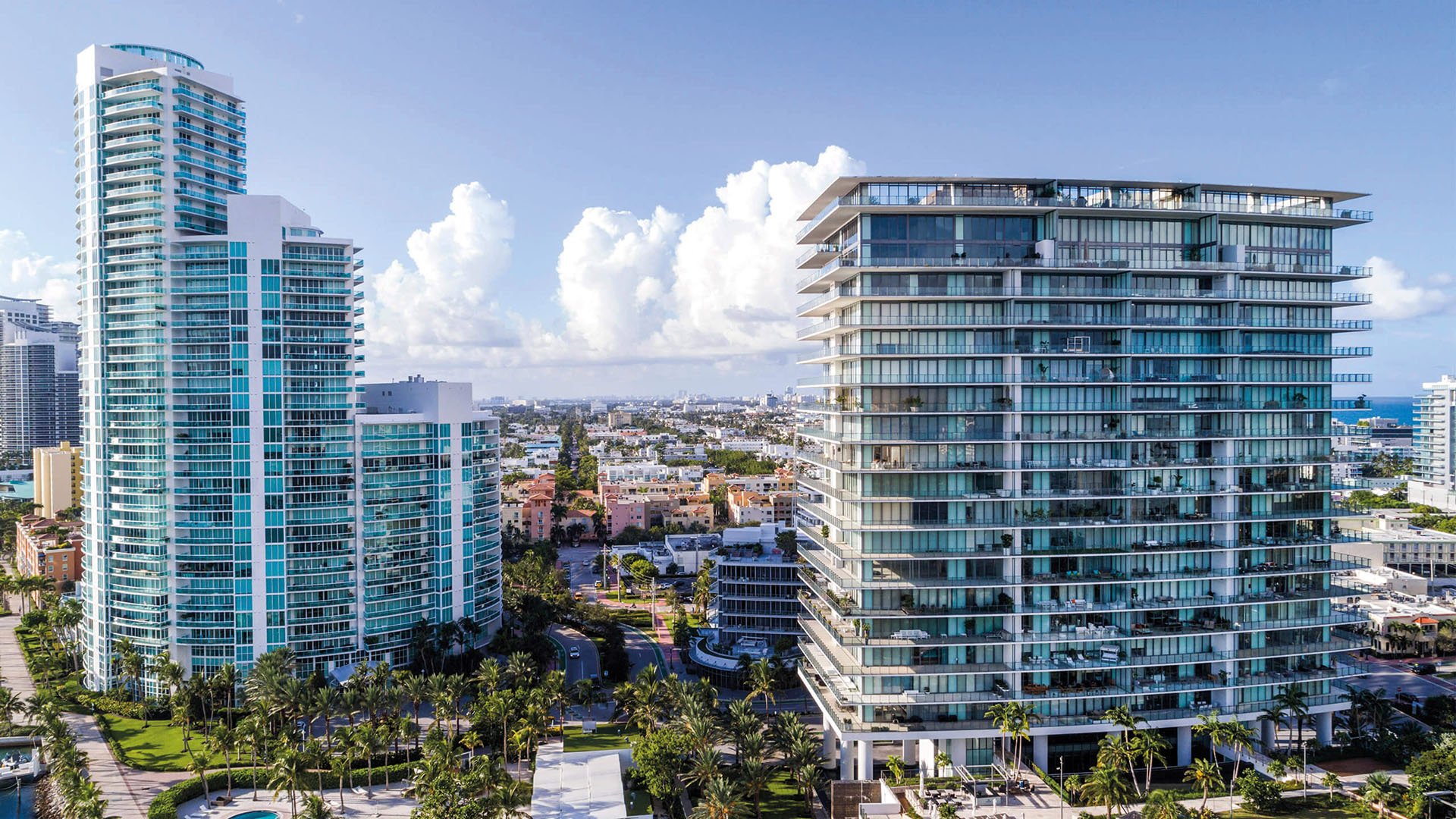
At 800 South Pointe Drive, Apogee South Beach occupies a coveted position in Miami Beach’s South of Fifth neighborhood. Yet even at an address defined by privacy and waterfront stature, the quality of a purchase rests on more than the residence, view, and finish. Association decisions can shape ownership costs, building operations, project timing, and future marketability.
For a buyer, board minutes are not administrative background. They form a chronology of official action. Read alongside litigation disclosures and major contracts, they can reveal what the association has approved, how it intends to pay, whether directors agree, and where an issue may be progressing from discussion to expense.
This is especially relevant to investment and resale decisions in South of Fifth, where sophisticated purchasers often compare established buildings with newer Miami Beach options such as Five Park Miami Beach. The essential question is not which property appears most polished, but which ownership package is best understood.
Minutes must be taken for every condominium board meeting and retained for at least seven years. Effective minutes ordinarily identify the date, time, location, attendees, quorum, motions, resolutions, votes, and adjournment. They are records of action, not transcripts.
That distinction should direct the review. Focus on motions to approve work, award contracts, borrow money, levy assessments, retain advisers, authorize legal spending, or defer a project. Minutes should contain enough detail for an absent owner to understand what the board did and why. Summaries of presentations by engineers, managers, attorneys, and other advisers can be particularly meaningful when they lead to non-routine action.
Request at least 12 to 24 months of board and owner-meeting minutes, recognizing that a longer chronological record may expose patterns a shorter period misses. Several years can reveal recurring special assessments, emergency repairs, postponed work, reserve-funding debates, or repeated reliance on association borrowing.
The same discipline applies when considering nearby Continuum on South Beach or The Ritz-Carlton Residences® South Beach. Brand, architecture, and location frame desire; governance records define obligation.
Minutes should show how each director voted. A single divided vote is not inherently alarming, but recurring abstentions, persistent factions, or repeated opposition to funding can illuminate the board’s operating culture. The pattern matters more than an isolated disagreement.
Contract conflicts warrant equal attention. Directors’ interests in contracts should be documented, and a conflicted director should not participate in the relevant decision. Repeated conflicts involving the same director or vendor merit deeper examination because they may indicate procurement concentration, favoritism concerns, or weak controls.
Look for competitive bids, selection criteria, adviser recommendations, and clear authorization. Sparse minutes do not prove poor governance, but they can make it harder to reconstruct why a major obligation was accepted.
Pending or probable litigation may be discussed in a closed session. Public-facing minutes may therefore record a decision without revealing privileged advice, detailed strategy, or the dispute’s full substance. Limited detail should never be mistaken for immaterial exposure.
Search for approvals to retain counsel, fund legal fees, pursue mediation or arbitration, respond to claims, or ratify settlements. Also search recurring terms such as litigation, claim, settlement, engineer, code enforcement, insurance deductible, loan, line of credit, capital project, and special assessment.
Cross-check those entries against the purchase package, budgets, assessment notices, insurance summaries, correspondence, and any available litigation disclosure. The objective is to understand the potential financial pathway: defense costs, deductibles, settlement funding, project delay, or a future owner contribution. This review does not establish that Apogee currently faces a lawsuit, assessment, or problematic agreement. Apogee-specific conclusions require Apogee-specific records and advice from Florida counsel.
Florida condominium sale documentation includes a separate Frequently Asked Questions and Answers page, along with required disclosures concerning specified contractual obligations. Those requirements address condominium sales or leases with an unexpired term exceeding five years, making the purchase package an essential cross-check against contracts referenced in the minutes.
For each material agreement, identify the counterparty, scope, remaining term, renewal mechanism, price escalators, termination rights, performance standards, and dispute history. Compare the contract with minutes addressing procurement, amendments, renewals, performance complaints, proposed replacements, and funding.
A seemingly routine service arrangement can become consequential if it renews automatically, includes meaningful escalation, limits termination, or overlaps with a capital project. Conversely, a large contract is not necessarily adverse when its scope, approval, funding, and oversight are clear.
The strongest review assembles a complete chronological record rather than selected excerpts. Pair minutes with current and prior budgets, reserve materials, assessment notices, insurance summaries, contracts and amendments, and the latest FAQ and disclosure pages. Compare association records with public land-use and regulatory filings tied to 800 South Pointe Drive.
Create a clear timeline of approvals, deadlines, renewals, funding decisions, and recorded votes. Then ask counsel and financial advisers to reconcile inconsistencies before contractual deadlines expire. For South of Fifth ownership, disciplined documentation is not an exercise in suspicion. It is a way to preserve optionality, price risk intelligently, and enter a waterfront purchase with clarity.
How many months of minutes should an Apogee buyer request? Request at least 12 to 24 months, plus older records when needed to trace recurring projects, assessments, borrowing, or disputes.
Do board minutes contain every discussion? No. Minutes record official actions rather than serving as transcripts, so focus on motions, approvals, funding decisions, and votes.
What voting patterns deserve closer review? Recurring abstentions, divided decisions, persistent factions, and repeated opposition to funding can justify further questions.
Will minutes reveal full litigation strategy? Usually not. Closed sessions and privilege can limit detail, even when public minutes record related authorizations or settlements.
Which litigation entries matter most? Look for decisions to retain counsel, fund fees, enter mediation or arbitration, respond to claims, or ratify settlements.
How should a buyer assess a major contract? Review its scope, remaining term, renewal rules, escalators, performance standards, disputes, termination rights, and amendments.
Why compare contracts with meeting minutes? Minutes may reveal procurement history, renewal debates, performance concerns, proposed vendor changes, and the board’s funding plan.
What can several years of minutes reveal? They may show repeated assessments, emergency repairs, deferred work, reserve debates, or recurring association borrowing.
Do sparse minutes prove that risk is low? No. Limited detail may reflect the nature of official minutes or confidential legal discussions, making corroborating records essential.
Should buyers rely on association records alone? No. Cross-check them against disclosures, budgets, reserves, insurance materials, contracts, assessments, and relevant public filings.
To compare the best-fit options with clarity, connect with MILLION.
If branded residences are on your mind — as a home or as an allocation — we would be glad to share what we are seeing, privately.
Begin a quiet conversation