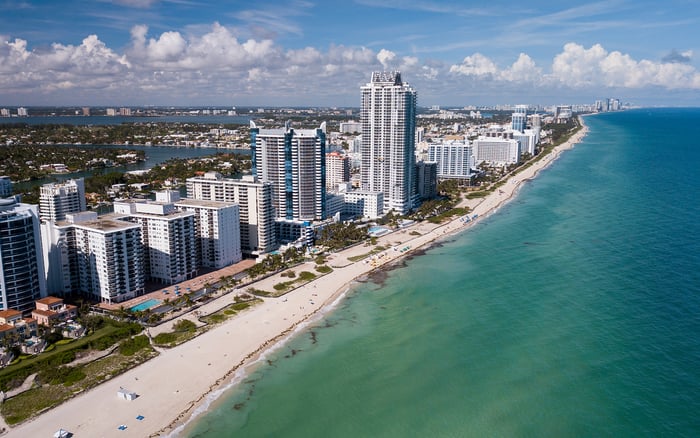
At Apogee South Beach, the inspection label matters less than the underlying findings, deadlines, repair scope and funding plan. A disciplined review can distinguish manageable compliance from open-ended transaction risk.

For a buyer considering Apogee South Beach, milestone-inspection diligence should begin with a deceptively simple question: What is the building’s confirmed certificate-of-occupancy date? That record establishes the statutory timeline and should be verified with the condominium association and the City of Miami Beach building department.
Florida’s milestone framework applies to condominium and cooperative buildings with three or more habitable stories once they reach the applicable age threshold. The initial inspection is generally due by December 31 of the year the building turns 30, with subsequent inspections every 10 years. A local enforcement agency may require the first review at 25 years when environmental conditions, including proximity to salt water, warrant earlier scrutiny.
This distinction is particularly relevant in a Waterfront, Oceanfront market. Do not infer Apogee’s current status from its age, location or neighboring properties. Confirm the notice date, filing history, deadlines and present compliance directly.
Phase One is a visual examination of major structural components conducted by a Florida-licensed architect or engineer. Its purpose is to identify evidence of substantial structural deterioration-not to certify every building system or predict every future expense.
If the inspection finds no substantial structural deterioration, Phase Two is not required, and the next milestone inspection generally occurs 10 years later. That result reduces known near-term structural uncertainty and can strengthen a seller’s response to a broad structural-risk discount.
It is not, however, a verdict on financial health. A clean Phase One does not establish that reserves are adequate or eliminate potential spending on elevators, mechanical equipment or other nonstructural components. For a Resale acquisition, structural and financial reviews must remain separate workstreams.
Phase Two is required when Phase One identifies substantial structural deterioration. This deeper examination may use destructive or nondestructive testing to determine the nature and extent of the issue. Its report must document the deterioration, recommend necessary repairs and state whether the building is structurally safe for continued use.
The phrase “Phase Two” should not be treated as automatic evidence that a property is unsafe. It means further investigation is required. The negotiating issue is uncertainty: how much testing remains, which repairs are recommended, when they must occur and how the association expects to fund them.
Phase One generally must be completed and submitted within 180 days after the association receives written notice from the local enforcement agency. When Phase Two is required, its applicable deadline is generally 180 days after submission of the Phase One report. An open deadline can shape the period between contract and closing, particularly when findings, bids or assessments are still evolving.
Request the complete Phase One report, any Phase Two report, engineering correspondence, the inspector-prepared owner summary, board minutes, budgets, reserve information and every approved or proposed special assessment. Also verify what was filed with the local building department and whether any compliance item remains open.
The milestone inspection and the Structural Integrity Reserve Study answer different questions. The former evaluates structural safety; the latter assesses reserve funding for specified long-life components. A sophisticated Investment decision requires both, along with a clear understanding of existing cash, anticipated contributions and potential owner obligations.
Associations must distribute an inspector-prepared summary to owners and make the full report available through required records and communications. The summary provides a useful orientation, but it is no substitute for the complete technical document. Buyers should compare the report’s recommendations with board discussions, budgets, repair proposals and assessment language.
The same discipline should guide a South Beach peer review. Records for Continuum on South Beach, The Ritz-Carlton Residences® South Beach or Five Park Miami Beach should be assessed on their own timelines and documentation, not used to presume Apogee’s position.
If Phase Two is pending or repair costs remain undefined, a buyer may seek a price reduction, closing credit, escrow holdback or contingency. The strongest request connects a specific unresolved item to a practical allocation of risk. A generic discount demand is less persuasive than a proposal tied to testing, repair scope, assessment approval or a documented per-unit obligation.
Contract review periods can also be tied to the delivery of milestone reports and assessment information, preserving an opportunity to reprice or cancel if material findings emerge before closing. Florida real-estate counsel should define responsibility for assessments, credits, escrows and obligations imposed after closing.
If Phase One is complete with no substantial structural deterioration, negotiations can shift toward reserve strength and anticipated capital work. This is where Pricing & Trends become property-specific: two residences with similar asking prices may carry markedly different exposure once association obligations are considered. At Apogee South Beach, precision is more valuable than assumption.
Is Apogee South Beach currently in Phase One or Phase Two? The available information does not establish its current phase. Verify the complete association file and City of Miami Beach records for the live transaction.
What triggers a Phase Two inspection? Phase Two is triggered when Phase One identifies substantial structural deterioration requiring further investigation.
Does Phase Two mean the building is unsafe? No. It means additional testing is required to define the deterioration, necessary repairs and safety conclusion.
What does a clean Phase One mean? It means no substantial structural deterioration was identified, Phase Two is not required and the next milestone inspection generally occurs 10 years later.
Does Phase One confirm adequate reserves? No. Structural-safety review and reserve-funding analysis serve different purposes.
Which records should a buyer request? Request complete inspection reports, engineering correspondence, board minutes, budgets, reserve information, assessments and local compliance records.
Can an incomplete Phase Two support a price reduction? Yes. Uncertain repair scope and owner costs may support repricing, a credit, an escrow holdback or a contingency.
How can a buyer protect the inspection period? Tie document delivery and review rights to milestone findings, assessment information and material repair obligations.
Who should allocate assessment responsibility? Florida real-estate counsel should define responsibility for assessments, credits, escrows and post-closing obligations in the contract.
What is the first fact to verify? Confirm the certificate-of-occupancy date, which anchors the statutory milestone timeline.
When you're ready to tour or underwrite the options, connect with MILLION.
If branded residences are on your mind — as a home or as an allocation — we would be glad to share what we are seeing, privately.
Begin a quiet conversation