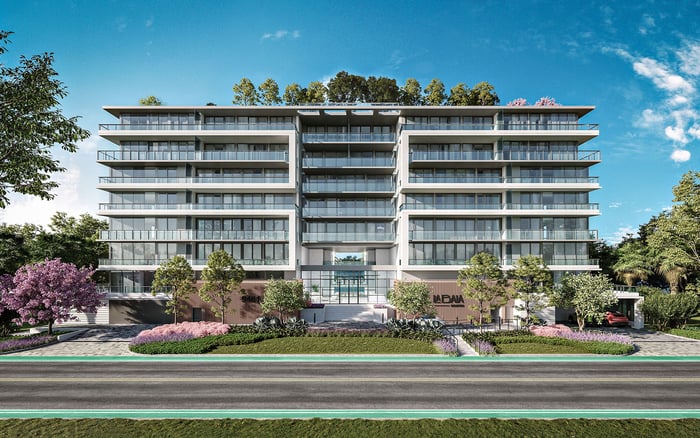
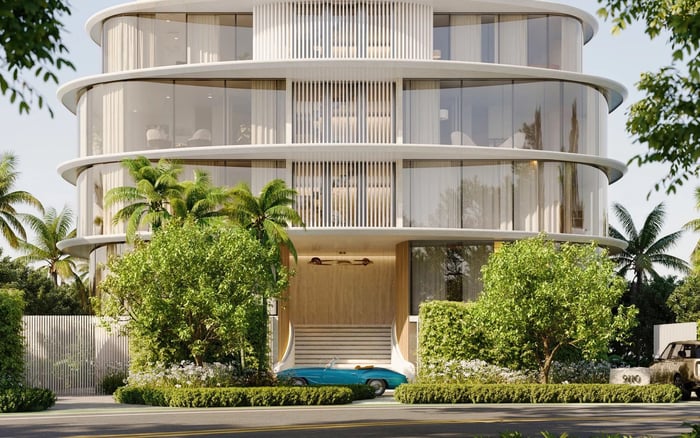
A practical, discreet guide for evaluating developer delivery risk before committing to luxury pre-construction or new-construction real estate in Bay Harbor Islands.
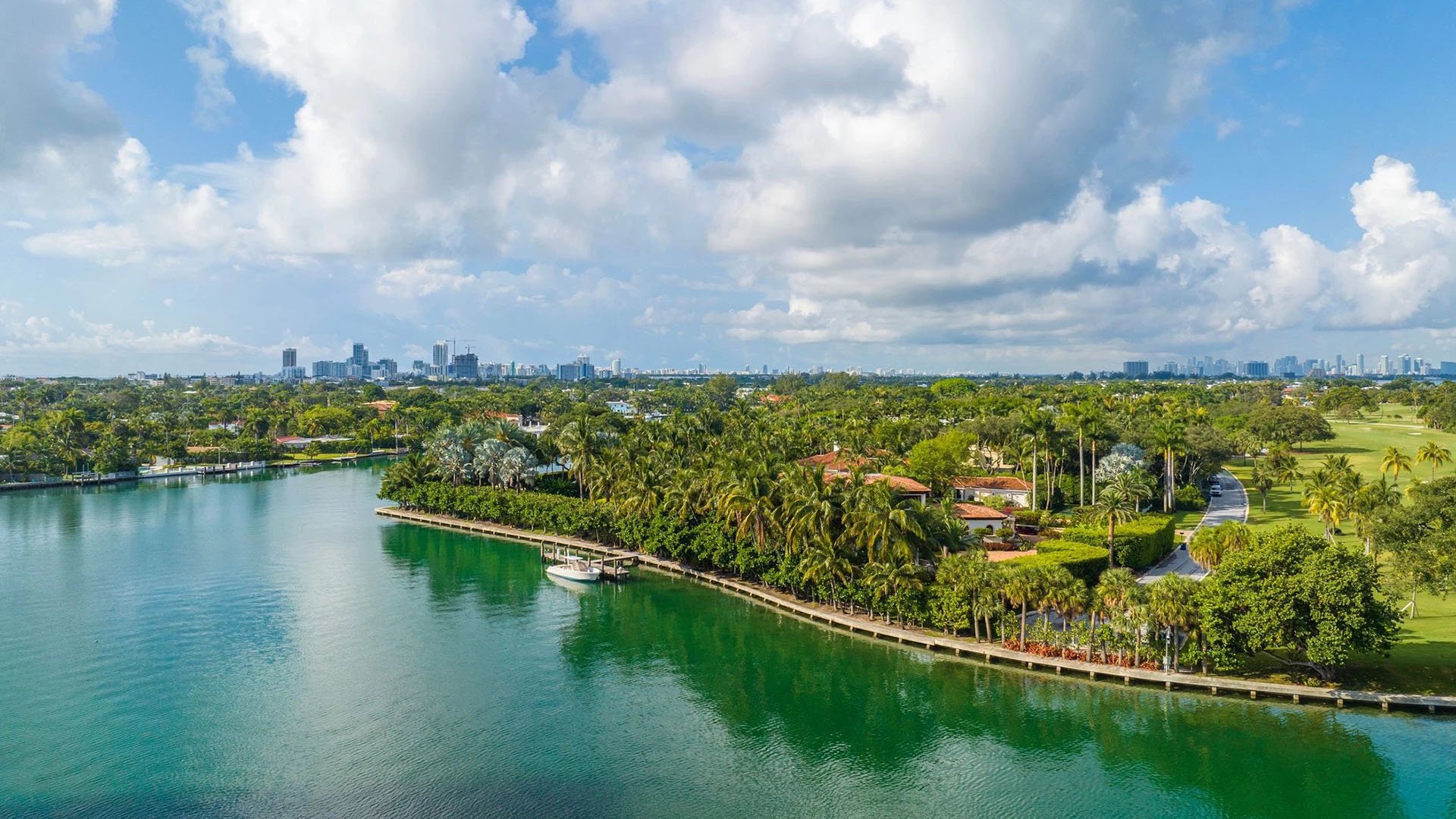
Bay Harbor Islands holds a distinct appeal for luxury buyers: intimate scale, water-oriented living, proximity to established coastal enclaves, and a residential rhythm that feels calmer than the larger condominium corridors nearby. That discretion is precisely why delivery risk deserves a more rigorous conversation before a buyer falls in love with a view, a lobby rendering, or a preferred floor plan.
Developer delivery risk is not a single question. It is a collection of issues: whether the building will be completed when promised, whether the finished residence will match the materials and amenities presented, whether financing and approvals are sufficiently advanced, and whether the buyer has meaningful options if the timeline changes. In a boutique market, the margin for error can feel smaller because buyers are often choosing a highly specific lifestyle, not simply a unit type.
When considering Bay Harbor Islands projects such as Alana Bay Harbor Islands and Origin Bay Harbor Islands, the most sophisticated approach is to treat the sales presentation as the beginning of diligence, not the conclusion.
The first question is deceptively simple: what does the purchase contract actually require the developer to deliver, and by when? Buyers should ask for the outside closing date, any permitted extensions, the events that allow those extensions, and the remedies available if the developer misses the final deadline.
A luxury buyer should also ask whether deposits are held in escrow, when any portion may be released, and under what conditions. The answer matters because deposit structure can affect leverage, comfort, and exit planning. It is equally important to ask whether design changes, amenity modifications, or square-footage adjustments are governed by broad developer discretion or narrower contractual standards.
The contract should be reviewed by counsel experienced in Florida condominium transactions. The goal is not to make the purchase adversarial. It is to know, before signing, which promises are binding, which are aspirational, and which require further clarification in writing.
In pre-construction, elegance should be matched by financial readiness. Buyers can ask whether construction financing has closed, whether the lender has imposed presale or milestone requirements, and whether the developer has sufficient equity committed to move through construction without relying on optimistic market assumptions.
The phrasing should be direct but polished: “What are the major remaining conditions before vertical construction proceeds?” A credible team should be able to explain the sequence in plain language. If the answer is vague, the buyer should continue asking.
For waterfront residences, there may be additional sensitivity around site work, materials, insurance, marine exposure, and construction logistics. That does not make a project unsuitable. It simply means buyers should understand whether the budget and schedule have been built around real-world execution, not just ideal conditions.
A refined sales gallery can obscure an important distinction: the difference between design intent and binding specifications. Buyers should ask which appliances, stone, flooring, windows, doors, cabinetry, plumbing fixtures, and smart-home systems are specified in the contract documents. If substitutions are allowed, ask what standard governs them. “Comparable” can be a useful word, but only if it is carefully defined.
The same applies to amenities. Ask which amenities must be completed before closings begin, which may be delivered afterward, and what happens if a planned feature changes. This is especially important in new-construction projects where lifestyle spaces are central to the value proposition.
When comparing options such as La Maré Bay Harbor Islands and Bay Harbor Towers, do not only compare the mood of the renderings. Compare the precision of the documents, the clarity of the allowances, and the developer’s willingness to answer technical questions before contract execution.
Bay Harbor buyers should ask what approvals remain, what permits are already in place, and whether any off-site improvements, utility work, or public-agency sign-offs could affect delivery. The point is not to become the project manager. The point is to understand the dependency chain.
Ask for a high-level construction schedule and identify the critical path. Foundations, structure, enclosure, interiors, life-safety systems, inspections, and condominium turnover each have their own timing implications. A buyer who understands the sequence will be better prepared to interpret updates and distinguish ordinary construction movement from a meaningful delay.
It is also useful to ask how often buyers will receive progress communication. Monthly silence can feel very different from a transparent update that explains what has advanced, what remains, and whether the target closing window is still realistic.
Delivery risk is not only about whether the building is completed. It is also about the flexibility a buyer has if personal circumstances change. Ask whether assignments are permitted before closing, whether there are fees or restrictions, and whether the developer has approval rights over a transfer.
Financing should be discussed early. Even cash buyers may want optionality, and buyers using debt should understand how appraisal timing, interest-rate movement, and lender requirements could interact with a delayed closing. Ask whether the contract provides any protection if financing conditions shift. Often, the answer will be limited, which is exactly why the question must be asked before signing.
Association budgets, insurance assumptions, and turnover governance also deserve attention. A beautiful building can still surprise an owner if early operating costs are not well understood. Buyers should ask for projected budgets, reserve assumptions, and the expected process for transition from developer control to owner control.
The best buyers ask serious questions without performing suspicion. A calm checklist is more effective than a dramatic interrogation. Ask what has been completed, what remains, what could move the schedule, and who will provide written answers. Then have counsel compare those answers with the contract.
For residences such as Onda Bay Harbor and The Well Bay Harbor Islands, where buyers may be drawn to a highly specific lifestyle proposition, diligence should be even more personal. If a wellness program, marina adjacency, terrace experience, or privacy profile is central to the purchase, ask how that element is protected in the documents.
This is where buyer’s guides become most valuable: not as generic checklists, but as a framework for asking precise questions at the right moment. In Bay Harbor Islands, delivery confidence is part of the luxury. The most desirable purchase is not simply the one with the most beautiful presentation. It is the one where the buyer understands the promise, the protections, and the path to completion.
What is developer delivery risk? It is the risk that a project is delayed, changed, underfunded, or delivered differently than expected. It includes timing, specifications, amenities, approvals, and closing obligations.
Should I ask about the outside completion date? Yes. Ask for the outside date, all extension rights, and the buyer’s remedies if that date is missed.
Are renderings legally binding? Usually, the contract documents matter more than the renderings. Ask which finishes, amenities, and specifications are actually binding.
Why does construction financing matter? A closed and resilient financing structure can reduce execution uncertainty. Buyers should understand what financial conditions remain before completion.
Can a developer change finishes after I sign? Many contracts allow substitutions. Ask how substitutions are defined and whether replacements must meet a specific quality standard.
What should I ask about deposits? Ask where deposits are held, when they may be released, and what happens if the developer does not meet required obligations.
Should I worry about amenity delivery? You should clarify whether amenities must be finished before closing or may be completed afterward. This is especially important when amenities drive value.
Can I assign my contract before closing? It depends on the contract. Ask whether assignment is allowed, whether fees apply, and whether developer consent is required.
How often should buyers receive construction updates? Regular written updates are preferable. They help buyers track schedule, milestones, and any changes to the expected closing window.
Do I need a real estate attorney for a luxury pre-construction purchase? Yes. Counsel can identify delivery risks, negotiate clarifications, and align the sales presentation with the contract.
When you're ready to tour or underwrite the options, connect with MILLION.
If branded residences are on your mind — as a home or as an allocation — we would be glad to share what we are seeing, privately.
Begin a quiet conversation