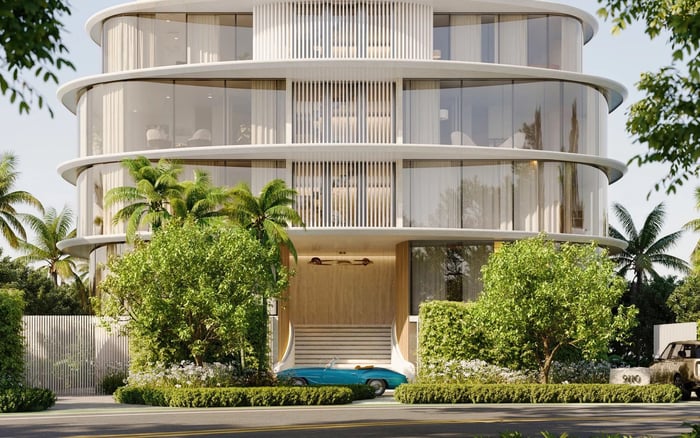
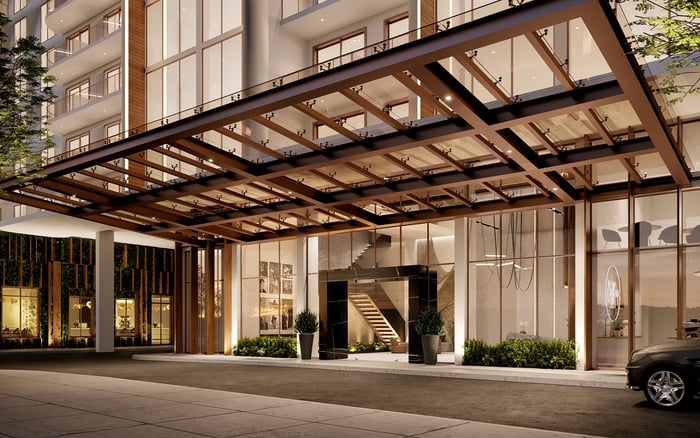
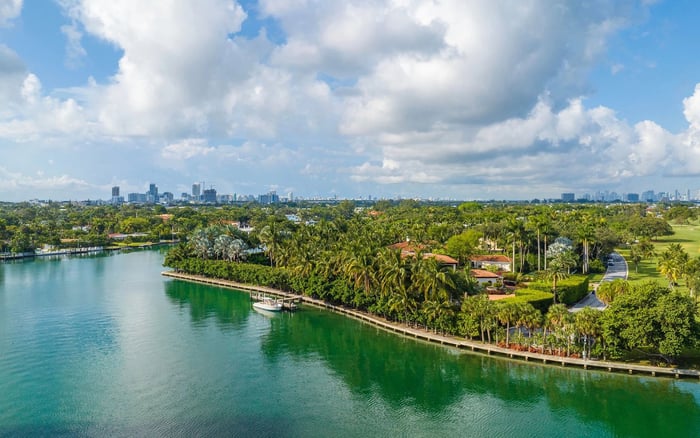
For collectors, a Bay Harbor Islands condo search should begin with the art itself. Layout, daylight, climate control, installation access, security, and future flexibility can matter as much as views or amenities.
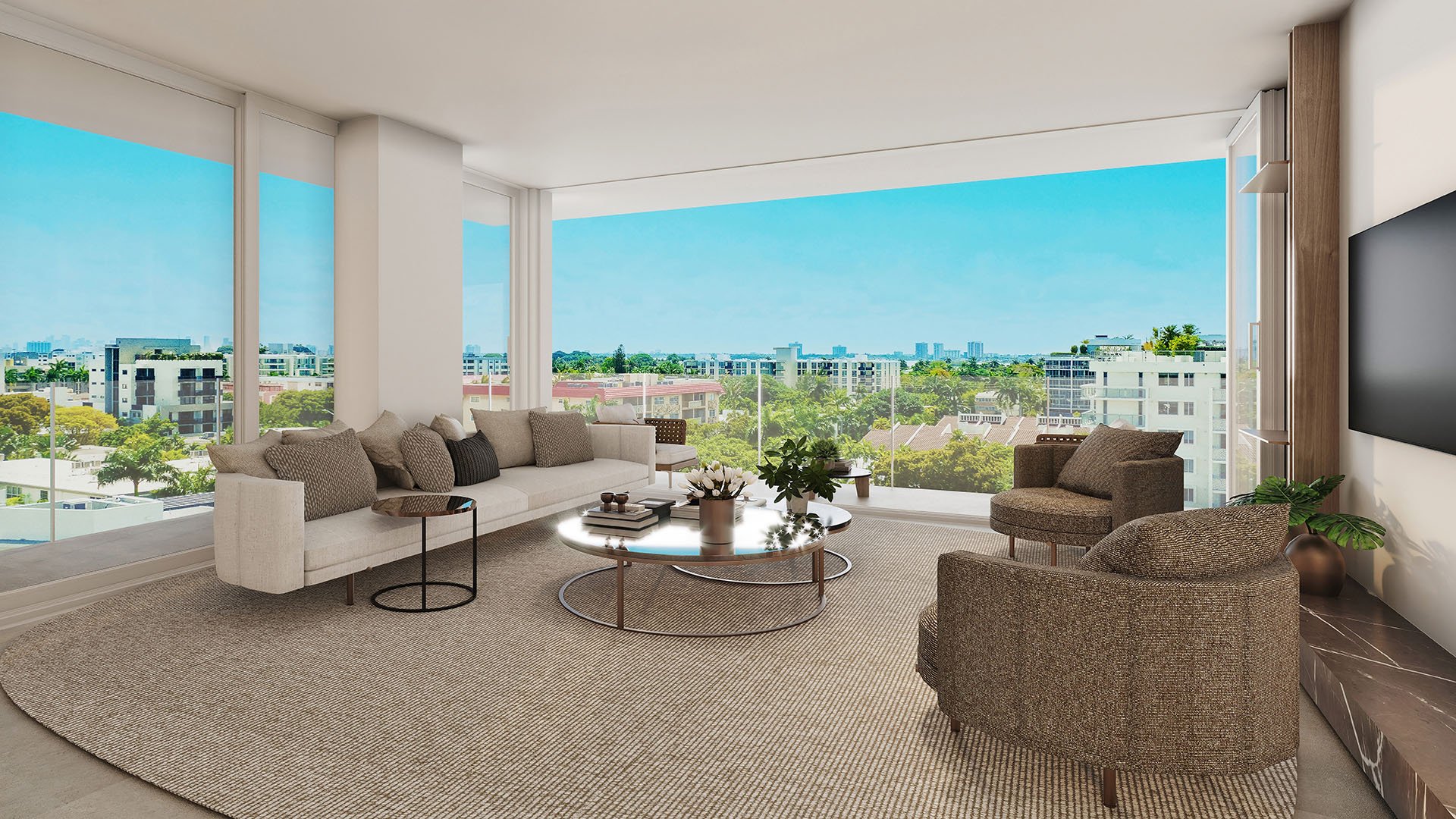
For an art collector considering a luxury condo in Bay Harbor Islands, the search can begin with the collection rather than square footage alone. The residence must support the display, protection, movement, and possible expansion of the works.
A glass wall may limit placement or increase light exposure. An extra room may appear suitable for storage but still require closer review of climate, security, leak risk, and circulation. A generous living area may also prove impractical if its walls are interrupted or oversized works cannot reach it safely.
The central question is whether the home can accommodate both daily life and responsible stewardship.
Before touring, organize the collection by dimensions, medium, weight, sensitivity, and intended location. Include framed sizes and protective crates when those measurements affect handling or delivery.
Separate works intended for permanent display from those requiring rotation or storage. Consider future acquisitions as well as the current collection. This process helps identify whether the ideal residence needs a flexible salon, a private viewing room, dedicated storage, or simply better wall proportions and circulation.
A spare bedroom should not automatically be treated as an art room. Its suitability depends on conditions that should be assessed for the specific works.
Collector-focused due diligence turns familiar design features into technical questions. Natural light calls for a review of orientation, duration, glazing, and exposure. An open plan requires attention to uninterrupted wall length, sightlines, doors, vents, switches, and built-in elements.
Elevator access should be reviewed across the complete delivery route, including doors, corridors, turns, service areas, and building procedures. Installation planning should address mounting conditions, contractor access, insurance requirements, permitted work periods, and any necessary protective measures.
Environmental and safety questions may include temperature consistency, humidity management, leak detection, sprinkler placement, backup systems, and restrictions on supplemental equipment. These conditions should be verified rather than inferred from sales language or visual impressions.
Security is also operational. Residence access, service access, visitor procedures, staffing, package handling, camera coverage, and protocols for art handlers may all affect how discreetly works can be delivered and installed.
A collector can use La Maré Bay Harbor Islands, The Well Bay Harbor Islands, and La Baia North Bay Harbor Islands as starting points for a focused residential comparison.
The comparison should remain residence-specific. Review wall planes, ceiling conditions, daylight, room proportions, storage potential, privacy, service access, and the full delivery path for each available plan. Building procedures may be as consequential as architecture when art handlers, installers, or specialty consultants need access.
Amenities and waterfront appeal can inform the lifestyle decision, but they do not replace an evaluation of the conditions surrounding the collection.
Request dimensioned plans and any available ceiling, electrical, mechanical, and lighting information. Mark possible artwork locations before selecting finishes or committing to furniture layouts. This can reveal conflicts involving doors, millwork, vents, controls, sprinklers, or direct light.
For a pre-construction residence, confirm modification opportunities, deadlines, and applicable rules. For a completed condo, inspect actual conditions and review building restrictions before planning reinforcement, specialty lighting, glazing treatments, or environmental equipment.
Qualified advisers may help evaluate conservation, lighting, structural, insurance, security, and handling considerations. Their involvement should be tailored to the collection and the residence under consideration.
A successful collector residence should feel like a home rather than a storage facility. Thoughtful placement can create controlled perspectives, comfortable viewing distances, and natural transitions between art and everyday living.
The preferred residence may offer fewer glass surfaces, a more practical service route, a flexible room, or clearer wall planes. The right choice depends on the collection, but the decision-making process should remain disciplined and specific.
Should an art collector prioritize total square footage? Not necessarily. Wall usability, circulation, ceiling conditions, light exposure, and delivery access may be more important for a particular collection.
Can waterfront light affect artwork placement? Yes. Orientation, direct sun, glazing, and the sensitivity of each work should be evaluated before deciding where art will be displayed.
Can a spare bedroom be used for art storage? Possibly, but its temperature, humidity, security, light, leak risk, and storage setup should suit the works.
What should buyers review about elevator access? They should examine the entire route from the building entrance or loading area to the residence, including doors, turns, corridors, and operating procedures.
Why do wall conditions matter? Wall construction and reinforcement options can affect whether works may be mounted safely and in the desired locations.
Does a low-density building automatically suit collectors better? No. Privacy may be helpful, but access procedures, building systems, staff protocols, and residence conditions still require review.
When should art lighting be planned? As early as practical, particularly when ceiling, electrical, or finish decisions can still be coordinated with intended placements.
What deserves attention in a pre-construction purchase? Review available plans, modification rules, deadlines, technical information, and the proposed route for delivering large works.
Should insurance considerations be addressed before closing? Yes. The collection, installation process, storage approach, residence conditions, and building requirements should be discussed with appropriate advisers.
Can a Bay Harbor Islands condo support a growing collection? It may, provided the plan offers suitable access, adaptable display areas, appropriate storage options, and flexibility for future works.
For a confidential assessment and a building-by-building shortlist, connect with MILLION.
If branded residences are on your mind — as a home or as an allocation — we would be glad to share what we are seeing, privately.
Begin a quiet conversation