A discreet due-diligence guide for buyers evaluating delivery risk, contract protections, construction milestones and lifestyle assumptions before purchasing at Nora House West Palm Beach.

Buying before completion is a different discipline from buying a finished residence. At Nora House West Palm Beach, the essential question is not simply when the building will be delivered. It is who has the authority, capital, approvals and operational discipline to deliver the residence you believe you are buying.
In a West Palm Beach acquisition, delivery risk sits at the intersection of lifestyle and contract. A buyer may be drawn to the promise of a fresh neighborhood, a walkable rhythm, a refined amenity program and a lock-and-leave residence. Yet the purchase decision should be governed by documents, not renderings. Pre-construction confidence is built by asking precise questions early, then confirming that the answers appear in the legal framework.
The purpose is not to approach the project with suspicion. It is to separate normal development uncertainty from material risk. New-construction buyers who do this well tend to focus less on brochure language and more on milestones, remedies, permitted flexibility and the financial architecture behind the project.
Begin with the development entity. Ask which legal entity is selling the residence, which parties control that entity, and whether any affiliate, lender, contractor or brand partner has approval rights over material decisions. In luxury real estate, the name on the presentation may not be the same as the entity responsible under the purchase agreement.
Ask whether the developer has delivered comparable residential projects and whether the same construction, design and management team is in place for this one. Do not rely on reputation alone. Ask for a clear explanation of who makes decisions if costs rise, schedules move, or a design element becomes unavailable.
This is also the moment to compare how other West Palm Beach launches are positioned. A buyer studying Alba West Palm Beach or Mr. C Residences West Palm Beach may notice different approaches to branding, amenity language, contract structure and buyer communication. The comparison is useful not because one model is automatically safer, but because it sharpens the questions.
Delivery risk is rarely one event. It is a sequence. Ask for the development timeline in plain English: approvals, financing, construction start, vertical progress, completion, inspections, condominium turnover and closings. If dates are aspirational, ask which dates are binding and which are targets.
The most important wording is often found in the purchase agreement. What happens if completion is delayed? Does the contract include outside dates? Are there extension rights? Are delays excused for force majeure, labor conditions, supply constraints, regulatory timing or lender issues? A buyer should not be alarmed that a contract contains flexibility. The issue is whether that flexibility is proportionate and understandable.
Ask what notice you receive if the schedule changes. Sophisticated buyers often prefer a project that communicates conservatively over one that speaks in perfect certainty. A realistic cadence can be more valuable than a glamorous promise.
Deposit structure is central to delivery risk. Ask where deposits are held, when any portion may be released, under what conditions release can occur, and what happens if the developer defaults. These questions belong with Florida counsel before execution, particularly for buyers who are not local or who are purchasing through an entity.
You should also ask whether additional deposits are tied to construction milestones. If so, define those milestones carefully. A milestone should be measurable, not merely ceremonial. If your obligation increases as the project advances, your visibility into that advancement should also increase.
For an investment buyer, deposit risk is not only about the money being safe. It is also about opportunity cost, liquidity, leverage planning and exit flexibility. If capital is committed for an extended period, the contract should be understood as part of the buyer’s broader balance sheet.
The refined buyer reads substitution language with particular care. Ask what finishes, appliances, amenity components, layouts, ceiling heights, view corridors, parking rights, storage rights and building services can be changed. Some flexibility is normal in development. The question is whether the developer can alter what made the residence compelling to you.
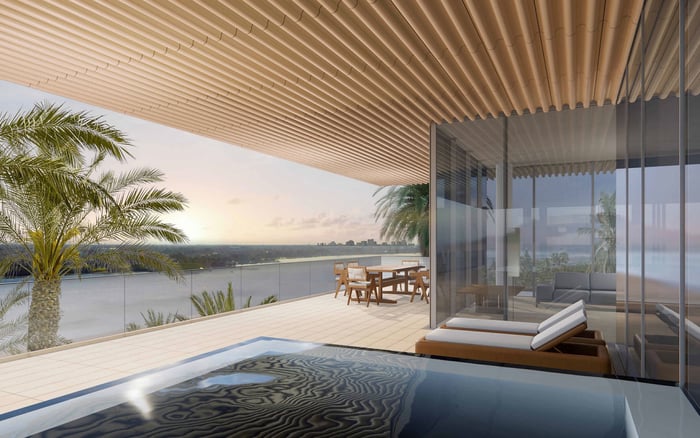
Terrace design, outdoor usability and view experience often carry disproportionate importance in South Florida. Ask whether dimensions, railings, privacy conditions and mechanical placements are final or subject to adjustment. If a boutique atmosphere is part of the appeal, ask how the number of residences, shared spaces, service levels and operating philosophy are protected.
Compare the language you receive with the way other nearby offerings are framed. Buyers considering Forté on Flagler West Palm Beach or Shorecrest Flagler Drive West Palm Beach may ask similar questions about outdoor living, arrival sequence, amenity programming and long-term building character. The exercise keeps attention on what is contractually durable.
Delivery is not complete simply because a closing is scheduled. Ask how punch-list items are handled, who inspects common areas, what warranties apply, and how quickly the developer must address defects after closing. The first year of ownership can reveal whether a building was delivered with discipline or merely delivered.
Ask who will manage the building at opening, when the association assumes control, and how initial budgets are prepared. A low projected budget can feel attractive until it proves insufficient for the service standard buyers expected. Conversely, a realistic opening budget can support a quieter ownership experience.
Luxury buyers should also ask what happens if amenities open in phases. If a pool, fitness area, lounge, valet operation or other shared facility is not ready at initial closing, is there a remedy, disclosure or fee adjustment? The answer should be clear before the buyer signs, not negotiated after move-in.
The best questions are not confrontational. They are clarifying. Ask your attorney to summarize default remedies, delay rights, deposit treatment and cancellation rights in one written memo. Ask your advisor to compare the project’s risk profile with finished inventory, resale alternatives and other new developments. Ask your lender or liquidity advisor how timing changes would affect your plan.
Then decide whether the remaining uncertainty is acceptable for the lifestyle you want. A buyer drawn to Nora House may be buying into more than a residence. The attraction may include neighborhood energy, design freshness and the privilege of entering early. Those can be valid reasons to proceed, provided the buyer understands which promises are enforceable and which remain aspirational.
Delivery risk cannot be eliminated. It can be priced, negotiated, documented and monitored. In the upper tier of the market, that is often the difference between a beautiful purchase and a disciplined one.
What is developer delivery risk? It is the possibility that a project is delayed, changed, underfunded, unfinished or delivered differently from the buyer’s expectations.
Should I ask for the developer’s track record? Yes. Ask who has delivered comparable projects and which parties are responsible under the actual purchase documents.
Are construction timelines usually guaranteed? Not always. Buyers should distinguish target dates from binding deadlines and review any extension rights carefully.
Why does deposit language matter so much? Deposit provisions determine where money is held, when it may be released and what remedies exist if the deal fails.
Can finishes or amenities change before completion? Many contracts permit substitutions or modifications. The key is understanding how broad that discretion is.
What should I ask about financing? Ask whether the project has the capital path needed to proceed and what milestones must be satisfied before closing.
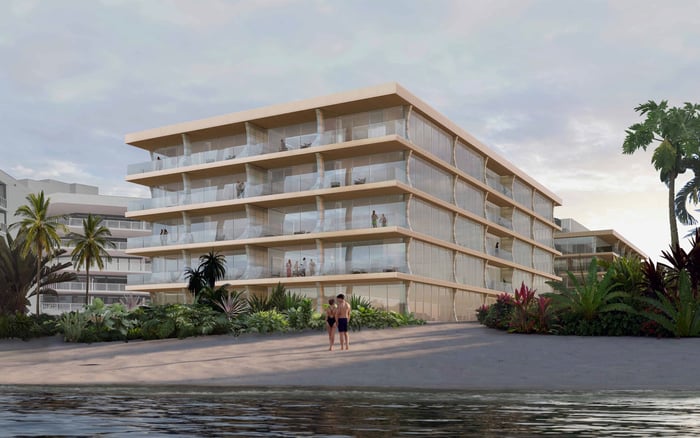
How should I evaluate marketing renderings? Treat them as presentation material unless the relevant features are confirmed in binding documents or specifications.
What happens if my unit has defects at closing? Ask for the punch-list process, warranty terms and the responsible party for post-closing corrections.
Should out-of-state buyers use Florida counsel? Yes. Local counsel can review condominium documents, deposit provisions and cancellation rights before execution.
Is delivery risk a reason to avoid pre-construction? Not necessarily. It is a reason to negotiate, document expectations and compare alternatives with discipline.
When you're ready to tour or underwrite the options, connect with MILLION.
If branded residences are on your mind — as a home or as an allocation — we would be glad to share what we are seeing, privately.
Begin a quiet conversation