A discreet buyer’s guide to evaluating building security protocols before purchasing luxury real estate in North Miami, from access control to staffing, emergency planning, vendors, privacy, and long-term value.
For many luxury buyers, security is discussed too late. It appears as a checkbox after floor plans, views, finishes, and amenities, when it should be part of the first serious conversation. In North Miami, where waterfront living, private arrival sequences, and high-service residential towers shape the buyer experience, the essential question is not simply whether a building has security. It is how security works on an ordinary day, during a peak guest period, and under pressure.
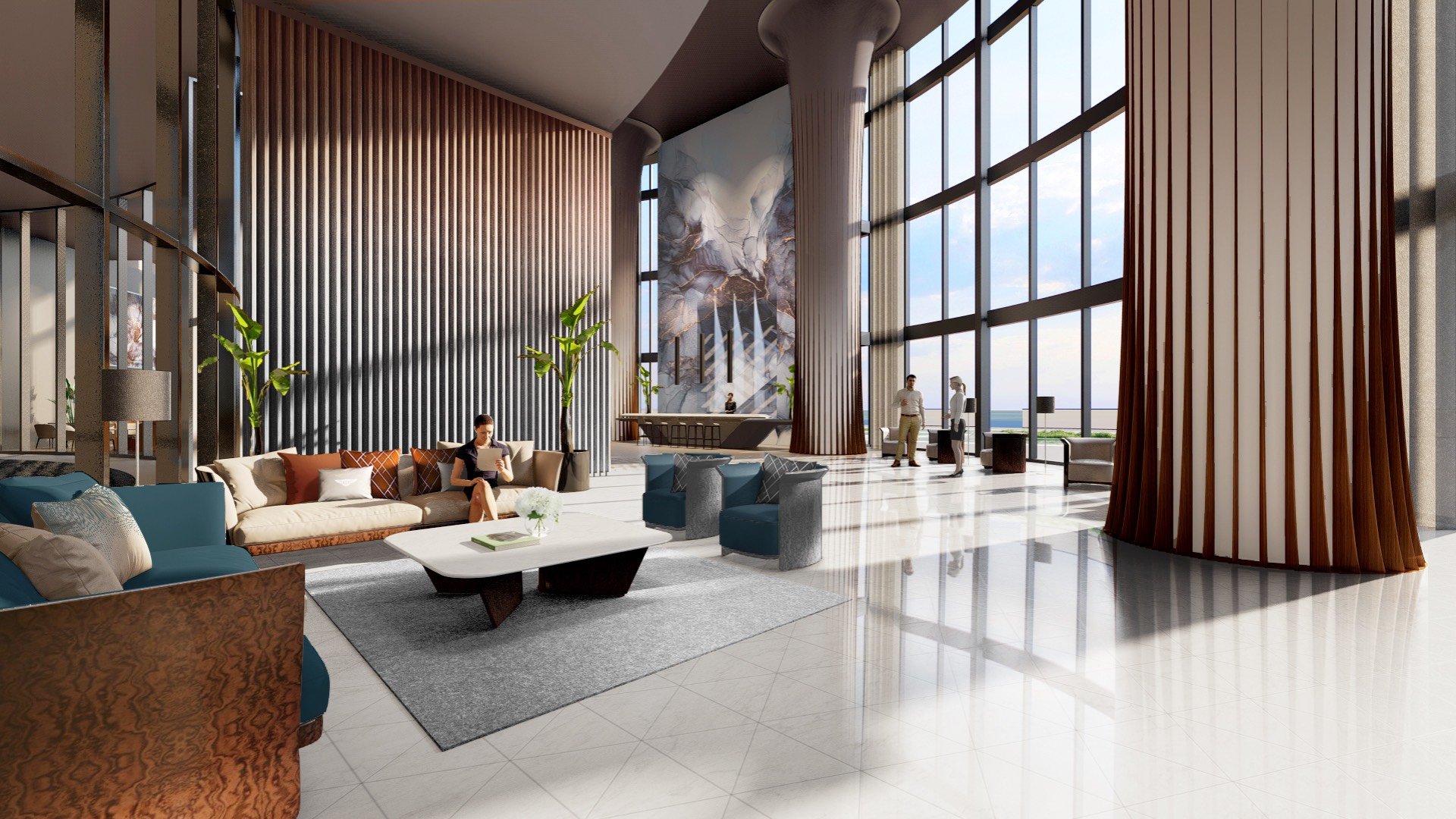
A polished lobby can suggest control, but protocols reveal the true standard. Who is permitted past the front desk? How are vendors cleared? What happens when a resident hosts a dinner, has a private nurse, receives a high-value delivery, or leaves town for two months? These are not dramatic hypotheticals. They are the daily realities of a luxury home.
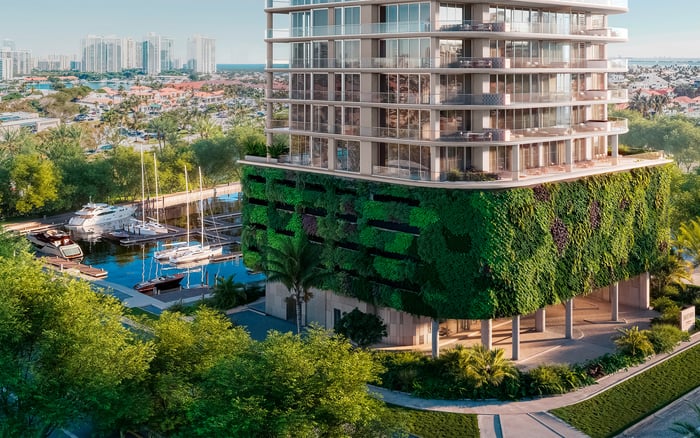
At communities such as One Park Tower by Turnberry North Miami, buyers are often evaluating more than architecture and amenities. They are evaluating whether the building’s operations can support privacy, convenience, and predictability at the same time.
Begin with access. A secure building should have a clear answer for every threshold: garage, lobby, elevator, amenity deck, package room, service entrance, marina or waterfront area, and private residential corridors. Ask who issues credentials, who can revoke them, how often access lists are reviewed, and whether temporary access can be limited by date, time, or destination.
The most refined buildings make access feel effortless to residents while remaining exacting behind the scenes. That requires more than key fobs. It requires documented procedures. A buyer should ask how the building confirms guests, how it distinguishes residents from staff, and how it handles household teams such as drivers, assistants, housekeepers, chefs, trainers, and child care providers.
For a buyer comparing North Miami with nearby markets such as Aventura, the question is less about which address feels more guarded and more about which building can demonstrate a disciplined operating culture. A residence like Avenia Aventura may prompt the same essential diligence: can the building protect access without making everyday life feel overmanaged?
Luxury living depends on service. That means the building will regularly interact with people who are not residents: florists, caterers, drivers, art handlers, stylists, dog walkers, pool technicians, and delivery teams. Security protocols are only as strong as the procedures governing these recurring touchpoints.
Ask whether vendors must be pre-registered, whether identification is checked, whether service elevators are monitored, and whether staff can confirm a vendor’s permitted destination. If the residence is being purchased as a second home, ask whether management can support arrivals when the owner is absent. A secure protocol should not rely on improvisation at the front desk.
Buyers should also ask about high-value deliveries. Fine furniture, jewelry, art, wine, and collectibles require more thoughtful handling than ordinary packages. The building should be able to explain where deliveries are received, who signs for them, how residents are notified, and whether items can be held securely.
The most important security feature in a luxury building is often the person who knows what normal looks like. Cameras, controlled elevators, and credentialed doors matter, but trained staff interpret behavior, identify patterns, and manage judgment calls.
Ask whether security is handled by in-house staff, a third-party provider, or a blended model. Ask how staff are trained, who supervises them, and how incidents are escalated. A discreet building should have a calm chain of command, not a vague promise that someone will handle it.
It is appropriate to ask whether written post orders exist for the front desk, valet, garage, loading area, and amenity spaces. Post orders should define duties, communication protocols, and escalation procedures. Buyers do not need every sensitive operational detail, but they should be satisfied that the building is not relying on informal habits.
Security diligence does not require anxiety. It requires maturity. Ask whether the association or management can summarize the types of security incidents the building has handled and how procedures changed afterward. The goal is not to find a flawless history. The goal is to understand responsiveness.
A well-run property learns. If there has been a package issue, an unauthorized guest, a garage concern, or a disturbance in an amenity area, management should be able to discuss policy improvements professionally. Vague reassurance is less useful than a sober explanation of what changed.
This matters across the luxury corridor, from North Miami to waterfront enclaves and branded towers. A buyer considering Bentley Residences Sunny Isles, for example, may be focused on privacy, vehicle movement, and arrival experience. The underlying diligence remains the same: protocols should be specific, practiced, and consistent with the lifestyle being purchased.
Surveillance can protect residents, but it also raises privacy questions. Ask where cameras are located, whether they cover entrances, elevators, garages, loading areas, amenity spaces, and waterfront edges, and who can review footage. Just as important, ask how long footage is retained and under what circumstances it is shared.
Discretion is a luxury standard. A building should be able to balance monitoring with resident privacy. Ask whether staff are trained on confidentiality, whether visitor information is protected, and whether household staff lists are handled securely. For high-profile buyers, the building’s privacy culture may be as important as its physical security infrastructure.
Security should reflect how you live. A resident who entertains frequently needs a different guest protocol than a resident who values near-total anonymity. A family with teenagers needs different access rules than an owner who visits seasonally. A collector needs different delivery handling than a minimalist owner who rarely receives shipments.
Before buying, write down your real patterns. Do you have a driver? Do you expect yacht access or marina proximity? Will contractors be completing design work after closing? Will guests use the pool and wellness areas without you present? Do you travel often? These answers should shape the questions you ask.
Bay Harbor, North Bay Village, Sunny Isles, and North Miami each attract buyers who may prioritize water access, privacy, or ease of movement. In a boutique setting such as Bay Harbor Towers, the intimacy of the building may change the security conversation. Fewer residences can mean a more personal environment, but the buyer should still ask for clarity, consistency, and written procedure.
Security also includes readiness. Ask how the building communicates with residents during emergencies, who sends notices, how quickly updates are delivered, and whether residents can opt into multiple communication channels. Ask how management coordinates with building engineering, valet, concierge, and association leadership.
Emergency planning should address power interruptions, elevator limitations, storm preparation, medical incidents, fire alarms, water intrusion, and temporary access disruptions. A luxury building’s duty is not merely to react. It should preserve order, communicate clearly, and reduce uncertainty.
For new-construction purchases, ask how protocols will be tested before turnover and how staffing will ramp up as residents move in. For a gated-community purchase, ask how gatehouse procedures coordinate with private security, roving patrols, and resident guest lists. The principle is the same: every layer should communicate with the next.
Security protocols should be reviewed with the same seriousness as financials, reserves, rules, insurance, and maintenance responsibilities. Ask for governing documents, resident rules, move-in procedures, vendor policies, package policies, and any security-related house rules available to buyers. If the purchase is in a condominium, your advisor should help determine which documents are customary and accessible during diligence.
Do not wait until after closing to learn that your preferred household staffing arrangement conflicts with building policy. Do not assume that private elevator access means unlimited guest movement. Do not assume that a valet operation has the same standards as a residential security desk. Each function should be understood separately.
The strongest luxury buildings create a feeling of ease because their protocols are already doing the work. When security is well designed, residents are not reminded of it constantly. They simply experience privacy, order, and calm.
What is the first security question to ask before buying in North Miami? Ask who controls access to the building, elevators, garages, amenity areas, and service entrances. The answer should be procedural, not just descriptive.
Should I ask to see written security protocols? Yes. Written procedures help confirm that the building relies on consistent standards rather than informal habits.
How should a luxury building manage guests? Guests should be verified, logged when appropriate, and directed only to approved areas. The process should feel discreet rather than intrusive.
What should I ask about vendors and household staff? Ask how vendors are approved, whether access can be time-limited, and how recurring household staff are registered. This is essential for owners who travel often.
Are cameras enough to make a building secure? No. Cameras are only one layer, and they must be supported by staffing, access control, response procedures, and privacy rules.
How do I evaluate a building’s security culture? Listen for specific answers, clear chains of command, and calm explanations. Vague reassurance is not a substitute for operational discipline.
Should second-home buyers ask different questions? Yes. They should focus on absentee-owner procedures, delivery handling, emergency communication, and access for trusted representatives.
What security questions apply to waterfront residences? Ask how waterfront edges, docks, marina areas, garages, and service paths are monitored. Water access can add lifestyle value and operational complexity.
Can security protocols affect resale value? They can influence buyer confidence, especially in the luxury segment. Well-run operations often support a stronger sense of trust and livability.
When should I raise security questions during a purchase? Raise them before contract or during diligence, not after closing. Early review gives you time to evaluate fit and request clarification.
To compare the best-fit options with clarity, connect with MILLION.
If branded residences are on your mind — as a home or as an allocation — we would be glad to share what we are seeing, privately.
Begin a quiet conversation