An editorial look at how Riva Residenze Fort Lauderdale fits the Fort Lauderdale lock-and-leave conversation through waterfront condominium ownership, convenience, and reduced day-to-day management burden.
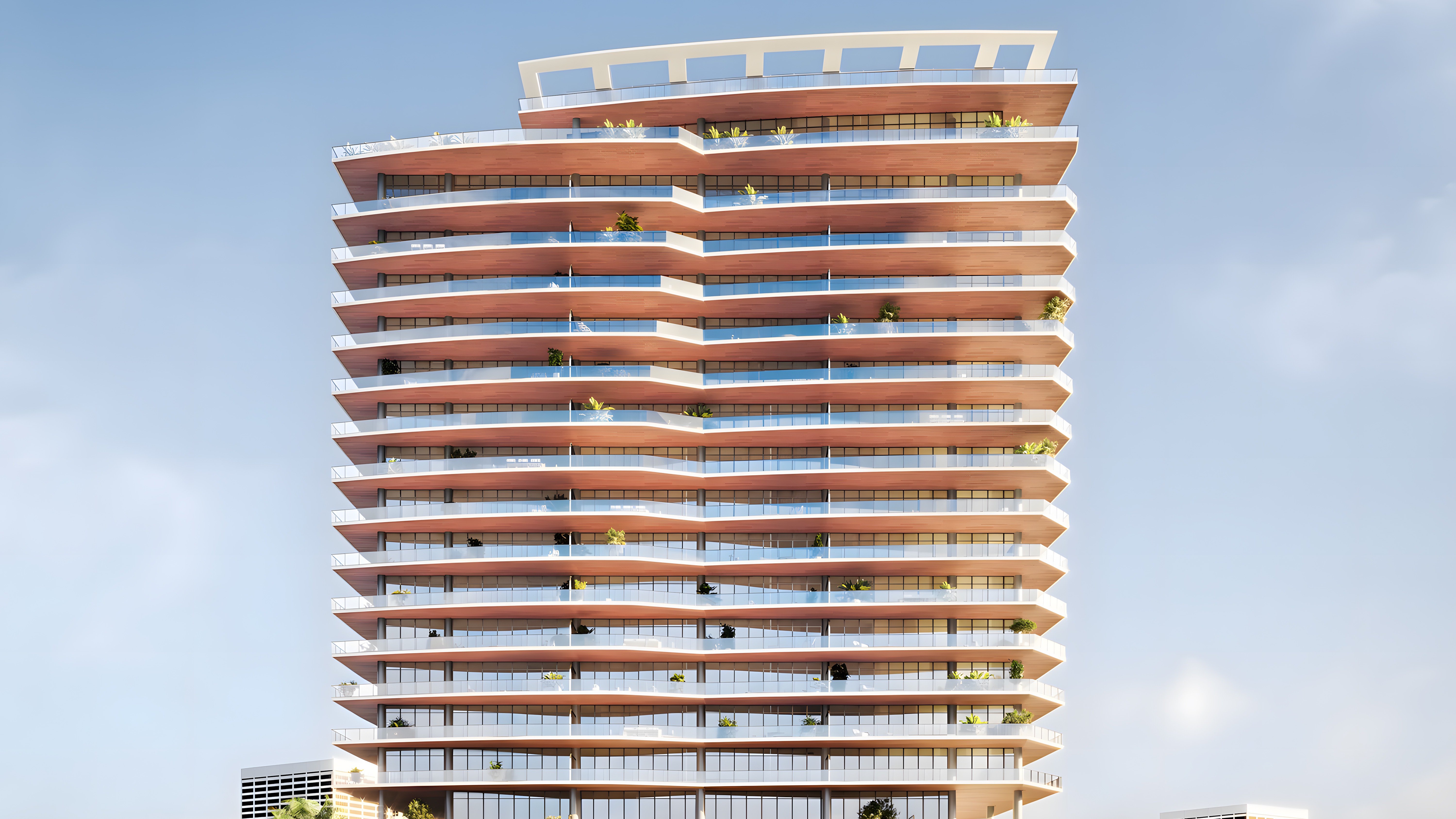
Lock-and-leave ownership has become one of the clearest lifestyle phrases in South Florida luxury real estate because it describes how a residence is used, not only how it looks. The buyer is not simply seeking a place to stay. They are looking for a home that can be enjoyed on arrival and left with less day-to-day concern between visits.
In Fort Lauderdale, that idea carries particular weight. Waterfront ownership has long been associated with privacy, views, boating culture, and the emotional pull of living close to the water. Yet the traditional waterfront estate can also ask more from an owner in terms of coordination, upkeep, access, and vendor oversight. For buyers who divide time among multiple homes, that operating burden often becomes part of the purchase decision.
This is where Riva Residenze Fort Lauderdale fits the conversation. It gives buyers a Fort Lauderdale condominium reference point for thinking about waterfront living through a lower-friction ownership lens. The appeal is not only the residence itself, but the possibility of simplifying how ownership feels when the owner is present and when the owner is away.
The lock-and-leave buyer is often comparing more than architecture. They are comparing responsibility. A private waterfront home may offer autonomy and space, but autonomy can come with more personal coordination. A condominium can offer a different equation: the owner may give up some estate-style control in exchange for a more structured residential environment.
That trade-off is central to Riva’s relevance. The project belongs in the Fort Lauderdale discussion because it helps frame how waterfront condominium ownership can compete with a traditional estate lifestyle. The question becomes less about whether one format is universally better and more about which format matches the way the buyer actually lives.
For some owners, the most valuable luxury is confidence that the residence can support a seasonal or travel-heavy rhythm. The lock-and-leave ideal is about fewer small frictions: fewer tasks before departure, fewer uncertainties while away, and a smoother return.
Lock-and-leave buyers are usually sophisticated about time. They may own in more than one market, travel frequently, or use Fort Lauderdale seasonally. What they value is not simply fewer chores. They value fewer interruptions to the way they want to live.
That is why building format matters. A professionally managed condominium environment can shift many everyday concerns away from the individual owner and into a more coordinated setting. This does not remove every responsibility, and buyers should always evaluate the details of any building carefully. But it can change the character of ownership from hands-on oversight to more predictable use.
In a coastal market, that distinction becomes especially important for owners who are not always in residence. Fort Lauderdale’s waterfront appeal is strong, but the buyer who wants that appeal may also want a simpler ownership rhythm than a private estate can provide.
For buyers comparing service-oriented condominium living in the same city, Four Seasons Hotel & Private Residences Fort Lauderdale is another local reference point in the broader luxury conversation.
Lock-and-leave does not have to mean anonymous high-rise living. Many luxury buyers still want privacy, calm, and a sense of residential identity. The ideal condominium may be the one that reduces management intensity without making the owner feel detached from the character of the home.
This is where boutique scale can become part of the lifestyle argument. A buyer accustomed to private homes may not be seeking less residence; they may be seeking less operational complexity. The appeal is a setting that feels composed and personal while still benefiting from the structure of condominium ownership.
For Riva, the broader point is not spectacle. It is the fit between Fort Lauderdale waterfront living and an ownership model that can feel easier to use. When a residence supports arrival, departure, and time away with less friction, the lifestyle value becomes practical as much as emotional.
Security, access, parking, and service are often part of how buyers evaluate lock-and-leave living, even when the exact details vary by building. The important point is the pattern of use. A buyer who comes and goes frequently wants the residence to feel manageable from the moment they arrive to the moment they leave again.
That pattern is why condominiums can become serious competitors to private waterfront homes. The luxury buyer is not only comparing views, finishes, or floor plans. They are comparing the entire ownership experience. How much planning does each visit require? How much oversight is needed between visits? How easily can the owner return to daily life elsewhere?
In Fort Lauderdale, buyers considering that question may also compare other residential options, including St. Regis® Residences Bahia Mar Fort Lauderdale, as they refine what level of waterfront access, service orientation, and privacy best matches their needs.
The best lock-and-leave concept is not about disappearing from Fort Lauderdale. It is about enjoying the city more fully because fewer hours are consumed by coordination. A well-chosen condominium can become a base for dining, boating, entertaining, retreating, and returning with less operational drag.
That is the ownership psychology Riva taps into. The buyer wants the emotional reward of a meaningful Fort Lauderdale residence, but also the practical benefit of a format that can be easier to manage than a private estate. The value is found in the space between presence and absence: the home should work when the owner is there and remain easier to account for when the owner is elsewhere.
This is why lock-and-leave ownership has become such a powerful phrase. It captures the modern luxury buyer’s desire for beauty without unnecessary complication.
Fort Lauderdale’s luxury condominium market is not one-size-fits-all. Some buyers prioritize hotel-like energy, some want marina adjacency, some prefer riverfront convenience, and others seek a quieter waterfront expression. Riva’s role in that landscape is to make the lock-and-leave question especially visible.
It is not necessary to frame the project as a replacement for every waterfront home. Instead, Riva helps reframe the decision. If the buyer’s priority is lower-friction ownership, then a waterfront condominium may be more aligned with how they actually use a South Florida residence.
Other Fort Lauderdale projects, such as Sixth & Rio Fort Lauderdale, show how varied the city’s condominium conversation has become. Riva’s particular relevance is tied to the estate comparison: not only what a buyer wants to own, but how they want ownership to feel over time.
For the right buyer, that feeling may be the luxury. Not more complexity. Not more oversight. A residence that supports the Fort Lauderdale lifestyle while reducing the daily management burden that can come with traditional waterfront ownership.
What does lock-and-leave ownership mean in Fort Lauderdale? It refers to a residence that is easier to arrive at, depart from, and manage between visits, especially for owners who are not always in residence.
Why is Riva Residenze Fort Lauderdale relevant to this conversation? Riva is a Fort Lauderdale condominium reference point for buyers thinking about waterfront living with a lower-friction ownership model.
Is Riva meant to replace a single-family waterfront estate? Not for every buyer. It represents a different ownership format for people who may value convenience and coordination as much as private-home autonomy.
Why does condominium management matter to lock-and-leave buyers? A managed building environment can make ownership feel more predictable and may reduce the need for owners to coordinate every routine concern personally.
Does lock-and-leave ownership appeal only to seasonal buyers? No. It can also appeal to frequent travelers, multiple-home owners, and buyers who simply prefer a more streamlined daily living experience.
How does privacy fit into condominium living? Privacy depends on the building, the residence, and the buyer’s priorities, but boutique condominium living can appeal to owners who want discretion without estate-level oversight.
Why are arrival and departure important in this ownership model? Lock-and-leave buyers often value a smooth routine because they may come and go frequently and do not want each visit to feel like a management project.
Why is Fort Lauderdale suited to this kind of ownership discussion? The city combines waterfront appeal with a luxury buyer base that often values privacy, service orientation, and ease of use.
What should buyers compare when evaluating Riva against a waterfront home? Buyers should compare lifestyle fit, management expectations, privacy preferences, access needs, and how often they expect to use the residence.
Who is the ideal buyer for Riva’s lock-and-leave proposition? The ideal buyer is someone who wants a Fort Lauderdale waterfront lifestyle with less day-to-day operational complexity than a traditional private estate may require.
For a tailored shortlist and next-step guidance, connect with MILLION.
If branded residences are on your mind — as a home or as an allocation — we would be glad to share what we are seeing, privately.
Begin a quiet conversation