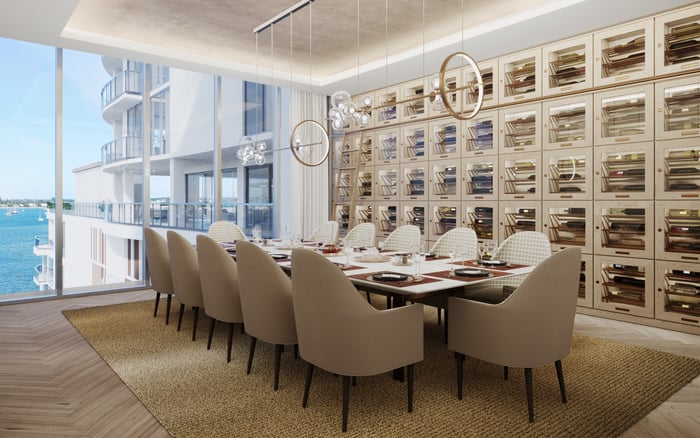
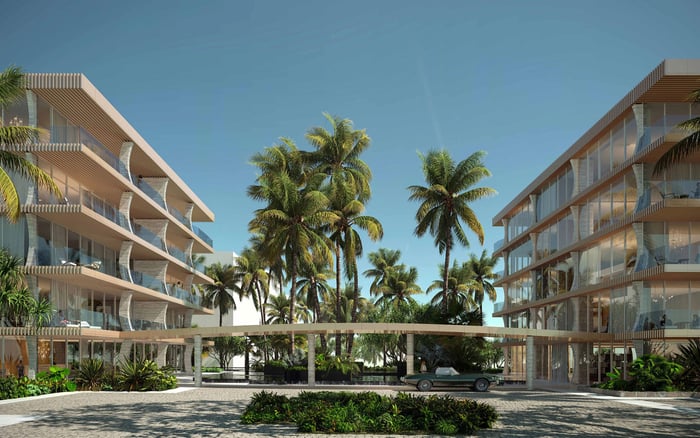
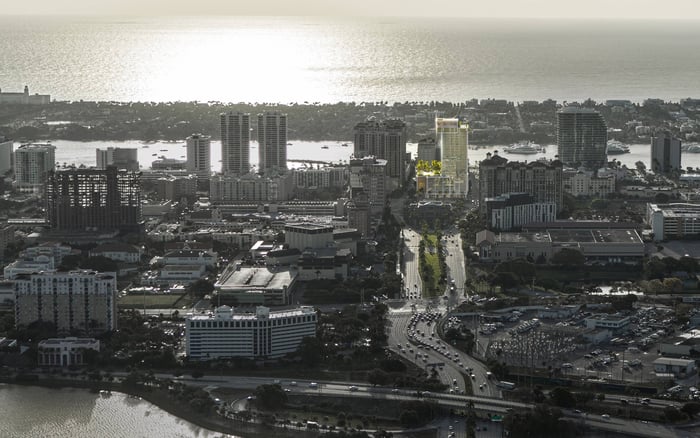
A discreet buyer’s guide for art collectors evaluating climate control, humidity, envelope performance, light exposure, storage, backup power, and condo-document flexibility before purchasing at Alba West Palm Beach.
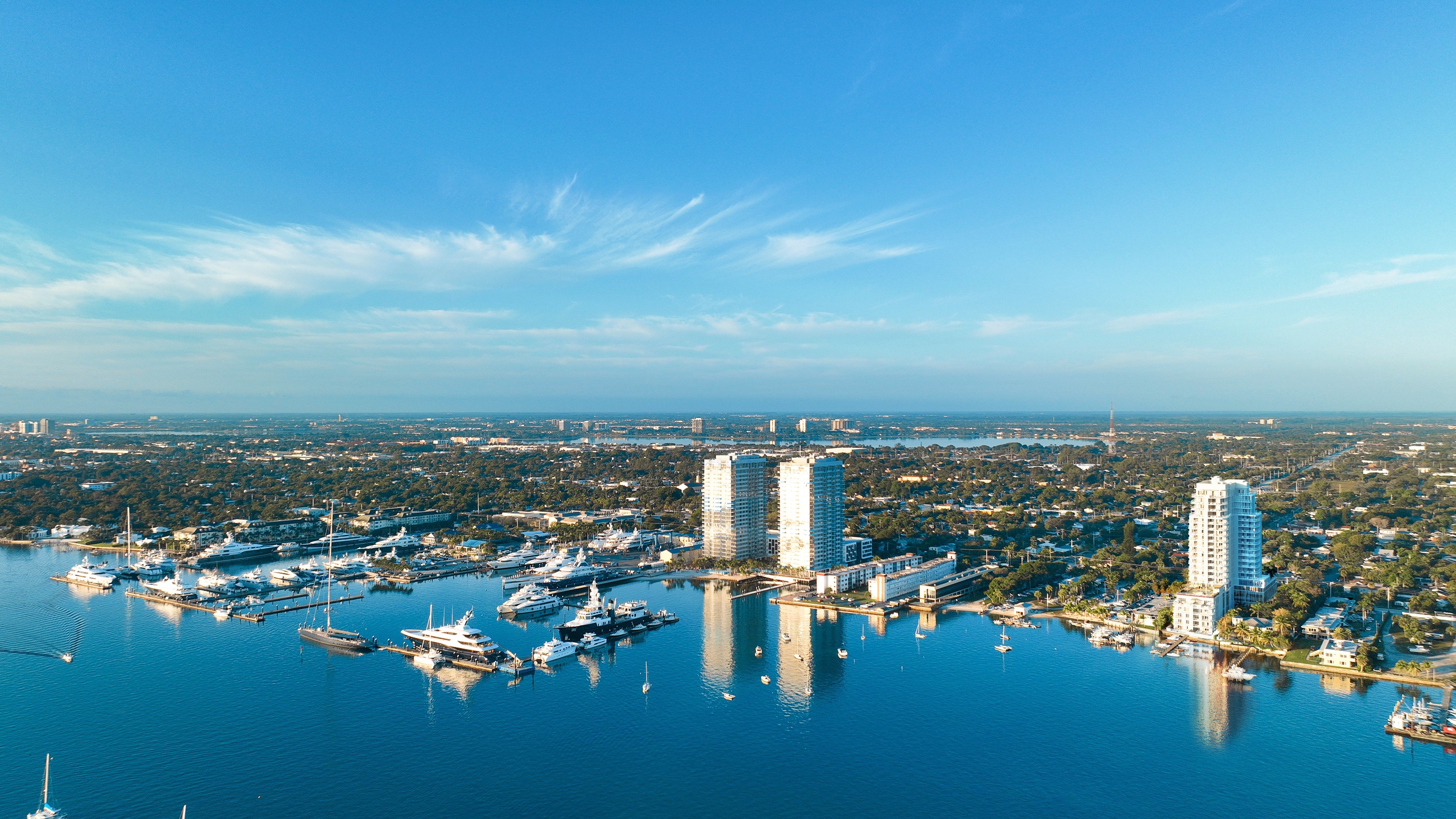
Buying at Alba West Palm Beach is not only a matter of view, floor plan, finishes, and lifestyle. For a serious collector, it is also a matter of environmental control. Paintings, works on paper, photography, textiles, mixed media, and design objects can be sensitive to heat, humidity, light, leaks, and abrupt fluctuations. In a West Palm Beach waterfront condominium setting, those questions become more important, not less.
The right approach is to separate what is being marketed from what can be verified. Treat art protection as a layered review: the residence itself, the exterior envelope, the building’s mechanical systems, and the management protocols that operate after move-in. A beautiful living room can still be a difficult environment for art if sun exposure, humidity swings, or window-wall conditions are not understood before purchase.
This is a buyer’s guide conversation in the most practical sense. Before signing, collectors should ask for specifics from the sales team, building engineer, property manager, and, when warranted, a conservator. The objective is not to turn a residence into a museum. It is to understand whether the home can support the kind of collection you intend to live with.
The first question is whether each residence has independent HVAC zoning, and how granular that zoning is. Standard comfort cooling is designed around people. Art-friendly climate control asks a more exacting question: can the rooms where art will be displayed remain stable through daily use, seasonal changes, entertaining, and sun exposure?
Ask whether display areas can be kept more stable than secondary spaces. A salon with broad window walls, a den with limited airflow, and a primary suite corridor used for works on paper may all behave differently. Larger residences need sufficient HVAC capacity and zoning flexibility to address different exposures, ceiling heights, and glass conditions. If one thermostat is expected to balance spaces with very different environmental loads, the result may be comfortable for residents but uneven for sensitive works.
Buyers comparing Alba with other West Palm Beach residences such as Forté on Flagler West Palm Beach should ask the same questions project by project rather than assuming every new luxury tower manages interior climate the same way.
In South Florida, temperature matters, but humidity often deserves the sharper due-diligence lens. Ask whether the HVAC design includes active humidity control or whether relative humidity is managed only as a byproduct of air conditioning. That distinction matters: air conditioning may cool a room without maintaining the humidity stability a collection requires.
Request the target indoor temperature and relative-humidity ranges, along with expected daily and seasonal fluctuation limits. The specific numbers should be reviewed with a qualified conservator for your collection type. A contemporary canvas, a vintage photograph, a textile, and a work on paper may not share the same risk profile.
Also ask what happens when the residence is vacant. Many Alba buyers may use their home seasonally or travel frequently. A space that performs well while occupied should also be evaluated for weeks when doors remain closed, shades are set, and systems run without daily human adjustment.
Waterfront living brings beauty, but it also brings heat, humidity, salt air, wind-driven rain, and storm exposure. That is why the building envelope belongs in art due diligence. Ask for details on glazing, window-wall systems, seals, gaskets, and air and water infiltration testing. Small leaks or poorly controlled air movement can create damaging microclimates near art, especially along perimeter walls.
A collector should walk the intended art walls with this in mind. Where will large canvases hang? Which walls receive the most sun? Are there locations close to sliders, balcony doors, or window-wall joints? What may look like a prime placement from a design perspective may require additional review from a conservation perspective.
Corrosion is another practical waterfront issue. Ask whether exterior hardware, protected HVAC components, and coastal-maintenance protocols are appropriate for salt-air exposure. These are not purely technical concerns. They affect long-term building performance, service intervals, and the resilience of the systems that keep interiors stable.
Art-friendly living is also a design and architecture question. The most dramatic room is not always the safest place for the most delicate piece. Ask what level of UV protection is built into the glass and whether additional films, interior shades, or blackout systems are permitted inside the residence.
Motorized shades, lighting controls, and smart-home integrations can help reduce cumulative light exposure for works on paper, textiles, photographs, and sensitive pigments. The goal is not to live in darkness. It is to create scenes that support both daily life and conservation judgment: entertaining, daytime viewing, evening lighting, travel mode, and storm preparation.
Buyers considering nearby options such as The Ritz-Carlton Residences® West Palm Beach or Shorecrest Flagler Drive West Palm Beach should carry the same light-management checklist from showroom to showroom. The question is not whether the view is compelling. It is how the home allows you to curate exposure over time.
Collectors often focus on the living room and overlook storage. Ask whether any owner storage areas or common-area art displays are protected by dedicated climate control, leak detection, and emergency-response procedures. If art may be stored outside the residence, the location of that storage relative to mechanical, electrical, flood, or storm-surge risk becomes a material concern.
Backup power should be part of the same conversation. Ask whether backup systems support in-unit HVAC, dehumidification, security, elevators, and access systems during prolonged outages. A building may have emergency power for life-safety or common functions without preserving every residential climate-control function. Clarify exactly what is supported and for how long.
This is especially relevant in a Palm Beach collecting lifestyle where art, travel, entertaining, and seasonal occupancy often overlap. Owners should know who is called during an alarm, who can access the residence, and how quickly a humidity, leak, or power condition is escalated.
Even the best technical plan can be limited by the condominium documents. Ask whether supplemental dehumidifiers, UV films, window treatments, wall reinforcements, environmental sensors, leak sensors, or other art-protection upgrades are restricted. Some upgrades may affect aesthetics, building systems, windows, penetrations, or shared infrastructure.
Before closing, request coordination among the developer, property manager, building engineer, designer, and a conservator or art-storage consultant. The most valuable answers will be written, specific, and tied to the residence you are buying. A general statement that the building is modern or well designed is not enough for a collection that requires careful stewardship.
The strongest purchase file should include your art-placement plan, climate questions, permissions for improvements, backup-power clarifications, and a post-closing operating protocol. In luxury real estate, discretion matters. For collectors, documentation matters just as much.
What is the first climate-control question to ask at Alba West Palm Beach? Ask whether the residence has independent HVAC zoning and whether art-display areas can be kept more stable than standard comfort cooling.
Is humidity control different from air conditioning? Yes. Air conditioning may reduce humidity incidentally, while active humidity control is designed to manage relative humidity more intentionally.
Should buyers ask for exact temperature and humidity targets? Yes. Request target ranges and expected fluctuation limits, then review them with a conservator for the specific collection.
Why does waterfront exposure matter for art? Heat, humidity, salt air, wind-driven rain, and storm exposure can all affect the systems and envelope that protect interior conditions.
What should buyers ask about windows and glazing? Ask about UV protection, window-wall systems, seals, gaskets, and air or water infiltration testing.
Are motorized shades useful for collectors? They can be useful when integrated with lighting controls and daily routines that reduce cumulative exposure for sensitive works.
Should art storage areas be reviewed before closing? Yes. Ask whether storage areas have dedicated climate control, leak detection, and emergency-response procedures.
Does backup power always protect in-unit climate control? Not necessarily. Buyers should confirm whether backup power supports HVAC, dehumidification, security, elevators, and access systems.
Can condo rules affect art-protection upgrades? Yes. Documents may restrict films, shades, sensors, wall reinforcements, supplemental equipment, or other modifications.
Should a conservator be involved before purchase? For meaningful collections, yes. A conservator or art-storage consultant can help translate building answers into collection-specific risk.
To compare the best-fit options with clarity, connect with MILLION.
If branded residences are on your mind — as a home or as an allocation — we would be glad to share what we are seeing, privately.
Begin a quiet conversation