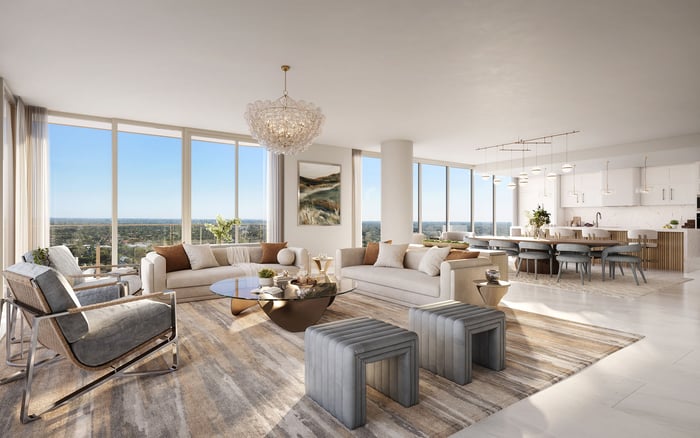
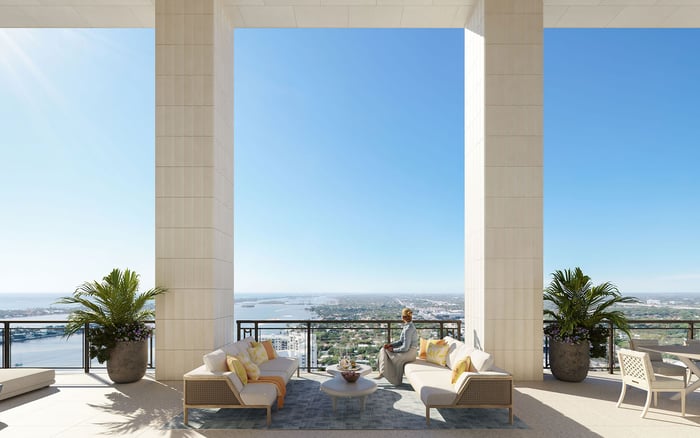
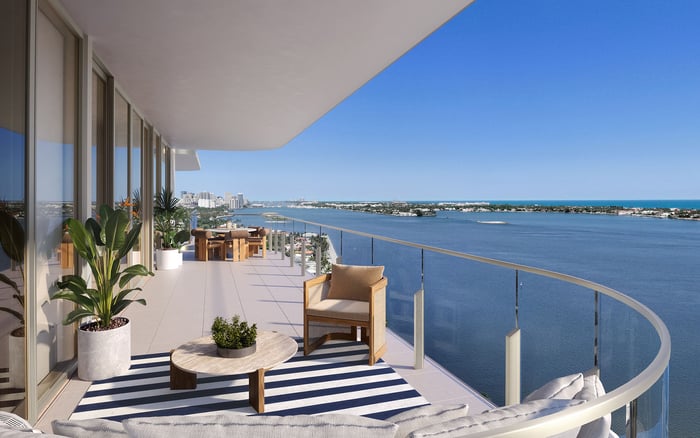
A discreet buyer’s guide to reading the everyday culture of a South Flagler condominium before committing, from governance and service rhythm to privacy, amenities, pets, guests and long-term livability.
For a full-time buyer in South Flagler, the question is not simply whether a residence is beautiful. It is whether the building behaves beautifully on an ordinary Tuesday morning, during a quiet Sunday dinner, when guests arrive, when service requests surface, and when the season is at its busiest. Building culture is the invisible architecture of daily life. It shapes how private the elevator feels, how composed the lobby remains, how residents use amenities, and how management resolves friction.
This is why a buyer considering South Flagler House West Palm Beach should evaluate more than floor plans and views. The residence is only one layer. The association, service team, resident profile, house rules, and shared spaces become part of the purchase. For full-time living, those layers are not background details. They are the environment.
The first step is personal clarity. Some buyers want a highly social building where the pool deck, fitness areas, and private rooms create a club-like cadence. Others prefer a quieter, more residential tone, with polished but discreet staff, amenities that are available without becoming the center of life, and neighbors who value privacy over visibility.
Neither culture is inherently better. The point is fit. A buyer relocating full-time should ask how mornings, workdays, family visits, wellness routines, pets, dining, and entertaining will move through the building. A waterfront address can feel serene or active depending on how residents occupy it. The same amenity list can support completely different lifestyles.
This is often the most overlooked distinction: buyers compare specifications, but they live inside customs. A building’s customs decide whether a home feels restorative or performative.
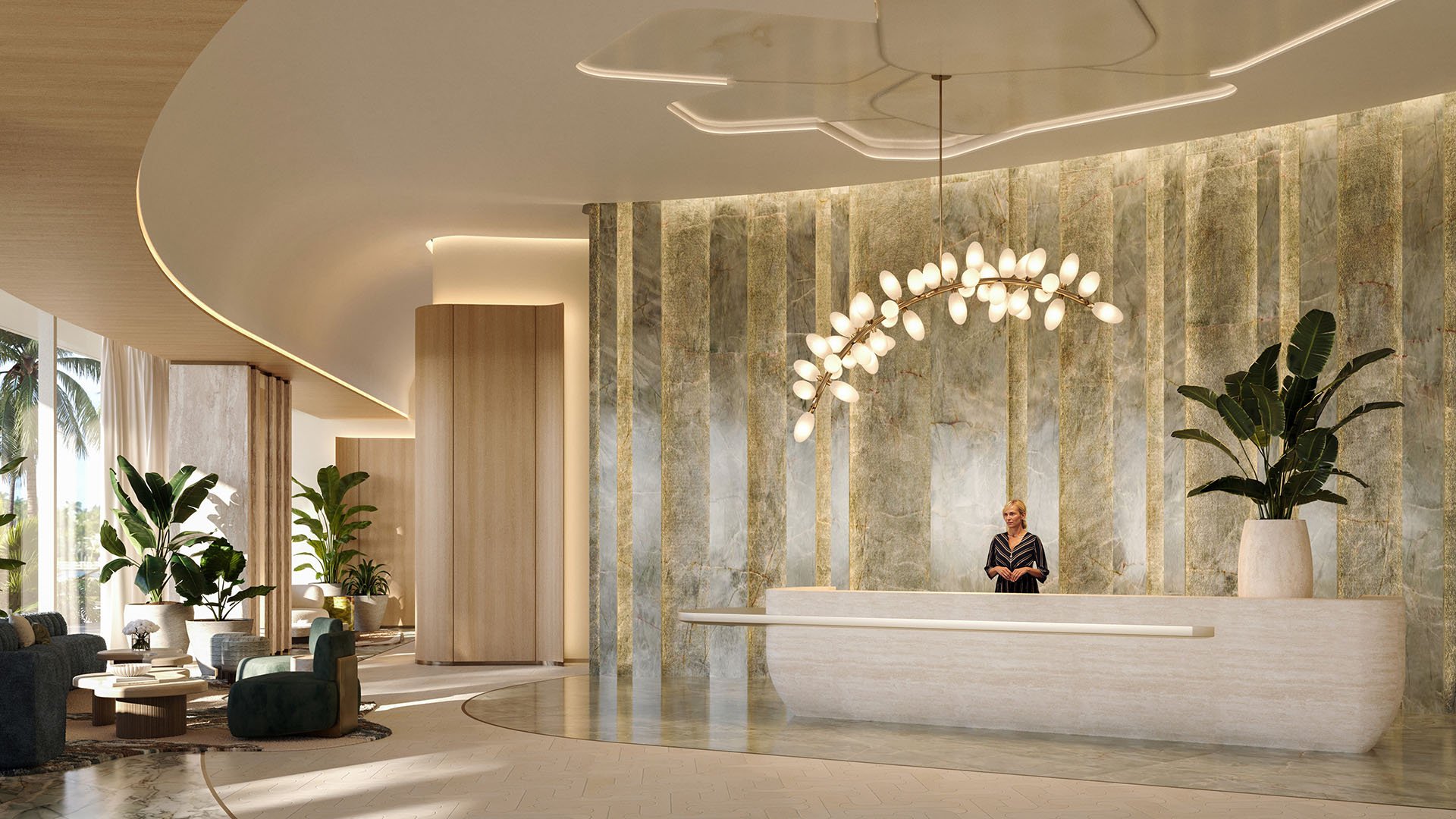
The lobby is a live document. It reveals resident behavior, staff tone, delivery flow, guest handling, and the level of everyday order. Visit at different hours if possible. Morning departures, late-afternoon arrivals, and weekend activity can each tell a different story.
Look for subtle signals. Are residents greeted by name? Are contractors, guests, and deliveries managed with calm control? Does the staff appear empowered or merely present? Is the seating area used as a social salon, a transient waiting room, or hardly at all? Does the space feel like a hotel lobby, a private club, or a residential foyer?
A buyer comparing Forté on Flagler West Palm Beach with other West Palm Beach options should pay close attention to these operational cues. They reveal how the building may feel once the novelty of a purchase has passed.
In a full-time residence, governance matters as much as stone, glass, and hardware. Review the governing documents, meeting tone where available, reserve philosophy, alteration policies, insurance posture, rental rules, pet parameters, guest access protocols, and procedures for moving in or out. Ask how conflicts are handled. Ask how quickly management responds to routine issues. Ask whether the board culture is pragmatic, protective, political, or passive.
Luxury buyers sometimes assume that high price points automatically produce harmony. They do not. A well-run building has a point of view about order, maintenance, and resident conduct. That point of view should align with yours. Too many restrictions can feel suffocating; too few can erode privacy and continuity.
For new-construction purchases, the culture may still be forming. In that case, evaluate the intended operating model, management structure, early house rules, and likely resident mix. The absence of history makes the buyer’s questions more important, not less.
Some owners enjoy a visible, highly attentive service environment. Others want precision without ceremony. Before purchasing, consider whether the building’s service style will feel natural over years of daily use.
Ask practical questions. How are packages handled? How are vendors cleared? How are guests announced? How do residents reserve shared spaces? How does the building handle peak arrival times? Does the staff manage boundaries kindly but firmly? Is there a culture of saying yes to everything, or a culture of preserving the building’s standards?
At properties such as Shorecrest Flagler Drive West Palm Beach, buyers should treat service culture as a core due diligence category. Full-time life magnifies small habits. A concierge desk that feels elegant on a tour must also function gracefully when a dog walker, housekeeper, delivery driver, and dinner guest all arrive within minutes.
A pool, fitness room, spa area, lounge, or private dining room has a culture. Ask who uses each amenity, when it is busiest, and what etiquette is expected. A quiet lap-pool experience differs from a family-heavy weekend atmosphere. A fitness center can feel private and efficient, or busy and social. A club room can become a refined extension of the home, or a space residents avoid because the tone is inconsistent.
For lifestyle buyers, this is where aspiration meets routine. If wellness is central to daily life, access and atmosphere matter. If entertaining is important, reservation policies and guest rules matter. If privacy is paramount, elevator configuration, amenity circulation, and staff discretion matter.
The correct question is not, “Does the building have the amenity?” It is, “Will I use this amenity in the way I imagine, without negotiating the building’s culture every time?”
Full-time owners experience a building differently from occasional residents. Seasonal shifts, holiday guests, visiting family, vendors, and short visits by friends can all change the feel of shared spaces. Review guest policies carefully. A building that feels composed during a weekday showing may feel very different when residences are fully occupied and social calendars are active.
Pets deserve the same attention. Ask about size policies, elevator etiquette, relief areas, grooming expectations, and how the building handles repeated issues. Pet-friendly does not always mean pet-orderly. For owners who value calm common areas, this distinction matters.
If you are considering Alba West Palm Beach as part of a broader West Palm Beach search, use the comparison to sharpen your own priorities. A polished residence should also support the daily rituals that make full-time life feel settled.
A serious buyer should create a resident’s checklist before the final decision. Arrive early. Leave late. Walk the route from car to elevator. Notice acoustic privacy. Study elevator wait patterns. Observe where staff stands and how residents move. Ask how maintenance is requested. Ask what happens when a resident hosts a dinner, renovates a unit, receives several deliveries, or needs urgent assistance after hours.
Also consider your private threshold. Some buyers want to know their neighbors. Others prefer cordial anonymity. Some value family presence and multigenerational energy. Others want a more adult, hushed residential atmosphere. South Flagler can appeal to buyers moving from private homes, established northern buildings, or other South Florida waterfront settings, but each buyer brings a different definition of ease.
The right building culture will not require you to edit your life every day. It will make your preferences feel supported.
What does building culture mean in a luxury condominium? It is the combined effect of governance, service style, resident behavior, amenity etiquette, privacy expectations, and daily operating standards.
Why is culture especially important for full-time buyers? Full-time owners experience the building every day, so small operational habits can become either a comfort or a constant irritation.
How can I evaluate culture before buying? Visit at different times, observe the lobby, ask detailed management questions, and review rules that affect guests, pets, vendors, and amenities.
Should I prioritize amenities or management quality? Both matter, but management quality often determines whether amenities remain enjoyable, orderly, and easy to use over time.
What should I ask about the board or association? Ask about decision-making style, communication, maintenance standards, alteration approvals, enforcement consistency, and long-term planning.
Is new construction harder to evaluate? It can be, because resident habits are still forming. Focus on the proposed operating model, house rules, management team, and early ownership profile.
How do guest policies affect daily life? Guest policies shape privacy, elevator traffic, amenity use, and the overall sense of residential control inside the building.
What role do pets play in building culture? Pet rules and etiquette affect elevators, common areas, staff routines, and neighbor comfort, especially in full-time residential buildings.
Should I speak with current residents if possible? Yes, discreet conversations can reveal how the building actually functions beyond the sales presentation and showing experience.
What is the best sign of a good cultural fit? The building should feel aligned with your routines, privacy expectations, and service preferences before you imagine changing anything.
For a discreet conversation and a curated building-by-building shortlist, connect with MILLION.
If branded residences are on your mind — as a home or as an allocation — we would be glad to share what we are seeing, privately.
Begin a quiet conversation