Villa Miami’s reviewed public materials leave important emergency-operation details unspecified. Buyers should seek written clarity on backup-power allocation, genuinely cooled refuge areas, and the conditions governing post-storm return.
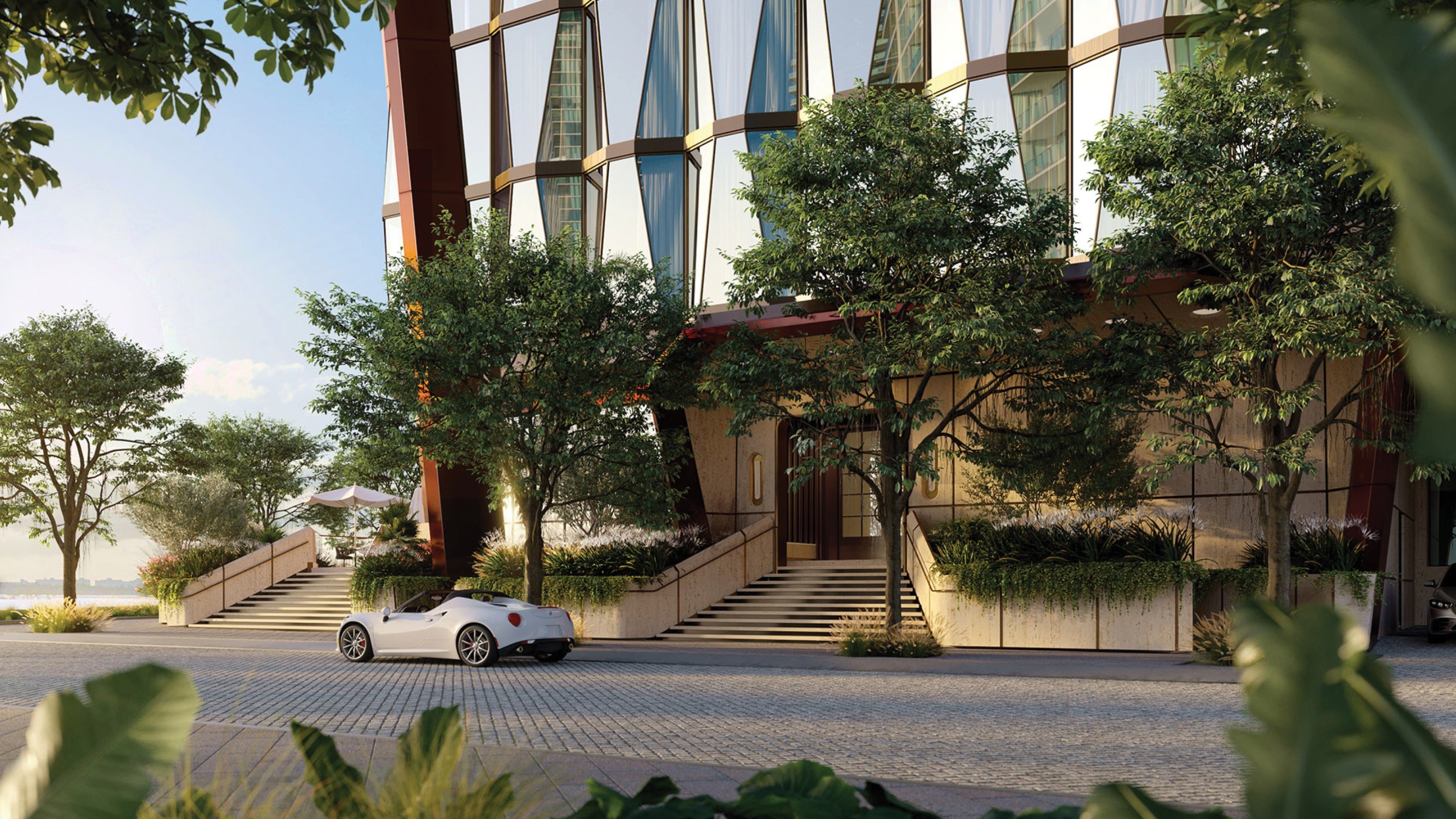
Waterfront living is often presented through its most pleasurable details. At Villa Miami, the amenities emphasize waterfront pools, soaking baths, and treatment rooms inspired by Italian thermal spas. For a discerning buyer, operational questions deserve equal attention: what remains powered during an outage, where residents can safely find cooling, and when they may return after a storm.
The reviewed public materials do not specify generator capacity, fuel duration, supported systems, or emergency-power allocation to individual residences. Nor do they identify a dedicated cooled refuge or explain the authorization and inspection process for post-storm return. These are disclosure gaps-not evidence that Villa Miami lacks the equipment, spaces, or plans in question.
That distinction matters. Buyers should neither assume comprehensive protection from an amenity presentation nor infer a deficiency from an omitted technical detail. The next step is written clarification.
“Backup power” is not a sufficiently precise answer. Villa Miami’s reviewed materials do not establish whether emergency electricity would support only life-safety and common-area functions or extend to selected residential loads. Those possibilities should remain distinct in a purchase decision.
Request a written schedule of equipment connected to emergency power. It should address elevators, emergency lighting and alarms, water pumps, access control, cooling equipment, and any supported circuits within residences. Ask which services can operate simultaneously and whether any are curtailed as fuel reserves decline.
The technical request should include rated kilowatts, fuel capacity, anticipated runtime at the stated operating load, transfer equipment, and testing procedures. Without its load assumptions, a runtime figure does not establish what residents can expect. Ask how fuel replenishment is planned and who communicates changes in available service.
For an Edgewater buyer also considering Aria Reserve Miami, the useful comparison is the same written schedule for each property-not a broad assurance that a building has a generator. This is a due-diligence framework, not a statement about either project’s installed systems.
A functioning emergency generator does not, by itself, establish that individual apartments will remain air-conditioned. In high-rise buildings, cooling towers may be shut down for safety during a storm, interrupting normal air conditioning even while some emergency electricity remains available. That general risk does not establish Villa Miami’s particular cooling design.
Ask for an explanation of the full cooling arrangement under emergency conditions. Which equipment requires power? Which components may be shut down during high winds? Would any residence retain cooling, and under what conditions? Request separate answers for the storm itself and the outage period afterward.
The same distinction applies to comparisons with Una Residences Brickell. Evaluate documented operating conditions rather than equating emergency electricity with uninterrupted residential comfort. This recommendation makes no comparative claim about either building’s performance.
Opening windows or using a balcony is not a safe substitute for indoor cooling during hurricane conditions. Nor should a portable generator be treated as an apartment workaround: generators must be used outdoors and away from windows.
A designated storm shelter or interior room serves a different purpose from an air-conditioned cooling refuge. During high winds, refuge should be in a designated shelter or appropriate interior room. That designation alone does not establish that the space has backup HVAC or will remain cooled during an extended outage.
Villa Miami’s reviewed materials do not identify a dedicated air-conditioned refuge, its location, occupancy limit, backup cooling, or eligibility for residents, staff, and guests. Ask whether such a space is planned or provided, then request operating details rather than relying on an informal description.
Those details should cover capacity, accessibility, restrooms, cooling duration, and the route residents would use if ordinary elevator service were unavailable. Clarify whether guests and staff share the same capacity allocation and how residents would learn that the space is open or full.
Residents dependent on electrically powered medical equipment should not plan to shelter somewhere that could lose power for hours, days, or weeks. Ask about accommodations, but build an individual contingency plan rather than treating an unconfirmed refuge as a medical-power guarantee. If alternative cooling is needed, relocation should occur only when conditions are safe.
The end of high winds does not necessarily mean permission to leave shelter or return to a residence. After a hurricane, remain inside until local authorities say it is safe to go outside. Gas leaks and electrical hazards also require caution; do not return to a home with a suspected gas leak until told it is safe.
Villa Miami’s reviewed materials do not disclose who authorizes resident return, which inspections precede access, how notifications are delivered, or whether entry is phased or restricted. Request a hurricane plan that explicitly addresses each point.
A useful plan should distinguish permission to travel through the surrounding area from permission to enter the building and access a particular residence. Ask who assesses building conditions, who can restrict unsafe or uninspected areas, and whether initial access could be limited to retrieving belongings rather than resuming occupancy.
For buyers comparing a Miami property with Five Park Miami Beach, jurisdiction also warrants attention. Miami Beach’s re-entry arrangements should not be assumed to govern Villa Miami in the City of Miami. Obtain the property-specific authorization chain and communications protocol in either case.
For a Pre-Construction purchase, request emergency-operation specifications and plans in writing, distinguishing intended provisions from confirmed arrangements. Ask the appropriate project representatives to explain what is finalized, what remains subject to change, and where the answers are documented.
Organize the request into three parts: an emergency-load schedule and runtime assumptions; cooling-refuge specifications and access rules; and a hurricane plan covering inspections, authorization, restricted access, resident communications, and emergency operating costs. These are buyer recommendations-not confirmed Villa Miami features or established legal requirements.
Second-home buyers should also ask how notices reach owners who are away and how authorized representatives obtain access after restrictions are lifted. The objective is not an unrealistic promise of uninterrupted normal life. It is a clear understanding of the services, limits, and decisions that would shape an extraordinary event.
For a discreet perspective on South Florida residences and the questions worth asking before purchase, explore MILLION.
If branded residences are on your mind — as a home or as an allocation — we would be glad to share what we are seeing, privately.
Begin a quiet conversationThe reviewed materials do not specify generator capacity, fuel duration, supported systems, or emergency-power allocation to residences. That omission does not establish that the building lacks a generator.
The reviewed materials do not establish whether backup power would serve only life-safety and common-area functions or also selected residential loads. Request a written connected-load schedule.
No; cooling towers may be shut down for safety during a storm, so some emergency electricity can remain available without normal apartment cooling.
Request rated kilowatts, connected loads, fuel capacity, runtime assumptions, transfer equipment, and testing procedures. Ask specifically about elevators, water pumps, access control, and cooling systems.
The reviewed materials do not identify its location, capacity, backup HVAC, or eligibility rules. This is a disclosure gap, not proof that no refuge exists.
No; a designated shelter or interior room is not necessarily supplied by backup cooling.
Residents dependent on electrically powered medical equipment should not plan to shelter somewhere that could lose power for an extended period. An unconfirmed cooling refuge is not a medical-power guarantee.
No; opening windows or accessing balconies during the storm is not a safe substitute for indoor cooling.
The reviewed materials do not disclose the authorization chain, inspection requirements, notification process, or access restrictions. Buyers should request the property-specific hurricane plan.
Miami Beach’s arrangements should not be treated as Villa Miami’s rules in the City of Miami. Confirm the applicable local instructions and the building’s own return procedures.