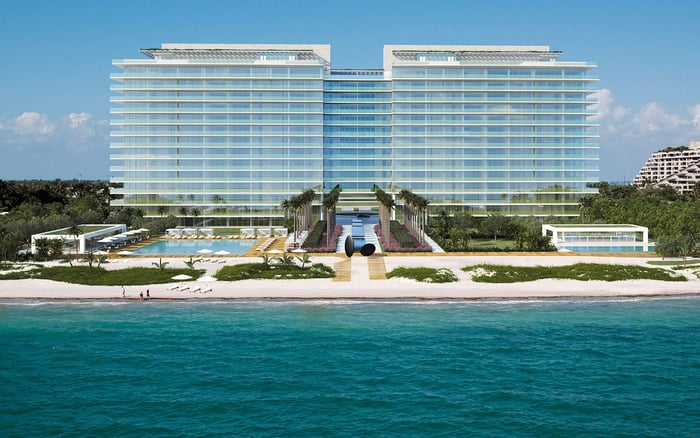
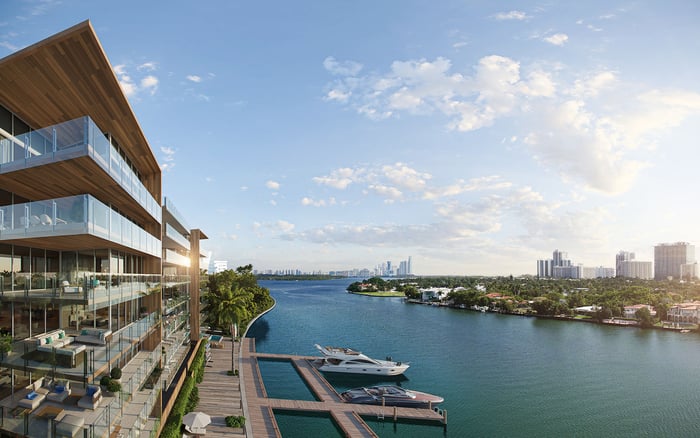
At Oceana Key Biscayne, domestic-water redundancy, upper-floor pressure, and pump condition require evidence beyond a services description. A focused buyer review should connect building-specific design records, maintenance history, and measurements inside the intended residence.
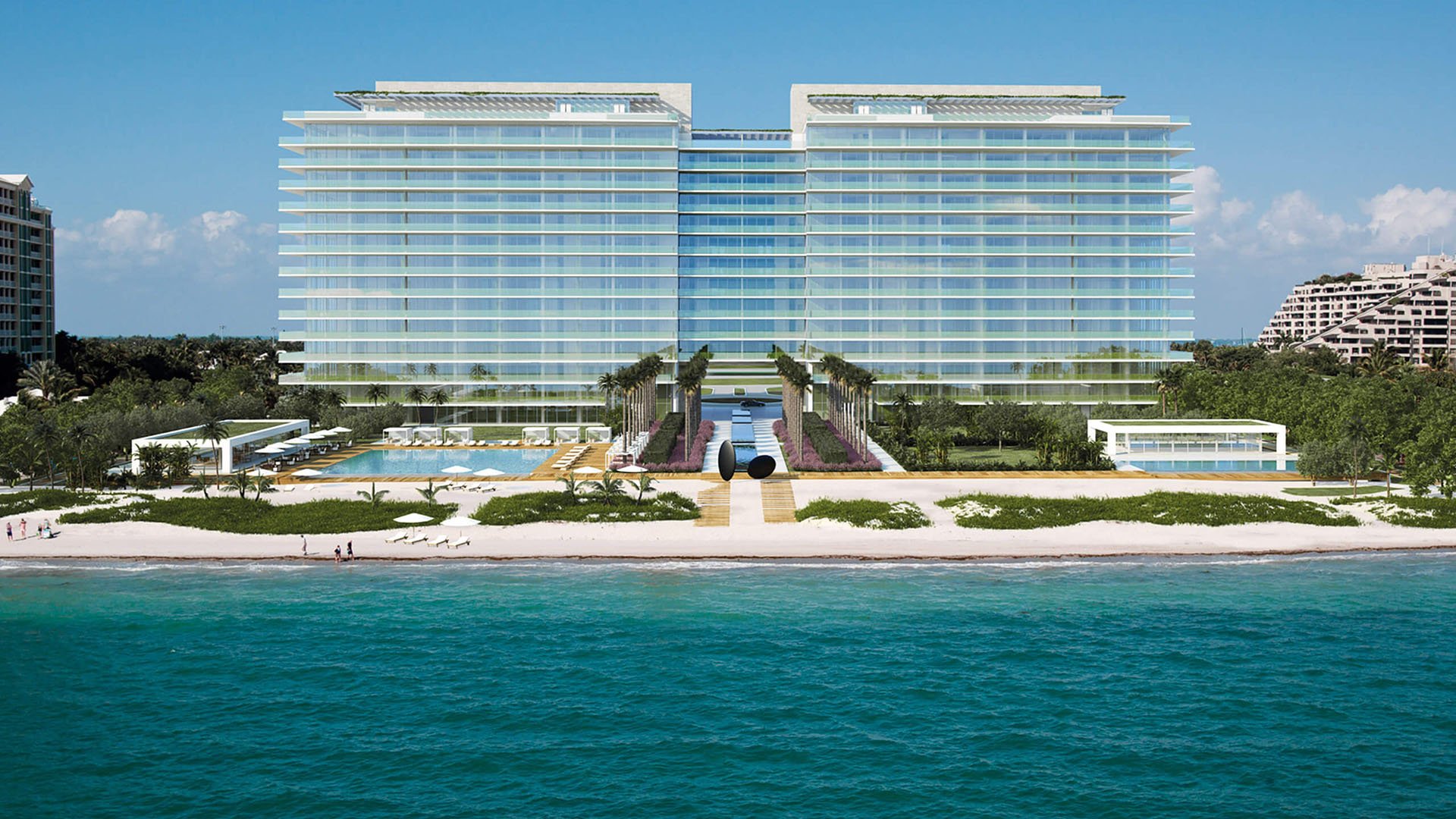
For a buyer considering Oceana Key Biscayne, some of the most revealing questions concern something less visible than finishes or views: whether domestic water remains dependable during ordinary use, equipment maintenance, and a power interruption. These questions concern the experience of ownership, not just the equipment that supports it.
Domestic-water redundancy, upper-floor pressure performance, and current pump condition remain unverified in the public record available for review. That is a disclosure gap, not evidence of inadequate pressure, neglected maintenance, or past outages. The appropriate response is a focused request for records and permission to test the intended residence.
For a premium purchase, the standard should be straightforward: distinguish what is described, what is documented, and what can be demonstrated. An included service is not a verified performance characteristic.
Oceana Key Biscayne was completed in 2015. Its contact address is 350 Ocean Drive, Key Biscayne, Florida 33149, while residences are identified at both 350 and 360 Ocean Drive. A buyer’s request should therefore specify the building address and residence, rather than rely on the development name alone.
Ask management to identify the domestic-water equipment serving that residence and confirm that each document supplied applies to the relevant building. This keeps a general response about the property from being mistaken for a unit-specific answer.
The association/front desk number, 786-574-9736, is a starting point for locating the appropriate records contact. A resident login also exists, but that does not establish that pump-maintenance records are accessible through it. Have the seller and management clarify how to obtain the records and secure any inspection permissions before assuming either is available.
Pump specifications, duty/standby arrangements, control configurations, and storage-tank capacity remain undisclosed in the materials reviewed. Duplicated pumps, separate electrical feeds, emergency pumping capacity, and an independent backup supply are also unverified. None should be treated as present or absent without supporting documentation.
Request an equipment inventory, pump schedules, and pressure-zone diagrams. Then ask for documentation showing whether domestic-water service continues with one pump unavailable. The useful question is not simply whether backup equipment exists, but what service the documented arrangement is intended to maintain.
Have an independent plumbing or mechanical professional explain the duty/standby arrangement: which equipment normally operates and which, if any, is held in reserve. Ask that professional to reconcile the drawings with the current equipment inventory and identify unanswered questions about controls or capacity.
If the seller describes the system as redundant, request the records supporting that description. A precise written explanation is more useful than a general assurance, particularly for a buyer assessing the residence for long-term ownership.
Upper-floor water-pressure performance and domestic-water pressure zones remain unverified. It would be equally unsupported to assume that an upper-floor residence has a problem or that its position guarantees satisfactory pressure.
Request static and flowing pressure measurements inside the intended unit. Static testing records pressure without fixtures running; flowing measurements examine conditions during use. Include simultaneous fixture use in the inspection scope rather than relying on a brief demonstration at one tap.
Ask the inspecting professional to record measurement locations, test conditions, and results, then explain their significance for that residence. Where pressure-zone documentation is available, have the professional connect it to the unit being inspected. A measurement from another residence is not a substitute.
Lifestyle expectations belong in that conversation. Describe how you expect to use the residence, including occasions when multiple fixtures may operate together, and ask the inspector to plan the test accordingly. The objective is evidence relevant to daily living, not a reassuring impression during a showing.
Current pump-maintenance logs, repair histories, and domestic-water performance-test results are not included in the available materials. A design document and a recent service record answer different questions; request both rather than allowing one to stand in for the other.
The maintenance request should cover preventive-maintenance logs, service records, repair and replacement invoices, recurring alarms, and recent pressure or flow tests. Ask management to connect equipment replacements to the current inventory so the buyer’s professional can identify which records describe the equipment now in service.
Look for a documented sequence: an issue identified, work performed, and any follow-up testing recorded. An invoice may establish that work occurred, but the buyer should still ask what it addressed and whether the outcome was checked.
Incomplete records warrant clarification, not an automatic allegation of neglect. Where the history remains unclear, seek permission for an independent inspection and ask the professional to distinguish verified conditions from unresolved questions.
Domestic-water backup during a power interruption remains unverified. Request the generator load schedule, transfer-switch documentation, and written outage procedures. Have the reviewing professional determine whether those documents establish support for the domestic-water equipment serving the residence.
Keep the questions specific: what equipment is covered, what operating arrangement is documented, and what procedures apply during an interruption? Do not turn a general statement about backup power into a promise of uninterrupted domestic-water service.
Apply this discipline throughout the search. If it also includes Park Grove Coconut Grove, request property-specific evidence there rather than transferring assumptions from another building. That is a consistent diligence standard, not a comparison of the projects’ systems.
Water and sewer are included condominium services at Oceana. That description does not establish redundancy, pressure performance, or equipment condition. Separately, request the governing documents defining association-versus-owner obligations, and have the relevant advisers explain how those responsibilities apply to the intended purchase.
Online municipal permit and inspection research is available for Key Biscayne across plumbing, mechanical, electrical, building, and structural categories. These records offer a useful supplementary avenue, but they do not replace association maintenance records or present-day performance testing.
For buyers also considering Oceana Bal Harbour, the same distinction matters: a project name or services description should not substitute for building-specific evidence. Make the same requests without assuming equivalent equipment or operating arrangements.
The decision should bring together three elements: documented design, maintenance history, and current unit-level measurements. Clearly identify unresolved items for the buyer and advisers before proceeding. This approach preserves discretion and rigor without confusing an unanswered question with an established defect.
For a considered approach to South Florida luxury ownership, explore MILLION.
If branded residences are on your mind — as a home or as an allocation — we would be glad to share what we are seeing, privately.
Begin a quiet conversationNo. They do not establish duplicated pumps, duty/standby arrangements, separate electrical feeds, emergency pumping capacity, or an independent backup supply.
No. The supplied information does not establish inadequate pressure, missing redundancy, neglected maintenance, or a history of outages.
Specify the residence’s actual building address and unit. Oceana’s contact address is 350 Ocean Drive, while residences are identified at both 350 and 360 Ocean Drive.
The association/front desk can be reached at 786-574-9736 to identify the appropriate records contact. The seller and management should clarify access and inspection permissions.
Request the equipment inventory, pump schedules, pressure-zone diagrams, and duty/standby documentation. Ask for evidence showing whether service continues with one pump unavailable.
Request static and flowing pressure measurements inside the intended residence, including simultaneous fixture use. Have an independent professional document the conditions and interpret the results.
Seek preventive-maintenance logs, service records, repair and replacement invoices, recurring alarms, and recent pressure or flow tests. Ask management to identify which records apply to the current equipment.
It remains unverified in the available materials. Request the generator load schedule, transfer-switch documentation, and written outage procedures for professional review.
No. An included-services description does not establish domestic-water redundancy, upper-floor pressure performance, or pump condition.
No. Village permit and inspection records can supplement the review, but they are not a substitute for association maintenance records or current unit-level measurements.