A disciplined Key Biscayne acquisition review should connect pet permissions, daily relief routes, elevator procedures, and off-island evacuation arrangements before a family commits to a residence.
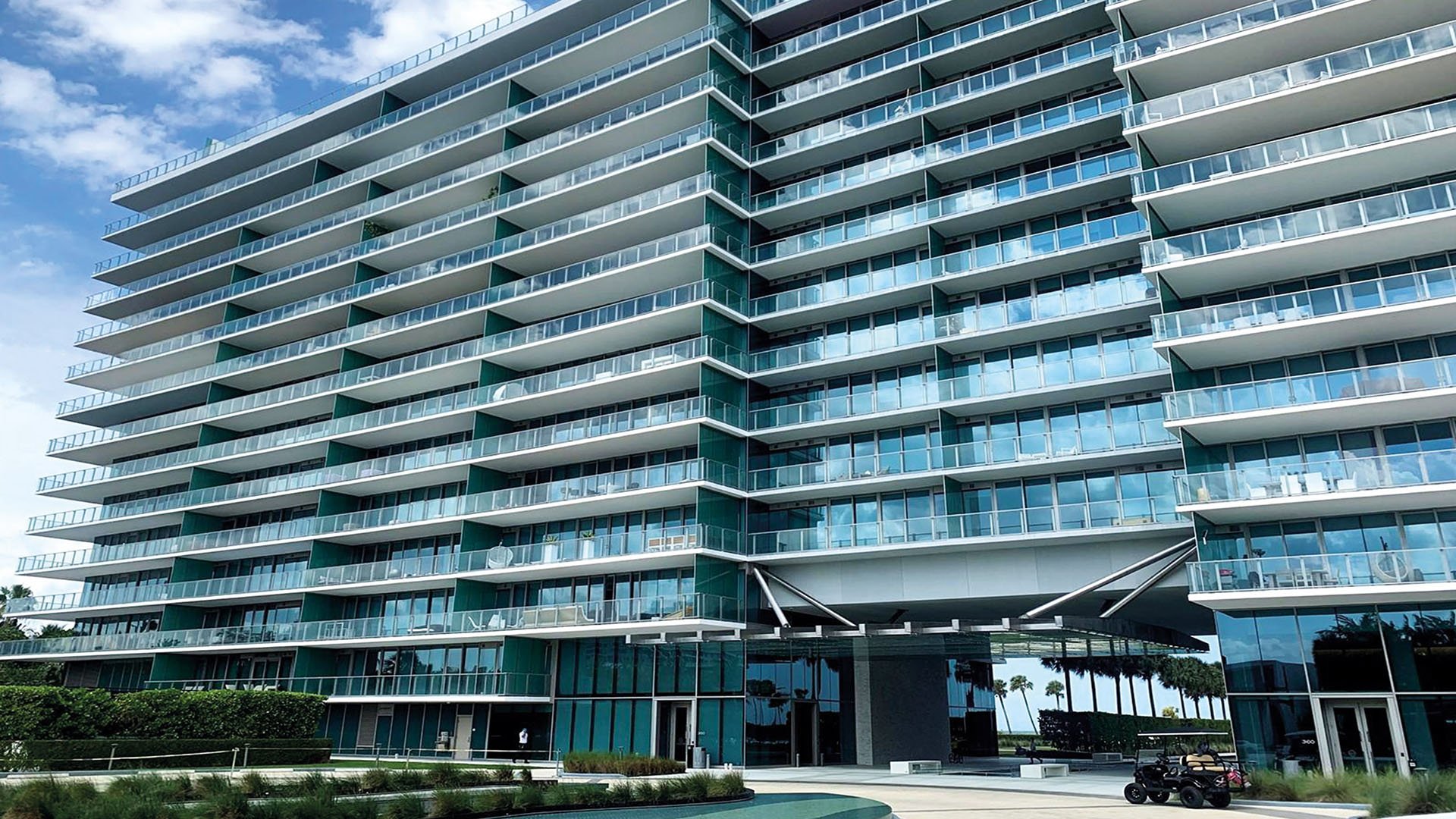
For a family office considering Key Biscayne, the acquisition brief should extend beyond architecture, privacy, and waterfront outlooks. A residence must accommodate both the household’s daily routines and its departure in an emergency. Pet permissions, a workable outdoor relief route, elevator procedures, and an executable evacuation plan warrant review before commitment-not after move-in.
The governing question is simple: can this household use the home comfortably under normal conditions and leave safely when required? For a buyer evaluating Oceana Key Biscayne, that means requesting the property’s current documents rather than importing assumptions from another island condominium. Assess each building independently, recording approvals and unresolved questions in the acquisition file.
Begin with the declaration, bylaws, current rules, and written confirmation of applicable approvals. Describe the animals that will occupy or visit the residence. Ask about number, size or breed limits, guest pets, registration, fees, designated entrances, and elevator use. A broad assurance that a building is pet-friendly does not answer those questions.
At Bahia Mar of Key Biscayne, one dog or one cat less than 15 inches tall is permitted; other pets require written board approval. Approved animals must be registered with management, including type, age, size, color, and a photograph. Pets are prohibited in the pool area and must be leashed or controlled. Owners must clean up pet waste in common areas.
These provisions are building-specific, not an island-wide standard. Confirm that the online rules remain current and formally adopted before relying on them. A nuisance or unreasonable disturbance can also result in an animal’s removal from the unit or loss of pet privileges. Permission and ongoing compliance therefore belong in the same review.
Pet ownership is also a circulation question. At Bahia Mar, dogs and cats must leave the property to relieve themselves. The full journey from apartment door to permitted outdoor location is therefore a purchase consideration, not a detail to leave for household staff after move-in.
Walk the proposed route with management. Establish which corridors, elevators, entrances, and gates may be used, and where the property boundary falls. Consider whether the routine is practical for the person who will handle the animal, including a caregiver or pet sitter. Ask how access changes when an elevator is unavailable; do not assume the everyday route remains usable in an emergency.
Resolve contradictory language explicitly. At Bahia Mar, one provision requires dogs and cats to be carried from the apartment to outside, while another permits approved pets in elevators and common areas without being carried. Request written clarification from the association before relying on either interpretation for the household’s routine.
An elevator review should produce written procedures, not a general assurance about backup systems. Ask management to explain fire-alarm recall, hurricane shutdown, flooding, power interruptions, and the inspection or authorization required before post-storm service resumes. Do not assume an emergency elevator protocol applies to a particular building without confirmation.
Request the generator load schedule and stated fuel autonomy. Identify whether supported loads include elevators, garage gates, access controls, pumps, and communications. Then ask which functions remain available under each emergency procedure. Backup power and permission to operate an elevator are separate questions; the purchase file should address both.
For a broader Coconut Grove comparison, apply the same document requests to Park Grove Coconut Grove. The objective is a consistent review standard, not a presumption that one property’s systems or procedures match another’s.
Ask separately about mobility-assistance arrangements and responsibilities. A household member who depends on an elevator needs a departure plan coordinated with management and applicable emergency instructions-not an improvised workaround after service stops.
All of Key Biscayne is in Miami-Dade Evacuation Zone A, the first area called to evacuate. Once a mandatory evacuation order is announced, residents must leave the island and seek safe shelter. Building staffing, a generator, or a well-equipped residence does not replace that obligation.
The island’s evacuation route follows Crandon Boulevard and the Rickenbacker Causeway, its only road connection to the mainland. Mainland evacuation corridors include US-1, I-95, the Palmetto Expressway, and Florida’s Turnpike. Treat these as a planning framework, not a guarantee of journey time or an instruction to use every corridor.
Choose an off-island destination in advance and confirm that it can accommodate family members, staff, caregivers, and pets. Establish a backup destination as well. Consult local emergency management for operative evacuation orders and follow the household’s individual hurricane plan when evacuation is mandated. Keep the emergency-information hotline, 305-365-NEWS (6397), in the household contact sheet.
A destination plan is incomplete until admission arrangements are clear. Miami-Dade evacuation-center locations are announced before a storm’s arrival, and service animals are permitted at all county evacuation centers. That rule does not mean ordinary household pets are accepted at every center. Confirm the relevant arrangements; do not treat the two admission categories as interchangeable.
If the family office is also considering Una Residences Brickell, keep the Brickell acquisition review separate from emergency-destination approval. An off-island address alone does not confirm suitability during a particular storm. Assess the proposed destination against current official instructions and the household’s needs.
Assign responsibility for transportation, animal documentation, medication, carriers, and communications. Include visiting relatives and temporary caregivers in the plan. Departure should not depend on one principal, one staff member, or an assumption that someone else has handled the pets.
Before commitment, have counsel and the household’s operating team consolidate the findings into a concise decision file. Include current pet permissions, the clarified relief route, elevator procedures, emergency-power scope, mobility-assistance arrangements, and the off-island plan. Identify unresolved items and decide which must be settled before proceeding.
Request vehicle-removal, absentee-owner, and re-entry procedures as well. Assign someone to receive management notices when the owners are away, and clarify who can act on their behalf. Ask what must occur before residents return and before elevators or other affected systems resume use.
The luxury standard is not an absence of rules. It is a residence whose rules and emergency procedures fit the household well enough to be understood, delegated, and followed. A disciplined purchase plan makes that compatibility clear before the keys change hands.
For a considered approach to Key Biscayne ownership, explore South Florida residences with MILLION.
If branded residences are on your mind — as a home or as an allocation — we would be glad to share what we are seeing, privately.
Begin a quiet conversationAll of Key Biscayne is in Miami-Dade Evacuation Zone A, the first area called to evacuate.
Residents must leave the island and seek safe shelter. The household plan should identify an off-island destination and account for family, staff, caregivers, and pets.
The route follows Crandon Boulevard and the Rickenbacker Causeway, the island’s only road access on and off Key Biscayne. Mainland evacuation corridors include US-1, I-95, the Palmetto Expressway, and Florida’s Turnpike.
Request the declaration, bylaws, current rules, and written confirmation of applicable approvals. Clarify animal limits, guest pets, fees, registration, entrances, elevator use, and the permitted relief route.
No, they are building-specific. Its published rules permit one dog or one cat less than 15 inches tall, with written board approval required for other pets; confirm the rules remain current and formally adopted.
The permitted route may require travel beyond the property grounds, as Bahia Mar’s published rules require. Walking it helps assess whether access and handling requirements suit the household.
The published document includes conflicting provisions about whether dogs and cats must be carried through the building. Obtain written association clarification before relying on either interpretation.
Request written elevator procedures for fire-alarm recall, hurricane shutdown, flooding, power interruptions, and post-storm return to service. Also request the generator load schedule and fuel autonomy, identifying which systems receive emergency power.
Do not assume they are. Service animals are permitted at all Miami-Dade evacuation centers, but household-pet admission arrangements require separate confirmation.
Key Biscayne’s emergency-information hotline is 305-365-NEWS (6397). Consult local emergency management for operative evacuation orders during an emergency.