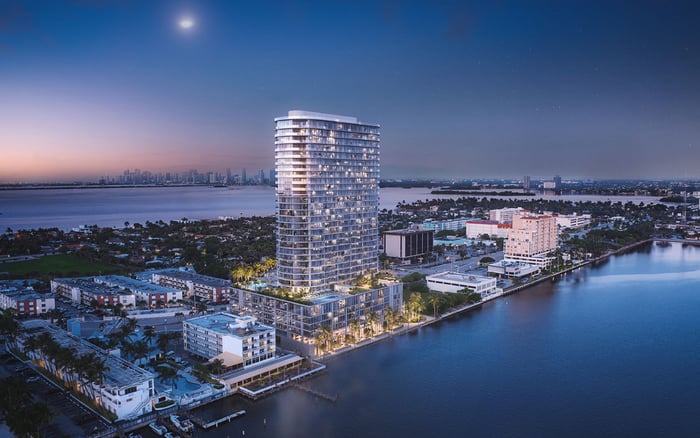
For seasonal owners in North Bay Village, dependable water service begins with building-specific verification. Review pump redundancy, maintenance evidence, electrical backup and upper-floor interruption procedures before relying on a residence from afar.
For a seasonal owner, a waterfront residence should be as manageable from afar as it is enjoyable in person. Water pressure belongs in that assessment. The essential question is not simply whether water reaches the building, but how the building maintains service to the residence when incoming pressure falls or equipment needs attention.
Upper floors can be vulnerable to reduced pressure. Interruptions can also be intermittent, more noticeable during peak morning and evening demand than as a complete outage. A satisfactory experience during a single viewing does not establish reliability.
For buyers considering Continuum Club & Residences North Bay Village, this is a framework for requesting building-specific documentation, not a statement about its equipment. The same distinction applies to every residence discussed here. Past service disruptions do not establish an active outage or a continuing pressure defect.
Ask how building personnel verify booster-pump operation during a low-pressure event. The building’s equipment is central to the inquiry, alongside utility service. But the presence of pumps does not establish automatic failover or adequate capacity when one pump is unavailable.
Ask management for a written description of the pump configuration. Request an explanation of which equipment serves the intended residence, what happens when a pump stops, and whether transfer to another pump is automatic or requires staff intervention. Clarify who receives the alarm and who can respond outside normal hours.
The decisive follow-up is capacity: what service can the remaining equipment maintain with one pump offline? Request supporting documentation or a qualified technical explanation, including any operating restrictions. Do not accept “redundant” as a complete answer. The practical issue is what remains available during a failure, not simply how many components are installed.
Maintenance assurances carry more weight when supported by service records. Request the latest inspection and service documentation, available pressure readings, alarm history, findings on controls and valves, and a clear account of unresolved repairs. Ask management to distinguish completed work from recommendations awaiting authorization or scheduling.
A service visit and a demonstrated operating condition answer different questions. Ask what was checked, whether pressure was measured, and whether the findings address the floors relevant to your purchase. If a repair remains open, request its expected completion date and any interim operating limitations.
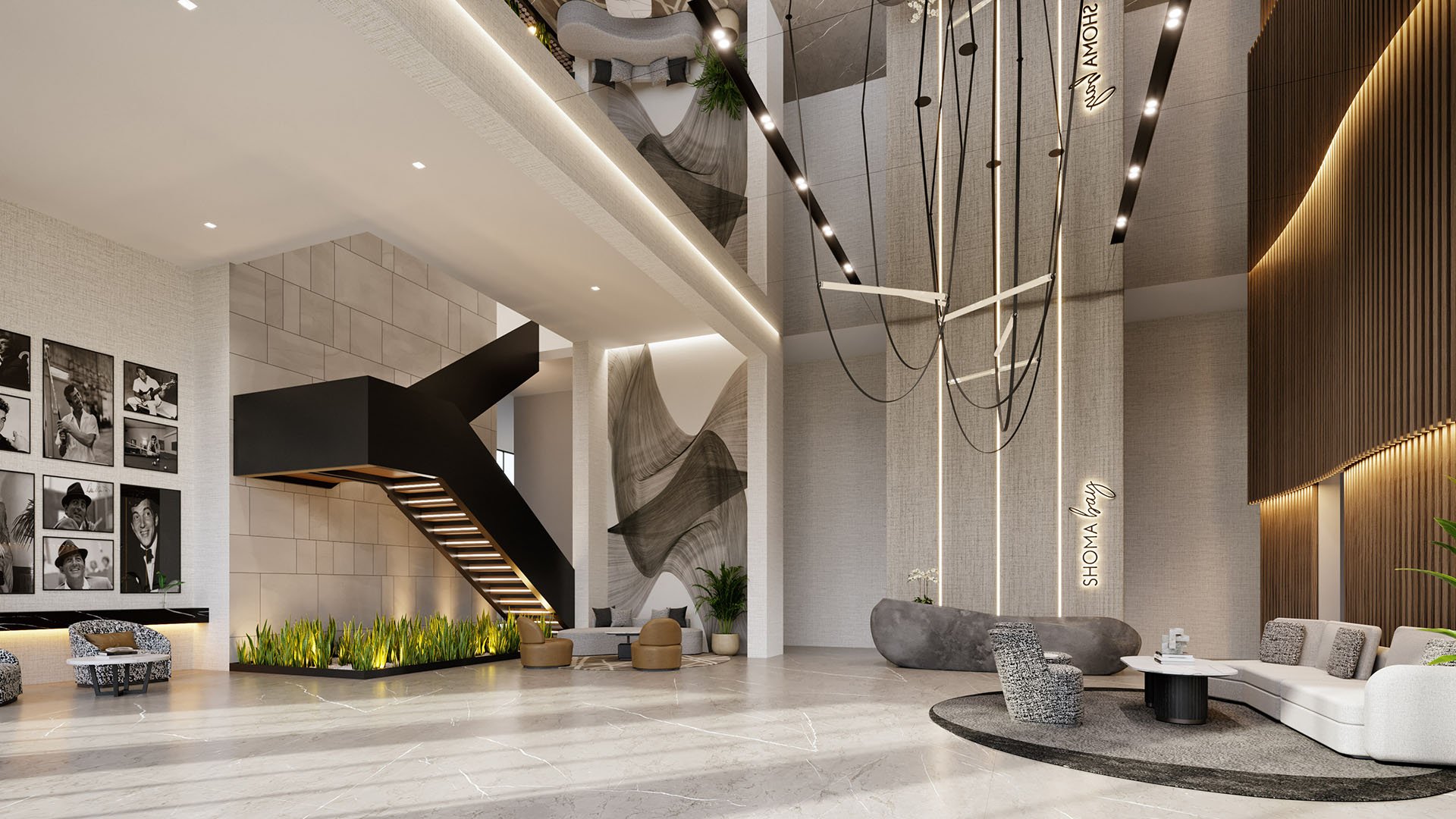
When evaluating Shoma Bay North Bay Village, apply the same evidence-led approach without assuming a particular pump arrangement or maintenance history. For any purchase, clarify whether a document describes installed equipment, proposed equipment or a future operating procedure. Keep those distinctions explicit in the buyer’s assessment.
Water-pressure redundancy and electrical backup are separate questions. Do not infer that domestic-water pumps receive emergency power merely because a building has backup electricity. Ask whether those pumps are connected to the emergency supply and whether their operation has been tested under demand.
Request the relevant test record and an explanation of any limitations. Clarify who initiates or supervises operation and what happens if automatic transfer does not occur. These are due-diligence requests, not assurances that any named building has such arrangements.
Do not attempt to resolve a pressure issue through an independent equipment change. Bring proposed technical changes to management and appropriately qualified professionals for documented review.
An upper-floor residence warrants procedures that address conditions inside the unit. Request written notification methods, any water-use restrictions, the person authorized to confirm restoration, and arrangements for an extended interruption. Ask how management distinguishes reduced pressure from no-water conditions and communicates which floors are affected.
Elevator availability requires a separate answer. Ask whether the building’s interruption plan addresses elevator operation and how residents would access an upper-floor unit if elevators were unavailable. Do not assume that a water-service response also resolves access concerns.
Ask management to distinguish routine pressure-reduction procedures from broader emergency plans and to identify who communicates any occupancy restrictions. Owners should know the applicable plan before they need it.
Before leaving for the season, confirm unit shutoff locations, authorized local access, emergency contacts and enrollment in building alerts. Ask management which actions an absent owner or representative may take and which require building personnel. A local contact is useful only when access and authority are understood in advance.
For a buyer assessing Tula Residences North Bay Village, seasonal readiness belongs alongside the broader purchase review. Request the applicable owner procedures rather than assuming that alerts, access arrangements or interruption support are included. Keep contact details current and ensure your representative has the instructions needed to act.
Confirm the appropriate utility emergency contact with management or the utility before departure, and keep it with building-management and local-representative contacts. Ask who handles utility notification and how an absent owner receives updates during an interruption.
Restored utility service does not, by itself, establish the condition of a particular condominium’s pumps or explain what occurred on an upper floor. Ask management to distinguish utility-side conditions from building-side equipment findings.
After an event, request a concise written account of the cause, duration, affected floors, temporary repairs, permanent corrective work and repair timeline. Ask whether unresolved items change the building’s operating procedures or require another test. This creates a useful record for an owner returning months later, when the immediate inconvenience may have faded from view.
For the seasonal buyer, the standard is straightforward: documented equipment capability, current service evidence and a clear response plan. A beautifully appointed residence deserves an equally considered operating review, especially when its owner is away.
For a considered approach to South Florida ownership, explore MILLION.
If branded residences are on your mind — as a home or as an allocation — we would be glad to share what we are seeing, privately.
Begin a quiet conversationUpper floors can be vulnerable to reduced pressure. Building equipment and interruption procedures therefore matter alongside incoming utility service.
No. Request documentation of transfer behavior and the capacity available when one pump is offline.
Request the latest inspection and service documentation, available pressure readings, alarm history, control and valve findings, and unresolved repairs.
Do not assume it does. Ask whether the pumps receive emergency power and whether operation has been tested under demand.
Yes. Pressure reductions can be intermittent and more noticeable during peak morning and evening demand.
It should explain notifications, any water-use restrictions, restoration authority, elevator availability and arrangements for an extended interruption.
No. Ask management how the applicable plan addresses elevator operation and access to upper-floor residences.
Confirm shutoff locations, authorized local access, emergency contacts and enrollment in building alerts. Clarify what your representative may do and what requires building personnel.
Confirm the appropriate contact with management or the utility before departure. Keep it alongside building-management and local-representative contacts.
Request the cause, duration, affected floors, temporary repairs, permanent corrective work and repair timeline. Clarify whether unresolved items require further testing or revised procedures.