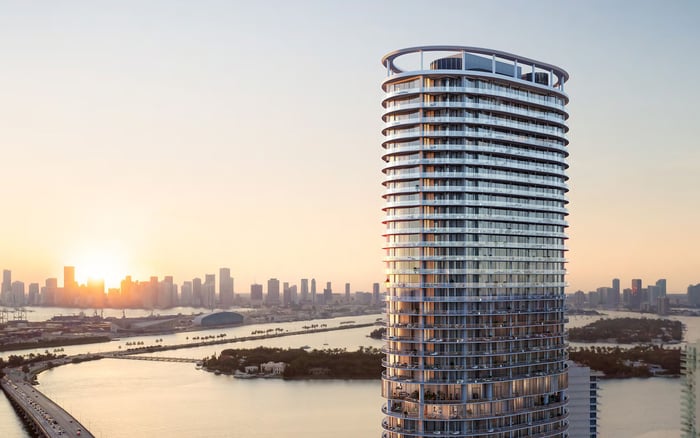
For Miami Beach households with children and caregivers, effortless amenity use begins with precise permissions. Verify supervision rules, staff credentials, guest sponsorship, leasing rights, and waiver signatories before building a family routine around a residence.

For a Miami Beach household with children and staff, an amenity’s value depends on more than its design. The practical question is whether a caregiver can accompany a child, remain in the required areas, and manage the visit while the owner is elsewhere. A beautiful setting cannot substitute for clear permissions.
When considering Five Park Miami Beach, make the household’s daily routine part of the document review. Give management a specific scenario: a registered caregiver arriving with resident children while their parents are away. Request written confirmation of what is permitted, which credentials are required, and whether any activities require the resident’s presence.
Apply the same review across the shortlist. The projects referenced here provide settings for due diligence, not assertions about their caregiver policies. Authorization to escort a child is not permission to use amenities independently, sponsor guests, or sign a release.
Request the declaration, bylaws, current amenity rules, and applicable registration forms. Florida condominium associations may suspend an owner’s, tenant’s, guest’s, or invitee’s common-facility privileges for a reasonable period for violations of governing documents or reasonable association rules. Staff instructions should therefore reflect written requirements, not informal expectations.
Clarify how the association classifies each person. An employee accompanying a resident child may need different approval from a visiting relative or a child’s friend. Ask whether a credential permits entry only, supervised access to designated amenities, or broader use. Possession of a key or access card does not confirm permission.
Under Florida’s 2025 condominium framework, tenants generally receive the common-element and association-property use rights ordinarily available to owners. Owners generally retain only guest access unless tenants waive those rights in writing. Confirm the applicable law and documents before planning overlapping use by tenants, owners, and household staff.
For a purchase at Faena House Miami Beach, evaluate the intended occupancy arrangement alongside household access. If the residence will be leased, ask management how that arrangement affects the family’s return visits and any caregiver accompanying them.
A useful caregiver approval identifies the person, the children covered, the permitted activities, and any conditions. Ask whether drop-off and pickup authorization also allows the caregiver to remain with a child during amenity use. Confirm whether the owner must be on site or simply reachable.
Treat independent use as a separate question. Permission to supervise a child should not be read as permission for an employee to swim, exercise, or visit without that child. Nor does authority to collect a child establish authority to invite another family into a residential amenity.
Establish the substitution procedure before it becomes urgent. Ask how temporary caregivers are approved, what identification is needed, how long authorization lasts, and how departed employees lose access. Written answers give the household manager a repeatable process rather than a series of front-desk negotiations.
Miami Beach municipal pools illustrate why precise thresholds matter. Children under 12 must be accompanied by an adult. Proper swim diapers are required for children three or younger or under 36 inches tall. These are municipal requirements, not automatic rules for condominium pools.
For every facility the family intends to use, verify the relevant age thresholds, required adult age, swim-competency procedures, and supervision distance. Ask whether the caregiver must enter the water or remain within arm’s reach. Do not assume lessons completed elsewhere satisfy a facility’s own competency requirement.
At municipal swimming areas, use is permitted only while a lifeguard is on duty, and the combined pool-and-deck load is limited to 35 people per lifeguard. Check private residential arrangements separately. A household’s supervision plan should not assume lifeguard coverage simply because a pool is an advertised amenity.
For buyers evaluating The Perigon Miami Beach, request a written explanation of the applicable operating rules and supervision responsibilities rather than relying on assumptions drawn from another property.
A caregiver and a visiting child raise two distinct permission questions. Before arranging a playdate, confirm who may sponsor guests, whether the owner or registered tenant must remain present, and whether an authorized caregiver may supervise visiting children at all.
Ask about guest passes, visit caps, fees, advance registration, and first-visit paperwork. Verify the current schedule rather than relying on an older policy or a previous season’s experience. Establish whether permission covers the entire amenity area or only specified spaces.
When reviewing Setai Residences Miami Beach, describe the intended visit precisely: resident children, their caregiver, and a nonresident friend. Request the applicable approval process without presuming that caregiver registration also confers guest-sponsorship privileges.
An access form and a liability waiver serve different purposes. A residential pool release may address family members, children, people in the signer’s care, invitees, and guests. It may also include supervision obligations or state that no lifeguard is on duty. Review the full document, not just its signature page.
Do not assume a household employee can execute a binding release for a minor. Confirm required signatories with the facility and Florida counsel. Approval to escort, supervise, or collect a child does not resolve signing authority. Nor should a signed form be treated as eliminating every liability question.
Ask counsel to review the proposed release, and discuss the household’s arrangements with its insurance adviser. The objective is to understand responsibilities before participation, not discover conflicting assumptions after an incident.
Keep approved caregiver names, current rules, waiver confirmations, emergency contacts, and relevant swim-competency records together. Give staff a concise operating sheet covering check-in, permitted areas, supervision, guest restrictions, and whom to contact about an access problem.
Include everyday restrictions. Municipal pool rules require entrance check-in, pre-entry showers, and proper swim attire; restrict toys and flotation devices; and prohibit glass and Styrofoam containers, alcohol, and smoking on the deck. Verify the residential facility’s own requirements separately. Walk through gates and access points with staff so written permissions are matched by careful physical access control.
The result should be a routine the household can follow confidently, with each person’s permissions understood before arrival.
For a considered approach to Miami Beach residential selection, explore MILLION.
If branded residences are on your mind — as a home or as an allocation — we would be glad to share what we are seeing, privately.
Begin a quiet conversationNo. Permission to accompany a child should be distinguished from independent facility use, and owners should confirm each permission in writing.
Request the declaration, bylaws, current amenity rules, registration forms, and applicable releases. Ask management to confirm how those documents apply to the household’s intended routine.
Florida condominium associations may suspend privileges for a reasonable period for violations of governing documents or reasonable association rules. Those privileges can involve owners, tenants, guests, and invitees.
Under Florida’s 2025 condominium framework, tenants generally receive the ordinary common-element and association-property use rights, while owners retain guest access unless tenants waive those rights in writing. Confirm the applicable law and documents before arranging use.
Children under 12 must be accompanied by an adult. Condominium and other private facilities may have different age and supervision requirements.
Miami Beach municipal pool rules require proper swim diapers for children three or younger or under 36 inches tall. Check private facilities separately.
No. Verify staffing and supervision responsibilities for the specific residential facility; municipal swimming areas permit use only when a lifeguard is on duty.
Do not assume so. Confirm guest sponsorship, resident-presence requirements, registration, fees, and any limits separately from caregiver approval.
Do not assume that escort or pickup authorization establishes authority to sign a binding release. Confirm required signatories with the facility and Florida counsel.
Keep approved caregiver names, current rules, waiver confirmations, emergency contacts, and relevant swim-competency records together. Include written procedures for substitute caregivers and changes in staff access.