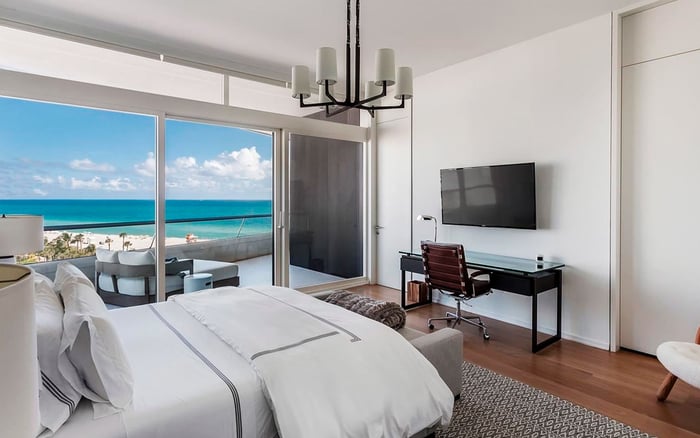
A buyer’s guide to aligning Setai’s association insurance with the residence being acquired, from replacement-cost valuation and code-upgrade coverage to interior improvements, deductibles, and HO-6 protection.
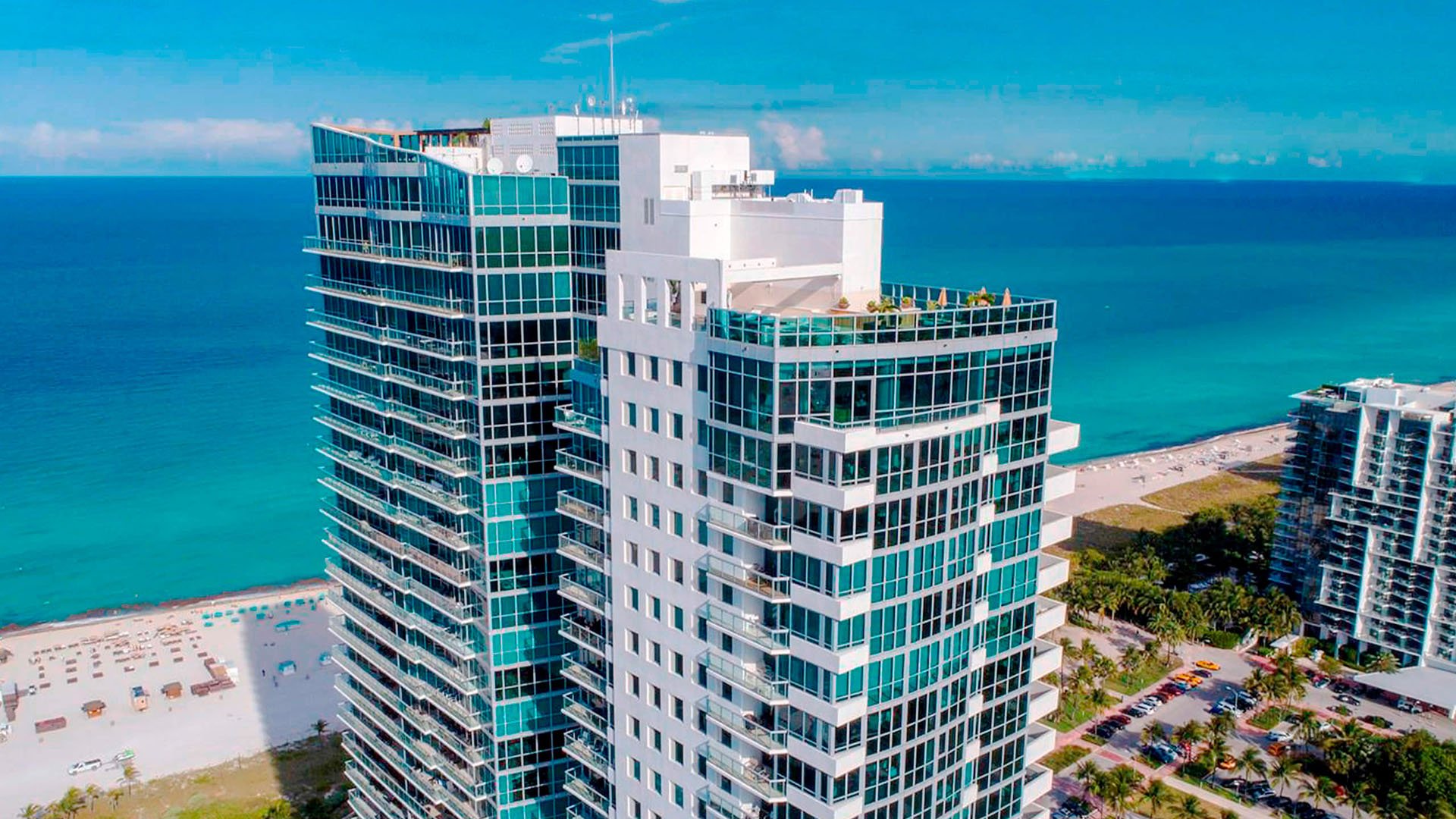
At Setai Residences Miami Beach, located at 101 20th Street in South Beach, insurance diligence deserves the same attention as the residence’s finishes. The central question is not simply whether the association carries a substantial master policy, but whether the building coverage, the owner’s policy, and the residence’s replacement needs align.
A building’s total insured value does not establish that a particular residence’s finishes, contents, or improvements are fully covered. For a buyer acquiring carefully selected interiors, that distinction matters. Flooring, cabinetry, countertops, and window treatments require their own insurance analysis, even when the association’s building coverage is adequate.
The checks below are acquisition safeguards, not an indication that Setai is underinsured or has a known coverage defect. Confirm current limits, deductibles, appraisal dates, and residence-specific coverage in the actual documents before closing.
Florida law requires condominium associations to maintain adequate property insurance for property they are responsible for insuring. Under the applicable statutory framework, the insurance valuation must be based on an independent replacement-cost appraisal or update at least every 36 months.
Request the latest appraisal and any update. Check the date, property included, valuation assumptions, and inflation adjustments. Then compare that scope with the insured values in the master policy. The aim is to establish whether the valuation and policy describe the same property on a consistent basis.
Obtain the full master policy, declarations page, and endorsements rather than relying on a coverage summary. Review policy dates, limits, exclusions, valuation provisions, and deductibles. Confirm whether covered property receives replacement-cost or actual-cash-value treatment; depreciation can reduce payments under actual-cash-value coverage.
For buyers also considering Faena House Miami Beach, conduct the same document-led review independently. Compare each association’s actual coverage rather than assuming that similar residences share similar insurance terms.
Replacement-cost coverage and code-upgrade protection answer different questions. A valuation addresses replacement needs; ordinance-and-law provisions address specified consequences of rebuilding under current requirements. A large building limit does not confirm that every code-related expense is covered.
Ask the association’s insurance representative to identify coverage for loss involving undamaged portions, demolition costs, and increased rebuilding costs required by current codes. Obtain the applicable limits and endorsements for each component, including any shared limits or sublimits.
Request written clarification of how those expenses are treated: within the master policy, under a separate sublimit, excluded from coverage, or potentially covered by the owner’s HO-6 policy. This clarifies the distinction between a stated benefit and an available recovery.
The same questions belong in a comparison with Five Park Miami Beach. Evaluate each property’s actual policy wording rather than carrying an answer from one building to another.
Florida’s master-policy framework generally covers condominium property as originally installed, or replacement of like kind and quality consistent with original plans and specifications, subject to statutory exclusions. It also includes qualifying alterations or additions to condominium or association property made under the statutory approval framework.
Those provisions do not erase the exclusions for specified unit interiors. Unit-only floor, wall, and ceiling coverings; electrical fixtures; appliances; water heaters and filters; cabinets; countertops; and window treatments remain the owner’s insurance responsibility.
For a residence with upgraded finishes, the exposure can be substantial. The question is not whether an interior looks original or newly renovated, but which items fall within the statutory insurance allocation and what the owner’s policy would pay to replace them.
Build an inventory using finish schedules, renovation approvals, invoices, and photographs. Provide that material to the HO-6 insurer to establish a building-property or improvements-and-betterments limit that reflects the actual residence. Treat personal property separately, and do not assume the purchase price provides an appropriate insurance limit.
Insurance responsibility and maintenance responsibility are not interchangeable. Review the condominium declaration’s maintenance and repair allocations, but do not use them as a substitute for the statutory insurance framework. The declaration does not override statutory insurance requirements.
Seek written clarification for windows, doors, balconies, HVAC, plumbing, and other components whose responsibilities may differ. Ask who maintains each component, who repairs it after damage, and which policy may respond to an insured loss. These questions are related, but their answers may differ.
This discipline also matters when evaluating The Perigon Miami Beach alongside Setai. Each property requires its own review of governing documents and coverage terms; design preferences do not resolve insurance allocation.
Obtain the applicable hurricane, named-storm, wind, water, flood, and other-peril deductible schedule. For percentage deductibles, ask exactly which insured value forms the calculation base. A percentage alone does not adequately describe the financial exposure.
Review the owner’s HO-6 policy alongside the association’s insurance, including improvements, personal property, additional living expenses, liability, water damage, and loss assessment. Florida law requires individual condominium-unit policies to state that coverage is excess over amounts recoverable under other insurance covering the same property. Coordination matters more than simply adding the two policies’ headline limits.
For loss assessment, inspect the limit, deductible-related sublimits, and covered-cause requirements. Do not assume every association assessment is insured. Verify flood protection separately rather than treating it as interchangeable with windstorm or ordinary water-damage coverage, and confirm whether a separate policy is needed.
The closing file should contain the current master policy and endorsements, replacement-cost appraisal or update, deductible schedule, ordinance-and-law provisions, relevant declaration sections, and proposed owner’s coverage. Pair those documents with the residence’s finish inventory so the insurance review addresses the home being purchased, not a generic unit.
Obtain written confirmation of valuation, code-upgrade coverage, repair allocation, deductible calculations, and owner-policy limits. Ask the association’s insurance representative, your own insurer, and condominium counsel to clarify unresolved boundaries. The objective is a clear allocation of insured property and financial responsibility, with uncertainties addressed before ownership begins.
For a discreet perspective on South Florida condominium acquisitions, explore MILLION.
If branded residences are on your mind — as a home or as an allocation — we would be glad to share what we are seeing, privately.
Begin a quiet conversationThe Setai Residences is located at 101 20th Street, Miami Beach, FL 33139, in South Beach.
Under the applicable Florida statutory framework, the valuation must be based on an independent replacement-cost appraisal or update at least every 36 months.
Request the full policy, declarations page, endorsements, deductible schedule, and latest replacement-cost appraisal or update. Compare the appraisal’s scope and assumptions with the policy’s insured values.
No. A building’s total insured value does not establish that a residence’s finishes, contents, or improvements are fully covered.
Verify protection for loss involving undamaged portions, demolition costs, and increased rebuilding costs required by current codes. Obtain the applicable limits, sublimits, and exclusions.
Exclusions include unit-only floor, wall, and ceiling coverings; electrical fixtures; appliances; water heaters and filters; cabinets; countertops; and window treatments. These items are the owner’s insurance responsibility.
Provide finish schedules, renovation approvals, invoices, and photographs to the HO-6 insurer. Use them to establish a building-property or improvements-and-betterments limit reflecting the actual residence.
Not necessarily. Review the declaration’s repair and maintenance allocations separately, and obtain written clarification for components such as windows, doors, balconies, HVAC, and plumbing.
Do not assume it will. Check the policy’s loss-assessment limit, deductible-related sublimits, and covered-cause requirements.
No. These are buyer due-diligence checks, not evidence of underinsurance or a known defect; actual policy terms and residence-specific limits require confirmation before closing.