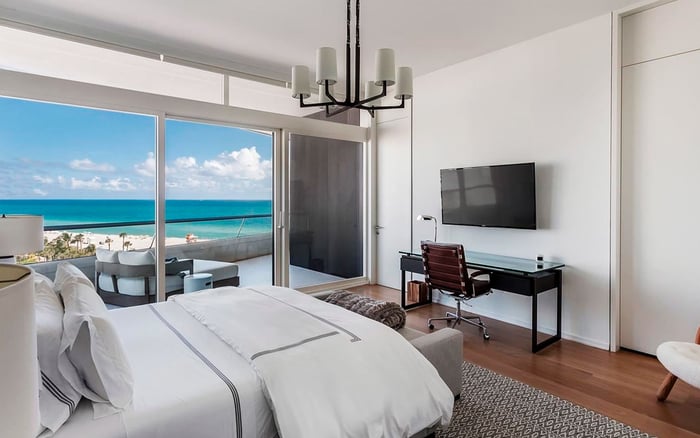
A Key Biscayne waterfront purchase calls for property-specific review of seawalls, docks, dredging, shoreline plans, insurance, and the responsibilities that may shape ownership beyond the asking price.

In Key Biscayne, waterfront due diligence should extend beyond the residence itself. The shoreline, seawall, dock configuration, insurance options, and plans for future work can all affect how a property may be used and maintained.
Buyers can treat the water’s edge as a separate component of the acquisition. That means gathering property-specific records, consulting qualified professionals, and testing assumptions before assigning value to waterfront features.
A seawall review can address elevation, visible condition, signs of movement or water intrusion, remaining serviceability, and the feasibility of future work. The scope should be tailored to the property and completed by appropriately qualified professionals.
Buyers should also confirm the shoreline classification and current requirements directly with the relevant authorities. Marketing descriptions, neighboring improvements, and prior work at another property should not substitute for a property-specific review.
Useful diligence materials may include surveys, engineering assessments, maintenance records, permits, plans, and documentation of completed repairs. Any proposed alteration should be evaluated against the rules and approvals in effect at the time of the work.
A dock, lift, or other waterfront feature shown in marketing should be compared with available plans, permits, and property records. Buyers should avoid assuming that water frontage alone establishes the right or practical ability to add, enlarge, replace, or reconfigure a structure.
The same caution applies to dredging. A buyer considering a particular vessel can investigate water depth, access, existing conditions, prior work, maintenance responsibility, and the approvals that a contemplated project may require.
Shoreline landscaping and design plans deserve similar scrutiny. Before committing to a concept, the buyer can ask the relevant professionals to identify structural constraints, reviewable work, and any property-specific limitations.
Insurance should be evaluated before the end of the buyer’s diligence period. Property-specific conversations with qualified insurance professionals can help identify available homeowners, wind, and flood options as well as deductibles, exclusions, limits, and documentation requirements.
The review may include available loss history, elevation information, inspections, and details about shoreline improvements. Financing plans should also be discussed with the buyer’s lender so that insurance expectations are understood before closing.
Rather than relying on a general estimate, buyers can compare written indications or quotes that reflect the specific residence and intended ownership structure. Coverage decisions should be made with qualified insurance and legal advisers.
Responsibility can differ between a single-family waterfront home and a residence within a managed building. A buyer comparing an estate with Oceana Key Biscayne can examine who controls, maintains, funds, and insures shoreline-related assets.
Other South Florida waterfront formats-including Una Residences Brickell, Vita at Grove Isle, and The Ritz-Carlton Residences® Miami Beach-can provide useful points of comparison. Each property still requires an independent review of its governing documents, insurance arrangements, reserves, permits, and allocation of waterfront responsibilities.
A practical shoreline file may include surveys, engineering reports, maintenance records, permits for seawalls and waterfront structures, documentation of prior work, insurance materials, and available loss information. Buyers can also document questions about water access, vessel compatibility, planned improvements, and responsibility for future maintenance.
The resulting analysis can be incorporated into the offer strategy, diligence timeline, and ownership budget. The objective is not to assign a universal premium or discount, but to understand the property’s particular waterfront obligations and flexibility.
Why review a seawall separately from the residence? A separate review helps the buyer evaluate the shoreline structure’s condition, documentation, maintenance needs, and suitability for future plans.
Which seawall documents should a buyer request? Relevant materials may include surveys, engineering assessments, permits, plans, repair records, and maintenance documentation available for the property.
Does an existing dock eliminate the need for diligence? No. The buyer should compare the existing feature with available permits, plans, property records, and current physical conditions.
What should a vessel owner investigate? The review can address water depth, access, existing dock configuration, vessel dimensions, prior waterfront work, and any required approvals.
Can dredging potential be assumed from neighboring properties? No. Dredging questions should be evaluated for the specific property, proposed work, existing conditions, and applicable review process.
When should insurance be reviewed? Insurance options should be investigated during the buyer’s diligence period and coordinated with any financing plans before closing.
Which insurance details deserve attention? Buyers can examine available coverage types, limits, deductibles, exclusions, documentation requirements, and property-specific indications or quotes.
How does managed waterfront ownership differ from owning an estate? The key distinction is how governing documents and ownership arrangements allocate control, maintenance, funding, and insurance responsibilities.
What belongs in a shoreline file? It may contain surveys, reports, permits, maintenance records, insurance materials, prior-work documentation, and written answers to property-specific questions.
How should waterfront obligations affect an offer? Buyers can incorporate identified maintenance, approval, insurance, and use considerations into their valuation, contract terms, and diligence strategy.
For a tailored shortlist and next-step guidance, connect with MILLION.
If branded residences are on your mind — as a home or as an allocation — we would be glad to share what we are seeing, privately.
Begin a quiet conversation