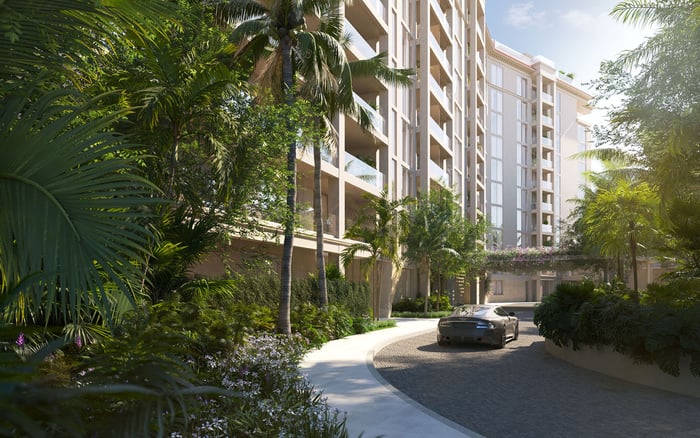
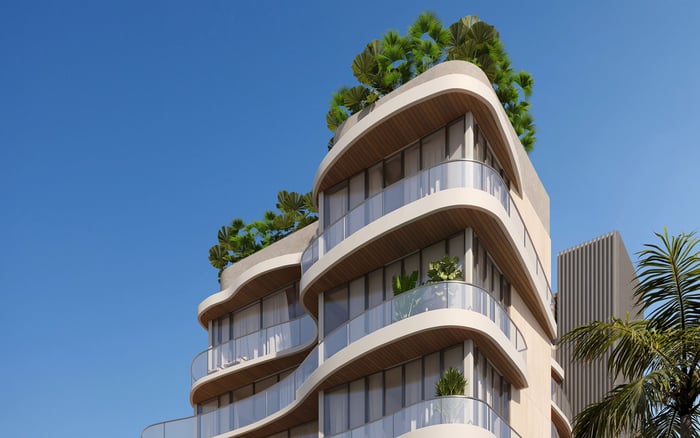
Fisher Island’s newest condominium generation may offer comparatively lower near-term structural exposure, but buyers should distinguish developer construction financing from an association’s reserves and operating health. Six Fisher Island Residences leads this three-property ranking based on its recency and documented $400 million construction loan, followed by Palazzo della Luna and Palazzo del Sol.
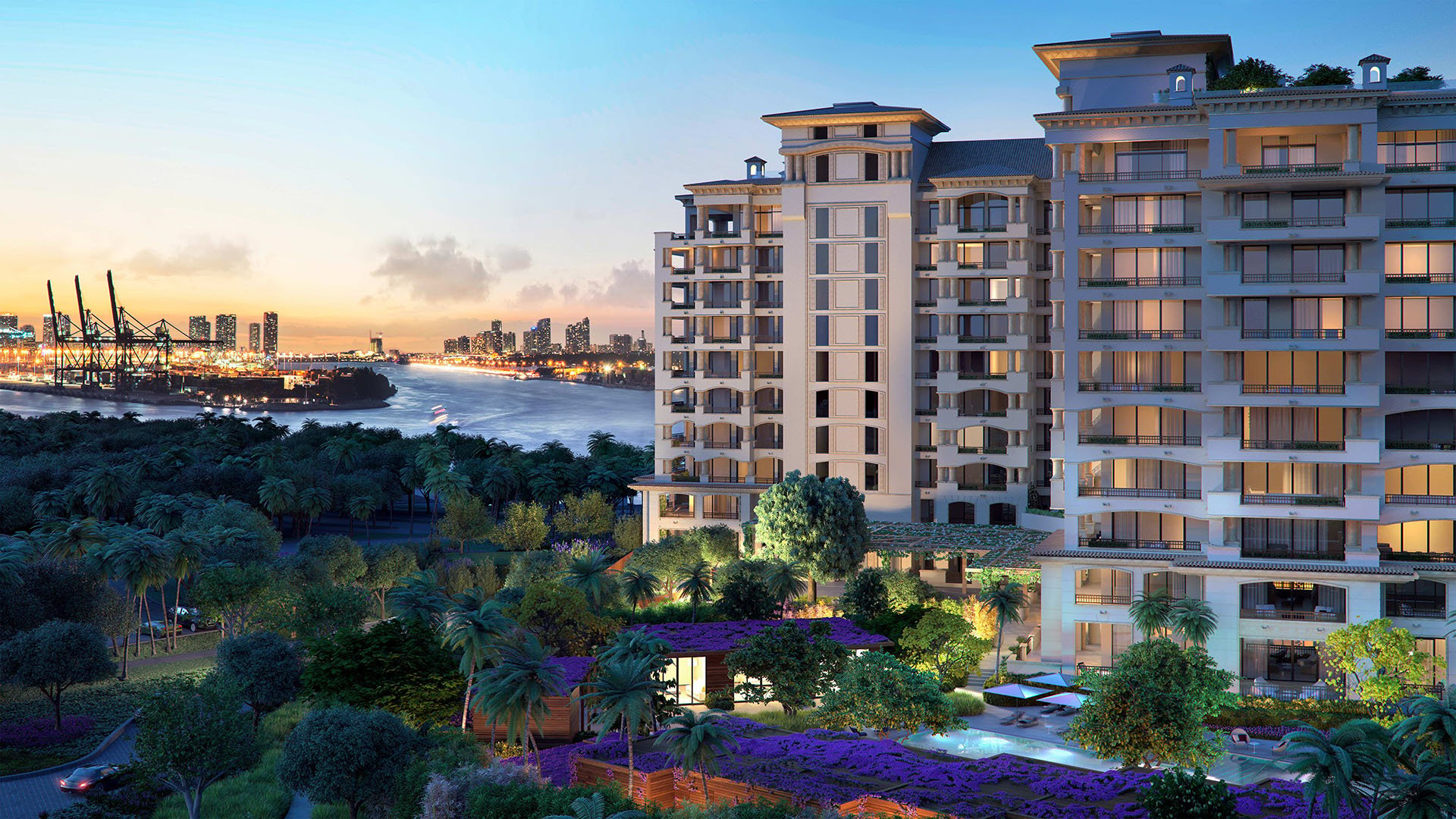
For buyers considering Fisher Island, the most important luxury may be financial visibility. Private waterfront living, limited access, and refined amenities shape the experience, but the durability of ownership also depends on how a building was capitalized and how its association plans for long-term obligations.
Newness can help. A recently completed or developing tower is generally farther from the age at which coastal buildings face their first milestone inspection. Documented construction financing can also signal meaningful project capitalization and lender scrutiny. Neither factor eliminates the possibility of a special assessment, however, nor establishes whether the condominium association has adequate reserves after turnover.
That distinction frames this ranking. It weighs building recency alongside publicly disclosed development financing while treating association reserves, insurance, and pending work as separate considerations. For buyers comparing new-construction, pre-construction, and resale opportunities, the objective is not immunity from future costs. It is a clearer view of relative exposure.
Construction financing can support confidence in delivery, but association reserves determine resilience after completion.
1. Six Fisher Island Residences: newest project
Six Fisher Island Residences ranks first as the island’s newest condominium project and its first new tower since Palazzo della Luna was completed in 2019. The 10-story development is being advanced by Related Group and BH Group, placing it at the forefront of Fisher Island’s current residential cycle.
Its most consequential funding signal is a $400 million construction loan provided by Madison Realty Capital in June 2024. That financing replaced an $85 million acquisition loan originated in 2022. The scale and progression of the capital stack support the project’s top position, while future buyers remain responsible for reviewing the eventual association budget, reserve schedule, and governing documents.
2. Palazzo della Luna: 6800 Fisher Island Drive
Completed in 2019, Palazzo della Luna is a 50-unit waterfront development at 6800 Fisher Island Drive. Its comparatively recent delivery places it well behind the age profile of Fisher Island’s older condominium inventory-an important consideration when evaluating the likely timing of major structural obligations.
The developer secured a $90 million construction loan in January 2018 for the planned 10-story building. Sales launched with asking prices ranging from approximately $6.5 million to $40 million. The financing history provides a credible development-era marker, but a present-day purchase still demands scrutiny of the association’s current finances and planned capital work.
3. Palazzo del Sol: established newer inventory
Palazzo del Sol ranks third as one of Fisher Island’s newer completed buildings, with a reported 2016 completion year. That date places its initial milestone-inspection deadline much farther into the future than those of substantially older island condominiums, although age alone cannot predict every repair or assessment.
During development, its construction mortgage increased from $45 million to $120 million through an additional $75 million from Tri-Star Capital Ventures. Its market history also includes a $21.5 million penthouse sale in 2016. Together, these details establish substantial financing and luxury-market context, while the association’s present reserves remain the decisive ownership consideration.
The appeal of The Residences at Six Fisher Island begins with its status as the island’s newest condominium project and its documented construction facility. For an investment decision, that combination can inform assessments of delivery risk and the age of major building systems. It cannot serve as a proxy for the reserves that will fund structural work after the association assumes its responsibilities.
At Palazzo della Luna, the 2019 completion and documented development loan create a useful bridge between brand-new construction and older island inventory. Its limited 50-residence scale and waterfront setting define the property, but buyers should center their financial review on the current association rather than the original capital stack.
Similarly, Palazzo del Sol combines a 2016 completion with evidence of substantial construction financing. Its longer operating history may provide more association records to examine, while also demanding close attention to maintenance, insurance, and reserve performance since delivery. The best choice is therefore not automatically the newest address. It is the building where physical age, documented funding, and present governance align most convincingly.
Florida condominiums of three or more stories are subject to structural-inspection and reserve-funding requirements designed to identify and fund major building work. Coastal condominium buildings generally face milestone inspections at 25 years, followed by inspections every 10 years. Qualifying associations must fully fund required structural reserves rather than waive them.
For owners, stronger reserve contributions can mean higher regular dues. The tradeoff is less need for future catch-up assessments tied to covered structural obligations. This framework makes newer construction appealing because the first milestone deadline may be more distant, but it does not eliminate exposure to insurance increases, operating shortfalls, amenity improvements, or unexpected repairs.
A credible funding plan should therefore be assessed on two levels. The first is development capitalization, including whether construction financing was secured at a scale consistent with the project. The second is association stewardship after completion, including whether reserves are funded according to an adopted schedule and known obligations are reflected in the budget.
Before entering a contract, request the latest reserve study, current reserve balance, and adopted funding schedule. Review recent budgets and board minutes for references to deferred maintenance, engineering recommendations, insurance changes, litigation, capital projects, and pending assessments. Read the association’s most recent financial statements alongside these records, not in isolation.
Insurance warrants a separate review. Confirm the scope of association coverage, deductibles, and any material change in premiums or coverage. Ask whether planned work is expected to be funded through reserves, regular assessments, or a separate owner charge. A comparatively young building can still face a discretionary amenity project or an unanticipated repair.
Finally, distinguish building-level obligations from Fisher Island-wide costs. Club, ferry, infrastructure, and community-association charges may follow different budgets and approval processes. A complete ownership model should identify each layer, its current charge, and any contemplated capital requirement before treating the total carrying cost as settled.
Among the three choices, Six Fisher Island Residences presents the strongest combination of recency and disclosed construction financing. Palazzo della Luna follows with its 2019 completion and $90 million development loan, while Palazzo del Sol offers a 2016 completion and a construction mortgage expanded to $120 million.
This hierarchy is best used as a starting point for due diligence, not a guarantee. Lower exposure means a comparatively favorable structural-age profile supported by credible development funding. The final judgment depends on the association’s reserves, insurance, maintenance history, board decisions, and known capital needs at the time of purchase.
For discreet guidance on Fisher Island opportunities and their financial context, connect with MILLION.
If branded residences are on your mind — as a home or as an allocation — we would be glad to share what we are seeing, privately.
Begin a quiet conversationSix Fisher Island Residences ranks first because it is the island’s newest project and has a documented $400 million construction loan.
No. Construction financing supports project delivery but does not prove that the eventual condominium association has adequate reserves.
Madison Realty Capital provided a $400 million construction loan in June 2024, replacing an $85 million acquisition loan from 2022.
Its 2019 completion and documented $90 million construction loan provide a favorable combination of recency and development capitalization.
Palazzo del Sol has a reported 2016 completion year and a construction mortgage that was increased from $45 million to $120 million.
Coastal condominium buildings generally face their first milestone inspection at 25 years, followed by inspections every 10 years.
Yes. Insurance changes, amenity projects, operating shortfalls and unexpected repairs can still produce owner costs.
Review the latest reserve study, reserve balance, funding schedule, budgets, board minutes, insurance, litigation and pending assessments.
No. Full reserve funding can increase regular dues, although it may reduce reliance on future catch-up assessments for covered structural work.
Yes. Club, ferry, infrastructure and community-association obligations should be distinguished from the condominium building’s own budget and reserves.